RedKalion
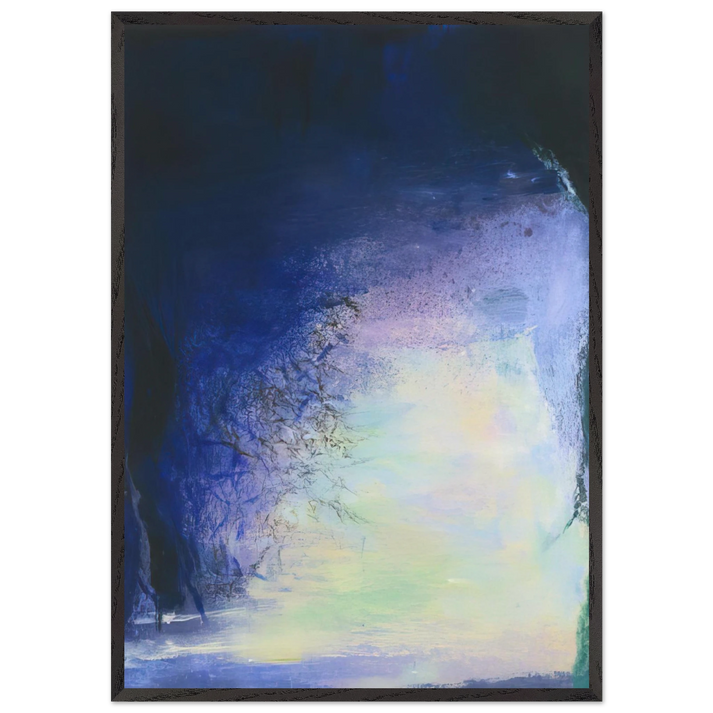
AFTER THE ECLIPSE 11 AUGUST 99 1999 - Zao Wou-Ki 70x100 cm / 28x40 inches Framed Art Print – Black Wooden Frame
AFTER THE ECLIPSE 11 AUGUST 99 1999 - Zao Wou-Ki 70x100 cm / 28x40 inches Framed Art Print – Black Wooden Frame
Couldn't load pickup availability
Immortalizing the Cosmic: After the Eclipse (11 August 99) by Zao Wou-Ki
Experience the profound energy of the cosmos with this museum-quality reproduction of Zao Wou-Ki’s 1999 masterpiece, After the Eclipse 11 August 99. As a central figure in Lyrical Abstraction, Zao Wou-Ki bridges the gap between traditional Chinese ink aesthetics and Western modernism. This specific work captures the ethereal, almost violent transition of light following the historic solar eclipse at the turn of the millennium, rendering the celestial event into a landscape of the soul.
The Artistry of Zao Wou-Ki
Zao Wou-Ki’s late-period works are celebrated for their monumental scale and atmospheric depth. By 1999, his technique had evolved into a sophisticated dance of translucent layers and rhythmic brushwork. In After the Eclipse, he utilizes a palette of deep ombres and sudden luminosity to evoke the feeling of a world being reborn. RedKalion is proud to offer this fine art print, meticulously color-matched to preserve the subtle shifts in tone and gesture that define the artist's legacy.
Museum-Grade Physical Specifications
Our commitment to archival excellence ensures that your Zao Wou-Ki framed art print remains a centerpiece for generations. Each piece is printed on 250 gsm (110 lb) archival museum-quality paper, featuring a natural white, matte, and uncoated finish that eliminates glare while highlighting the intricate textures of the original brushstrokes.
- Sustainable Framing: The artwork is housed in a 20mm (0.79") thick frame crafted from responsibly sourced black oak and ash wood, providing a robust, premium profile compared to standard gallery frames.
- Archival Protection: Shatterproof, transparent plexiglass protects the delicate surface while maintaining crystal-clear visibility.
- Ready to Hang: Every print arrives with a pre-installed hanging kit, allowing you to elevate your space immediately upon delivery.
- Eco-Conscious Materials: We utilize FSC-certified or equivalent sustainable materials, ensuring that your acquisition supports responsible forestry.

Discover Unlimited Art Possibilities
At RedKalion, you can find virtually any artwork from any artist, available in a wide range of sizes to perfectly match your space.
If you didn’t find what you’re looking for, contact us at support@redkalion.com . We will source any artwork and produce it in any size and format you need, including art prints, posters, canvas, framed pieces, framed canvas, and more.
For dedicated art enthusiasts, we also offer handcrafted replicas of any artwork, carefully painted by highly skilled artists using traditional techniques.
For custom requests, contact us at support@redkalion.com .
What makes the paper quality suitable for fine art?
We use 250 gsm (110 lb) archival museum-quality paper. Its 0.29 mm thickness and natural white, matte finish ensure long-lasting durability and color fidelity without the glare of coated papers.
How is the Zao Wou-Ki print framed and protected?
The print is mounted in a 20mm black frame of oak or ash wood. It is protected by shatterproof plexiglass, ensuring both safety and archival longevity in any environment.
Does the framed art print arrive ready to display?
Yes, each framed art print includes a professional hanging kit. It is designed to be ready to hang directly on your wall the moment it is unboxed.
How does RedKalion ensure the sustainability of its products?
We prioritize the environment by using FSC-certified wood for our frames and paper, ensuring that all materials are sourced from responsibly managed forests.
Will the colors fade over time?
No, we use archival-grade inks and uncoated paper that resist yellowing and fading, providing a museum-quality reproduction that maintains its vibrancy for decades.
What is the significance of the 11 August 1999 date in this artwork?
This piece commemorates the total solar eclipse of August 11, 1999. Zao Wou-Ki used the event to explore themes of light emerging from darkness and the cosmic void.
What is Lyrical Abstraction in the context of Zao Wou-Ki’s work?
Lyrical Abstraction refers to Zao Wou-Ki’s unique style that synthesizes traditional Chinese calligraphy and landscape painting with the expressive, gestural freedom of European abstract modernism.