

RedKalion
After the thunderstorm - Arkhyp Kuindzhi Brushed Aluminum Print - 70x100 cm / 28x40 inches | Arkhyp Kuindzhi Aluminum Print | Arkhyp Kuindzhi Prints
After the thunderstorm - Arkhyp Kuindzhi Brushed Aluminum Print - 70x100 cm / 28x40 inches | Arkhyp Kuindzhi Aluminum Print | Arkhyp Kuindzhi Prints
Couldn't load pickup availability
After the Thunderstorm by Arkhyp Kuindzhi: A Symphony of Light and Atmosphere
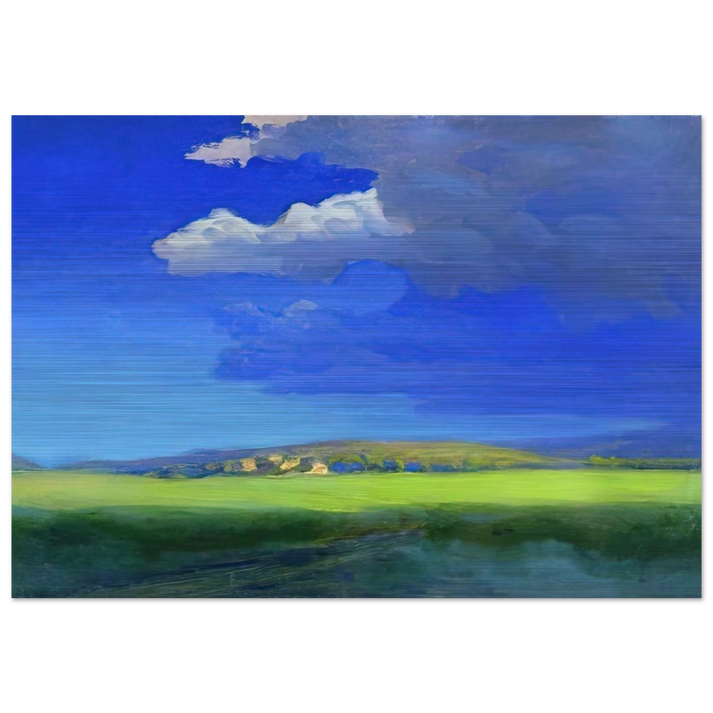
Immerse your interior in the dramatic, post-storm clarity of Arkhyp Kuindzhi's 1879 masterpiece, After the Thunderstorm. This museum-quality reproduction captures the essence of the Russian landscape school, where Kuindzhi—often hailed as the 'wizard of light'—manipulated color and contrast to create almost supernatural luminescent effects. The original painting is celebrated for its vivid greens and the heavy, retreating charcoal clouds that define the tension between nature's fury and its subsequent peace.
At RedKalion, we elevate this historical work through our premium Brushed Silver Aluminum DIBOND® medium. This 3mm (0.12") thick, rigid base features a sophisticated horizontal grain that interacts dynamically with ambient light. The direct printing process ensures that the intense pigments of Kuindzhi's palette remain matte and glare-free, while unprinted white areas are allowed to shine through as raw, metallic silver. This unique material choice mirrors the artist’s own fascination with innovative pigments and the physical properties of light.
- Exquisite Material: High-grade Brushed Silver Aluminum DIBOND® for a modern, industrial-chic aesthetic.
- Metallic Finish: A distinct horizontal grain that adds depth and movement to the stormy sky.
- Archival Durability: A 3mm rigid base designed to resist warping and environmental stressors.
- Ready to Exhibit: Each piece includes a professional hanging kit tailored to your region.
By choosing this Arkhyp Kuindzhi aluminum print, you are not merely purchasing a reproduction; you are acquiring a curated piece of art history reimagined for the contemporary collector. Elevate your space with an archival masterpiece that endures through generations.


Discover Unlimited Art Possibilities
At RedKalion, you can find virtually any artwork from any artist, available in a wide range of sizes to perfectly match your space.
If you didn’t find what you’re looking for, contact us at support@redkalion.com . We will source any artwork and produce it in any size and format you need, including art prints, posters, canvas, framed pieces, framed canvas, and more.
For dedicated art enthusiasts, we also offer handcrafted replicas of any artwork, carefully painted by highly skilled artists using traditional techniques.
For custom requests, contact us at support@redkalion.com .
What makes this Arkhyp Kuindzhi reproduction unique?
Our reproduction uses brushed aluminum DIBOND®, which interacts with light to enhance Kuindzhi’s legendary luminosity, providing a depth and metallic sheen that traditional paper prints cannot replicate.
What are the specifications of the Brushed Aluminum DIBOND® material?
The print is composed of a 3mm (0.12") thick aluminum composite. It features a brushed silver finish with a horizontal grain, offering a durable, rigid, and sophisticated base for fine art.
How does the metallic silver effect impact the visual appearance of the print?
In areas where the design contains white or highlights, the ink is omitted, allowing the raw, brushed metallic surface to show through, creating a striking, modern shimmer.
Is the hanging hardware included with my RedKalion fine art print?
Yes, every RedKalion museum-quality print comes with a specialized hanging kit included. The specific hardware varies by country to ensure the safest and most efficient installation.
What is the expected archival longevity of this museum-quality reproduction?
Designed for longevity, the AluDibond material and UV-resistant direct printing ensure the colors remain vivid and the substrate remains stable for decades in climate-controlled indoor environments.
What period of Arkhyp Kuindzhi’s career does "After the Thunderstorm" represent?
Painted in 1879, this work represents Kuindzhi's peak period with the Peredvizhniki (Wanderers), showcasing his transition toward a more philosophical, luminist approach to the Russian landscape.
Why is Kuindzhi often referred to as a "Luminist" artist?
Kuindzhi is called a Luminist because of his obsession with light effects, often using hidden lamps in galleries to make his high-contrast paintings appear to glow from within.