RedKalion
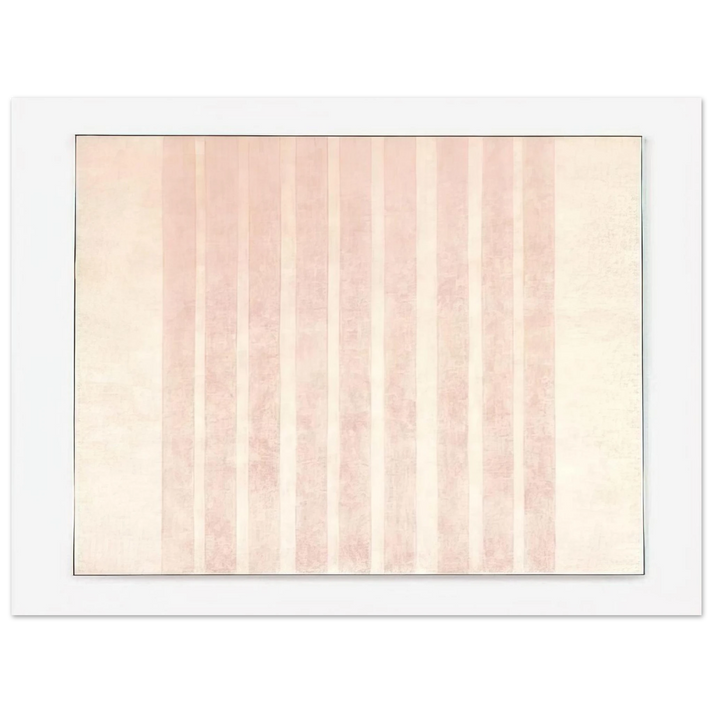
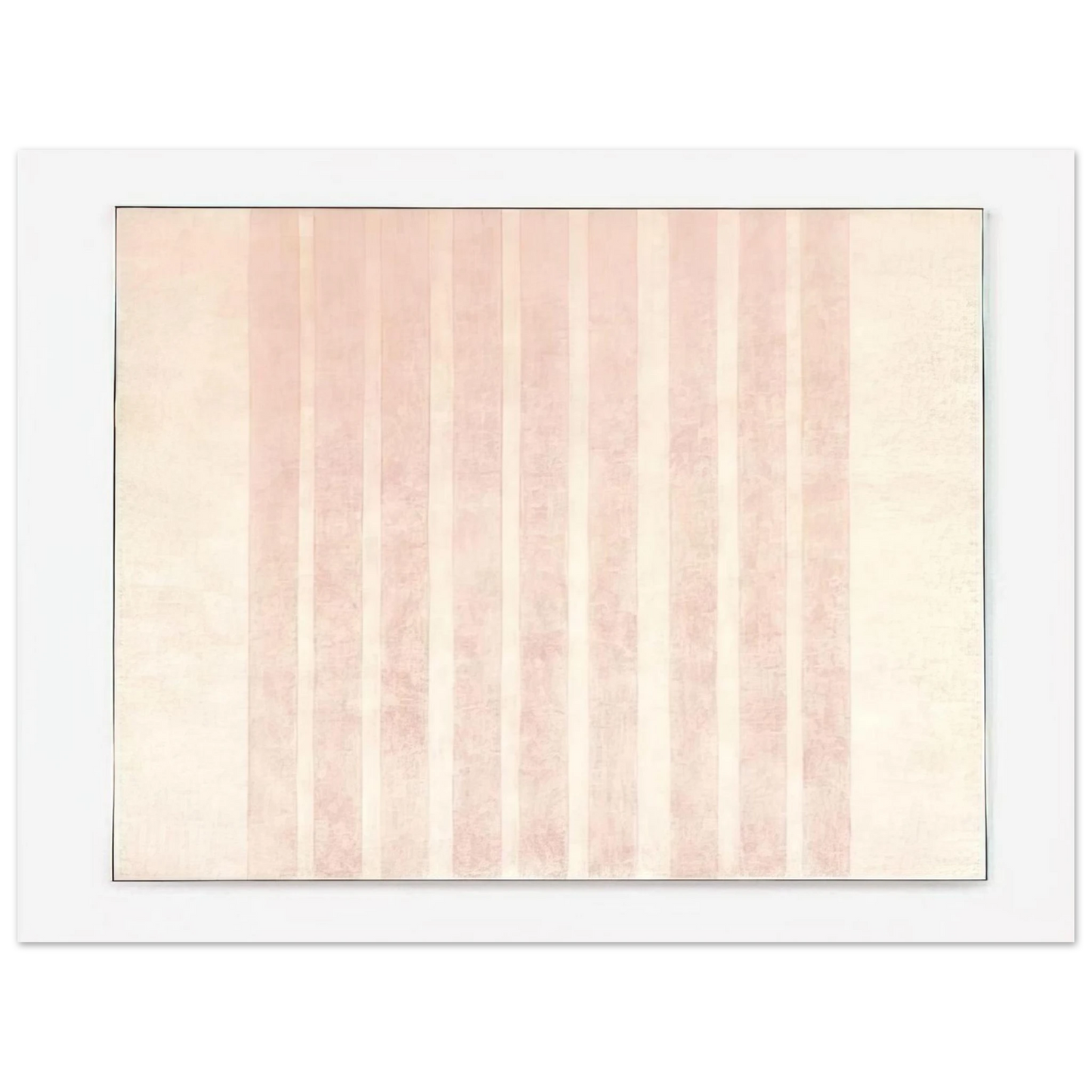
Agnes Martin - Untitled #13 75x100 cm / 30x40inches Fine Art Poster
Agnes Martin - Untitled #13 75x100 cm / 30x40inches Fine Art Poster
Couldn't load pickup availability
The Serenity of Agnes Martin’s Untitled #13
As a cornerstone of twentieth-century minimalism, Agnes Martin’s Untitled #13 serves as a profound meditation on rhythm, space, and the sublime. Moving beyond the constraints of traditional representation, Martin utilized a vocabulary of subtle horizontal bands and delicate lines to evoke an emotional landscape of tranquility and innocence. This fine art print captures the ethereal essence of the original, inviting a sense of quietude and focus into any contemporary environment.
At RedKalion, we honor Martin's meticulous vision by offering this museum-quality reproduction on our exclusive Master's Edition archival paper. The artwork's soft, atmospheric quality is perfectly complemented by a matte, uncoated natural white finish, providing a luxurious texture that avoids the glare of standard commercial posters. This 75x100 cm (30x40 inches) edition is designed for those who appreciate the intersection of high art and archival permanence.
Authentic Material Excellence
To ensure your acquisition remains a centerpiece for generations, we utilize materials that meet the highest gallery standards. Our archival-grade paper is acid-free with a pH value above 7, specifically engineered to prevent yellowing or degradation over time. With a substantial weight of 250 gsm (110 lb) and a thickness of 0.29 mm, the print possesses a tactile weightiness that reflects its premium curation.
- Artist: Agnes Martin (1912–2004)
- Paper Type: Master's Edition archival paper
- Sustainability: FSC-certified paper for environmental responsibility
- Texture: Refined matte, off-white for authentic color depth
- Longevity: Acid-free to preserve tonal integrity for decades
Discover Unlimited Art Possibilities
At RedKalion, you can find virtually any artwork from any artist, available in a wide range of sizes to perfectly match your space.
If you didn’t find what you’re looking for, contact us at support@redkalion.com . We will source any artwork and produce it in any size and format you need, including art prints, posters, canvas, framed pieces, framed canvas, and more.
For dedicated art enthusiasts, we also offer handcrafted replicas of any artwork, carefully painted by highly skilled artists using traditional techniques.
For custom requests, contact us at support@redkalion.com .
What makes the paper quality for Untitled #13 unique?
We use Master's Edition archival paper, which is museum-quality and features a natural white, uncoated finish. At 250 gsm (110 lb), it provides a luxurious weight and texture that distinguishes it from standard fine art prints.
How long will this fine art print last without fading?
The print is produced on acid-free paper with a pH above 7. This archival standard prevents yellowing and ensures the subtle tones of Agnes Martin’s work remain vibrant and true for generations.
Is the paper used for this Agnes Martin reproduction sustainable?
Yes. RedKalion is committed to ethical curation. All prints are produced on FSC-certified paper, ensuring that the materials are sourced from responsibly managed forests that provide environmental and social benefits.
How is my order fulfilled and shipped?
Our prints are fulfilled on demand with no minimum order requirements. Each piece is meticulously printed and shipped in protective packaging to ensure it arrives in pristine, gallery-ready condition.
What are the exact dimensions and thickness of this print?
This edition measures 75x100 cm (30x40 inches). The paper has a thickness of 0.29 mm (11.4 mils), providing the structural integrity required for high-end custom framing.
What is the historical significance of Agnes Martin’s Untitled #13?
Untitled #13 represents Martin's shift toward the horizontal bands that defined her later career. Her work bridges Abstract Expressionism and Minimalism, focusing on the spiritual perfection of the grid and the line.
What technique did Agnes Martin use for the original artwork?
Martin was known for her disciplined, hand-drawn lines. She often applied thin washes of acrylic or gesso, creating a shimmering, atmospheric effect that suggests a landscape of the mind rather than a physical place.