

RedKalion
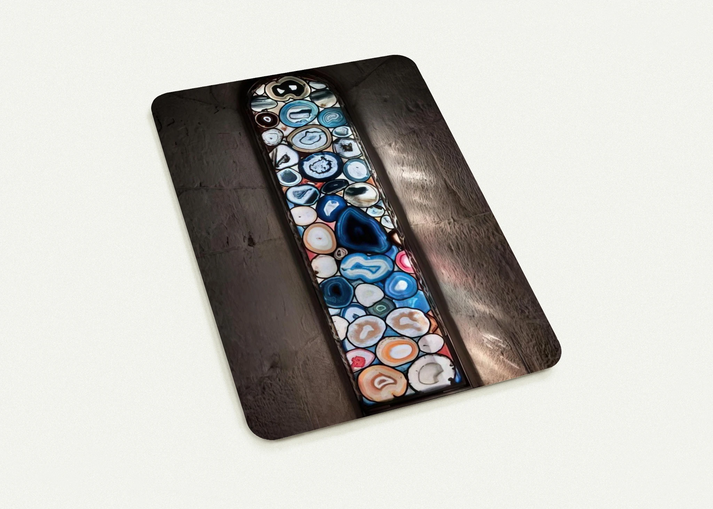
AHATFENSTER 2009 By Sigmar Polke Pack of 10 Post Cards | Sigmar Polke Post Cards | A6 (10.5 x 14.8 cm) - 4.1 x 5.8 inches
AHATFENSTER 2009 By Sigmar Polke Pack of 10 Post Cards | Sigmar Polke Post Cards | A6 (10.5 x 14.8 cm) - 4.1 x 5.8 inches
Couldn't load pickup availability
A Masterpiece of Light and Alchemy: AHATFENSTER 2009 by Sigmar Polke
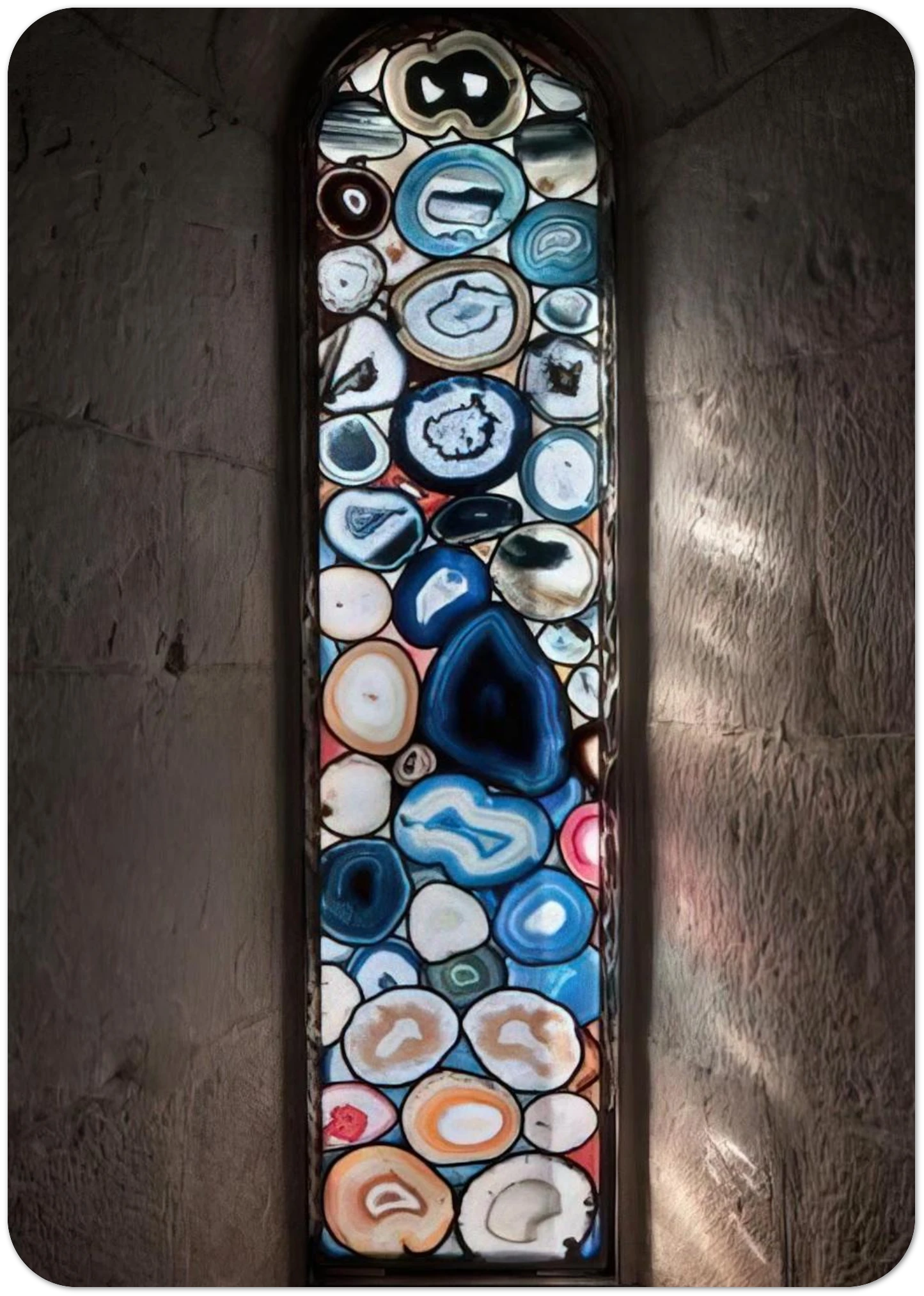
Elevate your personal correspondence with this exquisite pack of 10 fine art postcards featuring AHATFENSTER 2009, one of the final and most profound works by the legendary German artist Sigmar Polke. Originally commissioned for the Grossmünster in Zurich, these 'Agate Windows' represent a transcendent intersection of geology, spirituality, and contemporary art. Each card captures the rhythmic, crystalline beauty of Polke’s vision, where thin slices of agate were transformed into luminous stained glass.
At RedKalion, we honor Polke’s experimental legacy by utilizing 12-color fine art printing technology. Unlike standard 4-color processes, our method ensures that the complex tonal shifts and deep, earthen hues of the original agate are reproduced with museum-quality precision and stunning depth. Each postcard is a testament to archival excellence, designed to be as enduring as the stone that inspired the original work.
Premium Specifications for the Discerning Collector
- Color Vibrancy: Advanced 12-color inkjet technology for vivid, historically accurate color reproduction.
- Sophisticated Finish: A smooth matte finish that eliminates glare, allowing the intricate textures of the artwork to shine.
- Substantial Weight: Printed on 200 gsm (80 lb) paper with a thickness of 0.26 mm (10.3 mils) for a premium, tactile feel.
- Sustainability: Each card is crafted using FSC-certified paper, aligning artistic beauty with environmental responsibility.
- Format: Pack of 10 flat postcards in A6 size (10.5 x 14.8 cm), perfect for framing or high-end correspondence.
By choosing RedKalion, you are acquiring more than a reproduction; you are securing an archival-grade artifact. Our print-on-demand process ensures that each set meets our rigorous standards for quality and craftsmanship, offering you a piece of art history that resonates with sophistication and intellectual depth.


Discover Unlimited Art Possibilities
At RedKalion, you can find virtually any artwork from any artist, available in a wide range of sizes to perfectly match your space.
If you didn’t find what you’re looking for, contact us at support@redkalion.com . We will source any artwork and produce it in any size and format you need, including art prints, posters, canvas, framed pieces, framed canvas, and more.
For dedicated art enthusiasts, we also offer handcrafted replicas of any artwork, carefully painted by highly skilled artists using traditional techniques.
For custom requests, contact us at support@redkalion.com .
What makes the AHATFENSTER 2009 postcards unique?
These postcards utilize 12-color fine art printing to capture the intricate detail and translucency of Sigmar Polke's agate window designs, offering far superior color depth compared to standard commercial prints.
What is the paper quality and finish?
We use a premium 200 gsm (80 lb) paper with a smooth matte finish. This provides a glare-free, sophisticated surface that highlights the artwork's details while feeling substantial to the touch.
Are these postcards environmentally friendly?
Yes. All our Sigmar Polke postcards are printed on FSC-certified paper, ensuring the materials are sourced from responsibly managed forests that provide environmental, social, and economic benefits.
How does RedKalion ensure color accuracy?
By employing 12-color inkjet technology, we achieve a wider color gamut and smoother gradients, which is essential for replicating the complex geological patterns found in Polke's AHATFENSTER series.
What are the dimensions of these Sigmar Polke postcards?
Each card in this 10-pack is A6 size, measuring 10.5 x 14.8 cm (approximately 4.1 x 5.8 inches), making them ideal for both mailing and standard framing.
What is the significance of the AHATFENSTER series?
Created for Zurich's Grossmünster, this series represents Polke’s fascination with alchemy and nature. The agate slices symbolize the 'light of the world' and are considered a pinnacle of his late-career output.
Why did Polke use agate in his original design?
Polke used agate to connect the earthly and the divine. The stone’s natural patterns created a self-generating image, a concept central to his career-long exploration of how materials dictate meaning.