

RedKalion
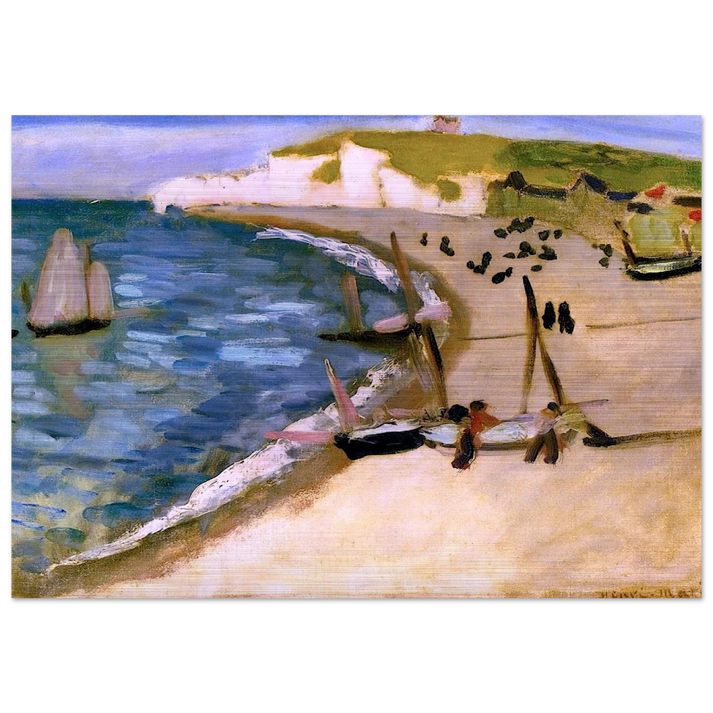
AHT AMONT CLIFFS AT ETRETAT 1921 - Henri Matisse Brushed Aluminum Print - 70x100 cm / 28x40 inches | Henri Matisse Aluminum Print | Henri Matisse Prints
AHT AMONT CLIFFS AT ETRETAT 1921 - Henri Matisse Brushed Aluminum Print - 70x100 cm / 28x40 inches | Henri Matisse Aluminum Print | Henri Matisse Prints
Couldn't load pickup availability
Matisse’s Coastal Vision: Amont Cliffs at Etretat 1921
Experience the atmospheric brilliance of Normandy through the eyes of a master. Amont Cliffs at Etretat 1921 captures Henri Matisse at a pivotal moment in his career, blending his signature fluid lines with the rugged, rhythmic architecture of the French coastline. This piece, originally painted during Matisse's excursions to the seaside, reflects a sophisticated mastery of light and form that defined his post-Fauvist maturity.
A Contemporary Presentation of a Modern Masterpiece
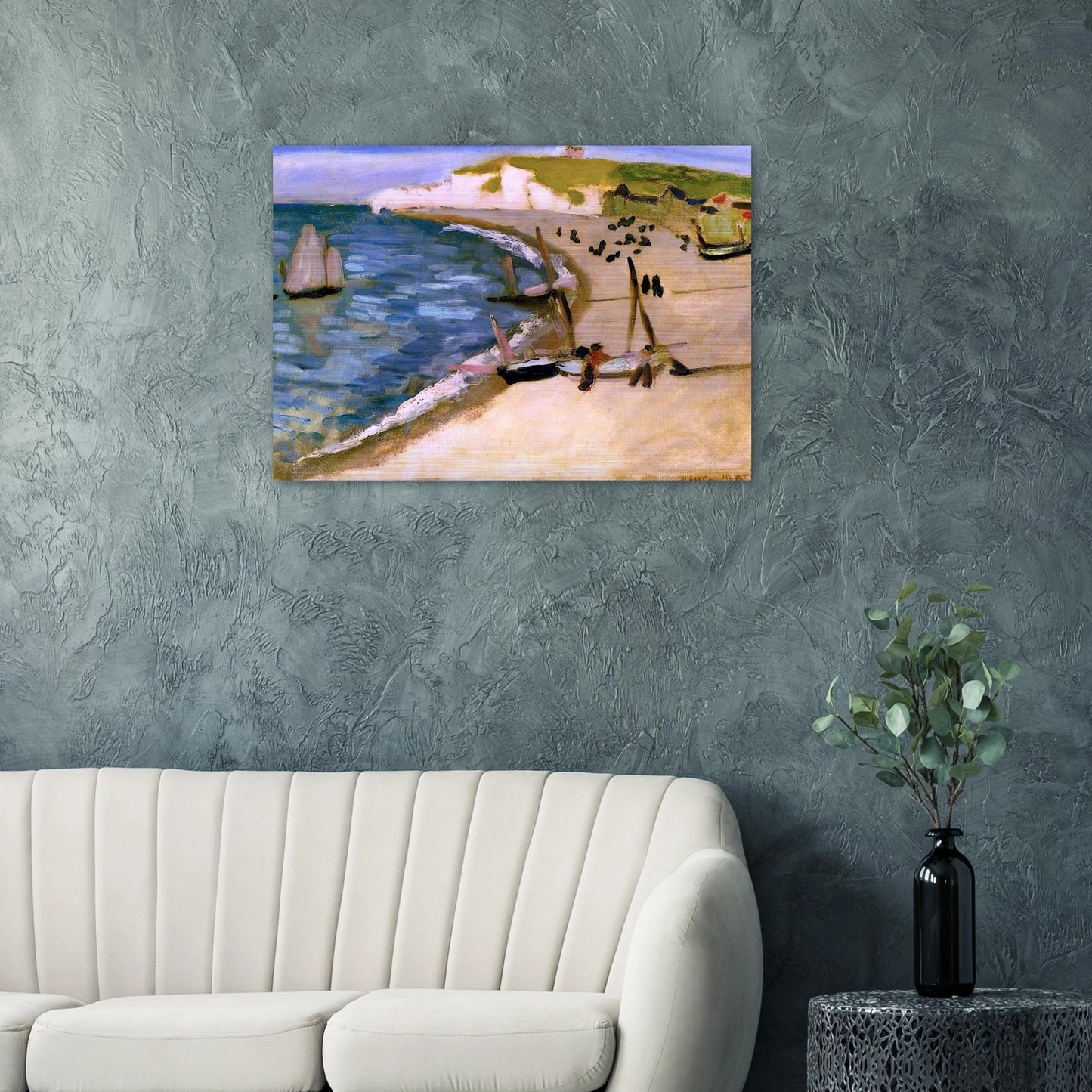
At RedKalion, we elevate this historical work by utilizing a medium that honors its luminosity: Brushed silver Aluminum DIBOND®. This museum-quality reproduction features a 3mm (0.12") rigid base with a unique horizontal grain. The metallic finish allows the composition to breathe, as unprinted white areas reveal a striking silver effect that mimics the shimmering reflection of the Atlantic tides against the chalky cliffs.
Premium Specifications for the Discerning Collector
- Luminous Texture: The brushed silver finish provides a dynamic, metallic look that changes with your room's lighting.
- Direct Print Technology: High-resolution inks are applied directly to the AluDibond, ensuring vivid colors and a sophisticated matte, glare-free finish.
- Durability: The 3mm thickness ensures a durable, warp-resistant structure designed for archival longevity.
- Ready to Exhibit: Each print includes a specialized hanging kit tailored to your region, allowing for an effortless installation that appears to float on your wall.
By choosing a Henri Matisse Aluminum Print from RedKalion, you are investing in an archival-grade piece of art history. Our commitment to precision and material excellence ensures that this iconic view of Étretat remains a centerpiece of your collection for generations.


Discover Unlimited Art Possibilities
At RedKalion, you can find virtually any artwork from any artist, available in a wide range of sizes to perfectly match your space.
If you didn’t find what you’re looking for, contact us at support@redkalion.com . We will source any artwork and produce it in any size and format you need, including art prints, posters, canvas, framed pieces, framed canvas, and more.
For dedicated art enthusiasts, we also offer handcrafted replicas of any artwork, carefully painted by highly skilled artists using traditional techniques.
For custom requests, contact us at support@redkalion.com .
What material is used for the Amont Cliffs at Etretat 1921 print?
This Henri Matisse reproduction is crafted on 3mm (0.12") brushed silver Aluminum DIBOND®. This rigid, durable base features a horizontal grain and a metallic finish that enhances the artwork’s natural luminosity and modern aesthetic.
How does the brushed silver finish affect the image quality?
The brushed surface creates a dynamic metallic effect. White and very light areas of Matisse’s composition are not printed with ink, allowing the raw silver aluminum to shine through, providing a unique depth and shimmering texture.
Is the hanging hardware included with my Matisse print?
Yes, every RedKalion aluminum print comes with a specialized hanging kit included. The specific type of kit varies depending on the fulfillment country to ensure the most secure and aesthetic installation for your local environment.
How are RedKalion prints shipped to ensure safety?
We use high-standard protective packaging designed specifically for large-format fine art. Your Henri Matisse aluminum print is securely boxed to prevent bending or surface scratches, ensuring it arrives in gallery-perfect condition.
How long will this archival-grade aluminum print last?
Designed for longevity, our direct-print process on AluDibond uses UV-resistant inks. This ensures the colors remain vivid and the material remains stable for decades, providing a true museum-quality display that resists fading and environmental degradation.
Why did Henri Matisse choose Étretat as a subject in 1921?
In 1921, Matisse sought to capture the specific northern light of Normandy. Following in the footsteps of Monet and Courbet, he focused on the iconic cliffs to explore the relationship between structured rock formations and fluid sea movement.
What artistic style defines Amont Cliffs at Etretat?
This work represents Matisse’s transition toward a more naturalistic yet rhythmic style. While moving away from the wild colors of Fauvism, he maintained a focus on simplified forms and atmospheric perspective, creating a serene, balanced composition.