

RedKalion
Aircraft Plant - 1945 - Ralston Crawford Acrylic Print - 70x100 cm / 28x40″ inches
Aircraft Plant - 1945 - Ralston Crawford Acrylic Print - 70x100 cm / 28x40″ inches
Couldn't load pickup availability
Elevate Your Space with Ralston Crawford’s Industrial Masterpiece
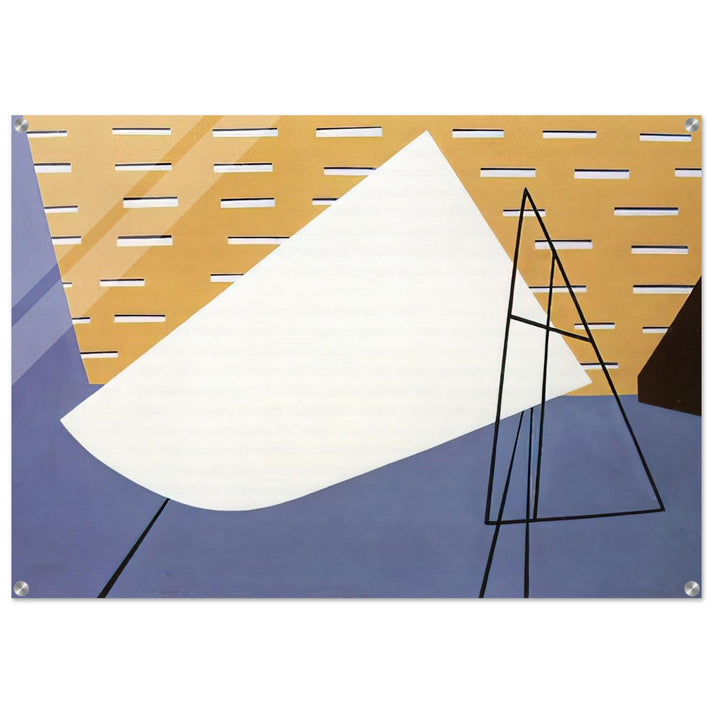
Experience the intersection of wartime precision and modern abstraction with this museum-quality reproduction of Ralston Crawford’s Aircraft Plant (1945). As a cornerstone of the Precisionist movement, Crawford’s work distilled the complex industrial landscape of mid-century America into a series of sharp, rhythmic geometric forms. This specific piece, captured at the height of his stylistic evolution, represents the architectural power and mechanical energy of the era.
Museum-Grade Acrylic Craftsmanship
RedKalion brings this historical vision to life using high-end 4mm (0.15") acrylic. This choice of medium is particularly suited to Crawford’s aesthetic; the sleek, polished surface enhances the flat planes of color and the rigid, structural lines of the composition, providing a depth and vibrancy that traditional paper prints cannot achieve. The 70x100 cm (28x40″) format allows the intricate spatial relationships of the aircraft plant to command attention in any modern interior.
Sophisticated Design and Installation
Designed for the discerning collector, this fine art print features straight-cut corners for a clean, contemporary profile. Each piece is meticulously prepared to ensure the boldest color representation. To ensure your masterpiece is gallery-ready upon arrival, we include a premium hanging kit featuring:
- Precision Hardware: Four pre-drilled holes (14mm from edges).
- Industrial Screws: High-grade 15mm screw heads for a secure, floating effect.
- Durability: Archival-grade materials designed to resist the passage of time.
By choosing a RedKalion reproduction, you are not simply purchasing a print; you are investing in a piece of art history, rendered with the technical excellence that Ralston Crawford’s legacy demands.


Discover Unlimited Art Possibilities
At RedKalion, you can find virtually any artwork from any artist, available in a wide range of sizes to perfectly match your space.
If you didn’t find what you’re looking for, contact us at support@redkalion.com . We will source any artwork and produce it in any size and format you need, including art prints, posters, canvas, framed pieces, framed canvas, and more.
For dedicated art enthusiasts, we also offer handcrafted replicas of any artwork, carefully painted by highly skilled artists using traditional techniques.
For custom requests, contact us at support@redkalion.com .
What materials are used for the Ralston Crawford Aircraft Plant print?
This print is crafted from 4mm (0.15") high-grade acrylic, offering a vibrant, sleek finish that enhances the Precisionist geometric lines of Crawford's 1945 work.
How is the acrylic print mounted and displayed?
The print includes a specialized hanging kit with screws and pre-drilled holes at each corner (8mm diameter), ensuring a modern, professional installation.
What makes this fine art reproduction museum-quality?
RedKalion uses archival inks and professional-grade acrylic to ensure color accuracy and structural integrity, meeting the standards of high-end galleries and private collectors.
How is the artwork protected during shipping?
Each 70x100 cm acrylic print is securely packaged with protective layers and heavy-duty casing to prevent scratches or breakage during international transit.
Will the colors of this Ralston Crawford print fade over time?
No, our museum-quality acrylic prints are designed for longevity, using UV-resistant printing technology that protects the vibrancy of the industrial color palette for decades.
What was Ralston Crawford’s inspiration for Aircraft Plant?
Crawford was fascinated by industrial architecture. In 1945, he focused on the geometric purity of machinery and factories, stripping away unnecessary detail to find the essential form.
How does the 1945 context influence this specific composition?
Created at the end of WWII, this piece reflects the era's focus on technological production and the shift from representational art toward the hard-edged abstraction that defined mid-century modernism.