RedKalion
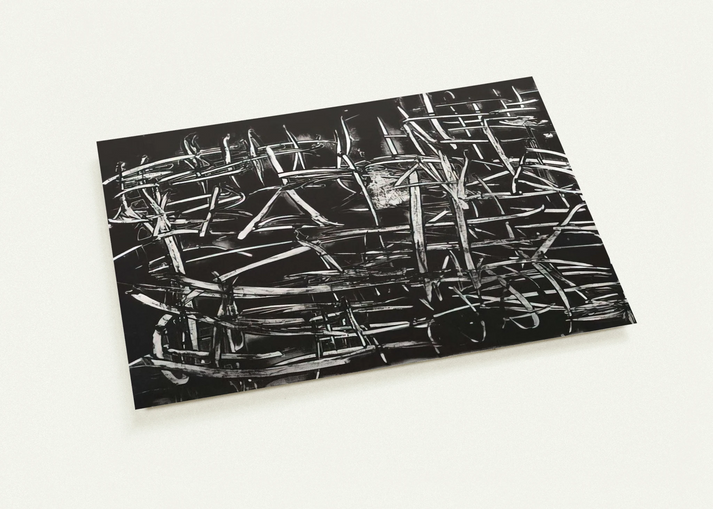
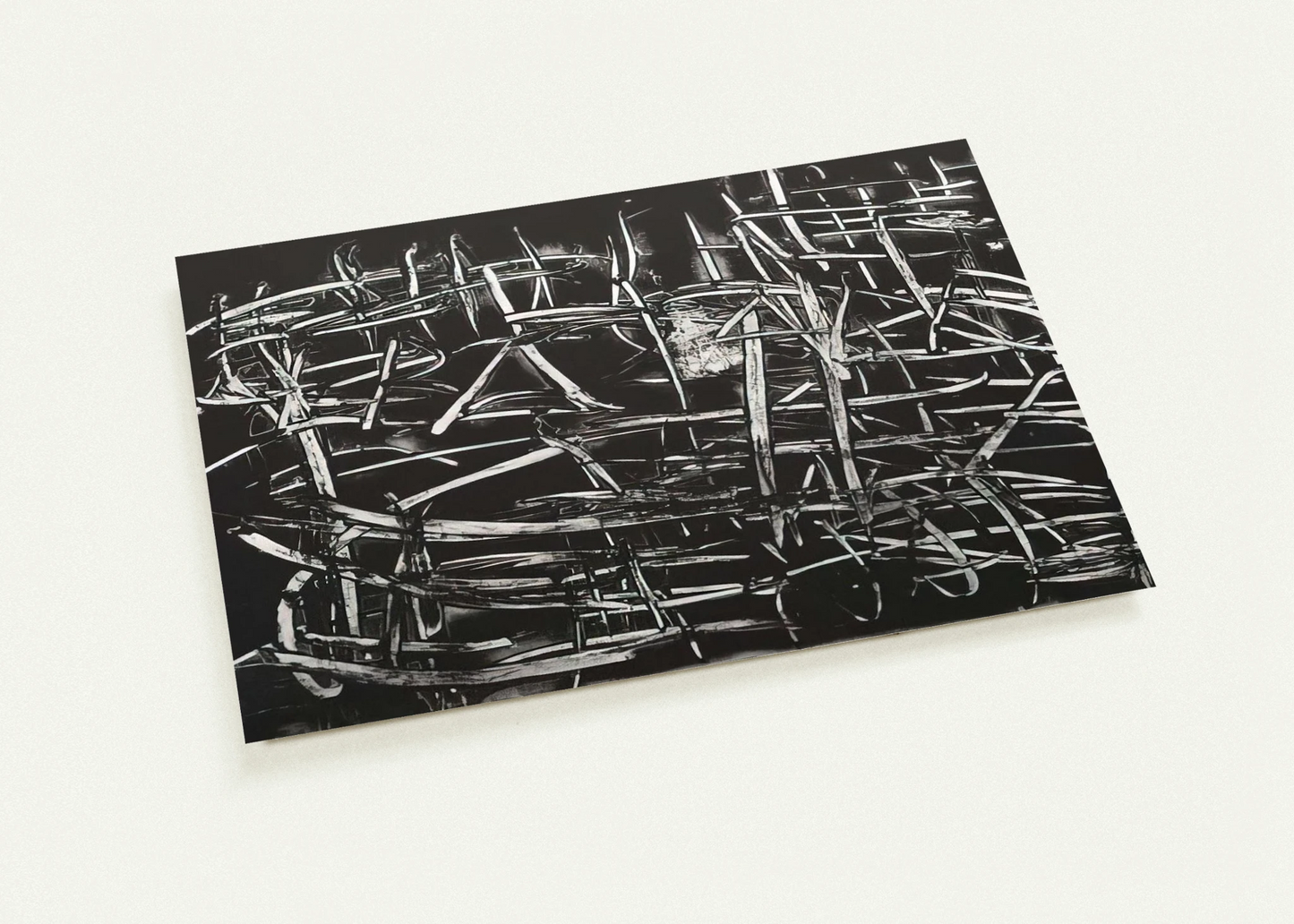
Alba - 1997 By Gunther Forg Pack of 10 Post Cards | Gunther Forg Post Cards | A6 (10.5 x 14.8 cm) - 4.1 x 5.8 inches
Alba - 1997 By Gunther Forg Pack of 10 Post Cards | Gunther Forg Post Cards | A6 (10.5 x 14.8 cm) - 4.1 x 5.8 inches
Couldn't load pickup availability
Elevate Your Correspondence with Günther Förg’s Alba - 1997
Experience the profound simplicity and structural elegance of German contemporary master Günther Förg with this exclusive pack of 10 fine art postcards. Alba - 1997 represents a pivotal moment in Förg’s career, where his fascination with architectural grids and color theory converged into a gestural, light-filled abstraction. These postcards are not mere stationery; they are museum-quality reproductions curated by RedKalion for the discerning art lover.
As an elite gallery, RedKalion utilizes 12-color fine art printing technology to ensure that every stroke and subtle color graduation of Förg’s original vision is captured. Unlike standard 4-color printing, our process provides a depth of color and accuracy that honors the artist's legacy. Each card is printed on premium 200 gsm (80 lb) FSC-certified paper, offering a sophisticated, smooth matte finish that is entirely glare-free.
Product Specifications & Artistry
- Artist: Günther Förg (1952–2013).
- Title: Alba - 1997.
- Format: Flat postcard (Pack of 10).
- Dimensions: A6 (10.5 x 14.8 cm | 4.1 x 5.8 inches).
- Print Quality: 12-color archival-grade technology for vivid color vibrancy.
- Paper: 200 gsm (80 lb), 0.26 mm thickness with a matte finish.
- Sustainability: Printed on demand using environmentally conscious, FSC-certified materials.
Whether you are sending a thoughtful note or creating a miniature gallery wall, these postcards bring the sophistication of late-20th-century modernism into your hands. RedKalion remains committed to delivering archival-grade masterpieces that endure, bridging the gap between the museum wall and your private collection.
Discover Unlimited Art Possibilities
At RedKalion, you can find virtually any artwork from any artist, available in a wide range of sizes to perfectly match your space.
If you didn’t find what you’re looking for, contact us at support@redkalion.com . We will source any artwork and produce it in any size and format you need, including art prints, posters, canvas, framed pieces, framed canvas, and more.
For dedicated art enthusiasts, we also offer handcrafted replicas of any artwork, carefully painted by highly skilled artists using traditional techniques.
For custom requests, contact us at support@redkalion.com .
What printing process is used for these Günther Förg postcards?
We use advanced 12-color fine art printing technology. This exceeds standard 4-color inkjet methods, providing exceptional color vibrancy, depth, and accuracy to mirror the nuances of Förg’s original 1997 artwork.
What is the weight and finish of the paper?
The postcards are printed on premium 200 gsm (80 lb) paper with a thickness of 0.26 mm. They feature a smooth matte finish, ensuring a sophisticated, glare-free aesthetic suitable for both writing and display.
Are these postcards environmentally friendly?
Yes. RedKalion prioritizes sustainability. These postcards are printed on demand to reduce waste and utilize FSC-certified paper, ensuring the materials are sourced from responsibly managed forests.
How long will these prints last without fading?
By utilizing archival-grade inks and acid-free, FSC-certified paper, these postcards are designed for longevity. The 12-color process ensures the pigments remain stable and vibrant for decades when kept away from direct sunlight.
What is included in the order?
Each order includes a pack of 10 flat A6 postcards (10.5 x 14.8 cm). There are no minimum order requirements, and each set is meticulously checked for quality before shipping.
What is the significance of the 'Alba' title in Förg's 1997 series?
'Alba' (Latin for 'white' or 'dawn') reflects Förg’s interest in lightness and spatial clarity. In this period, he moved toward airy, gestural compositions that emphasized the purity of color and structural openness.
How does this print capture Günther Förg's unique technique?
These postcards utilize high-fidelity 12-color printing to replicate Förg’s signature thin washes of color and rhythmic grids. This ensures the nuanced overlaps and expressive brushwork of his 1990s output are preserved accurately.