RedKalion
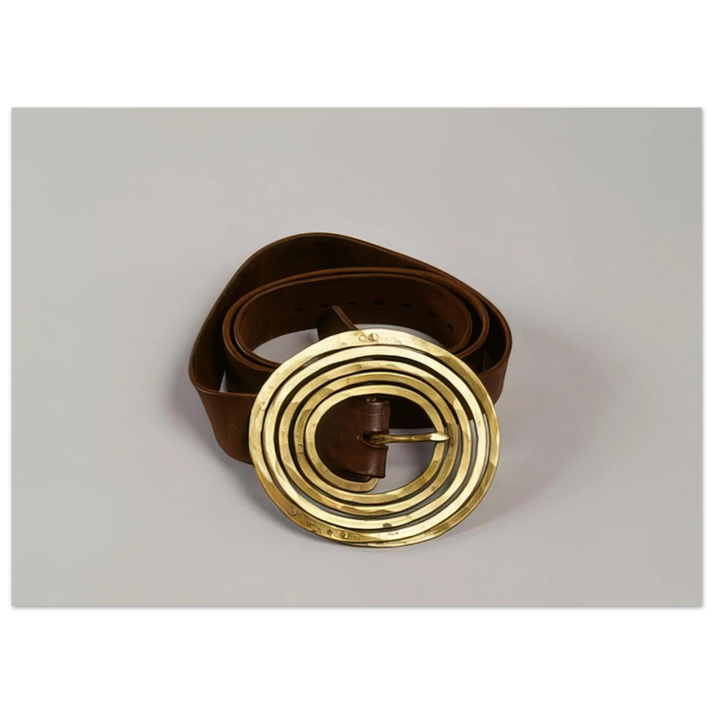
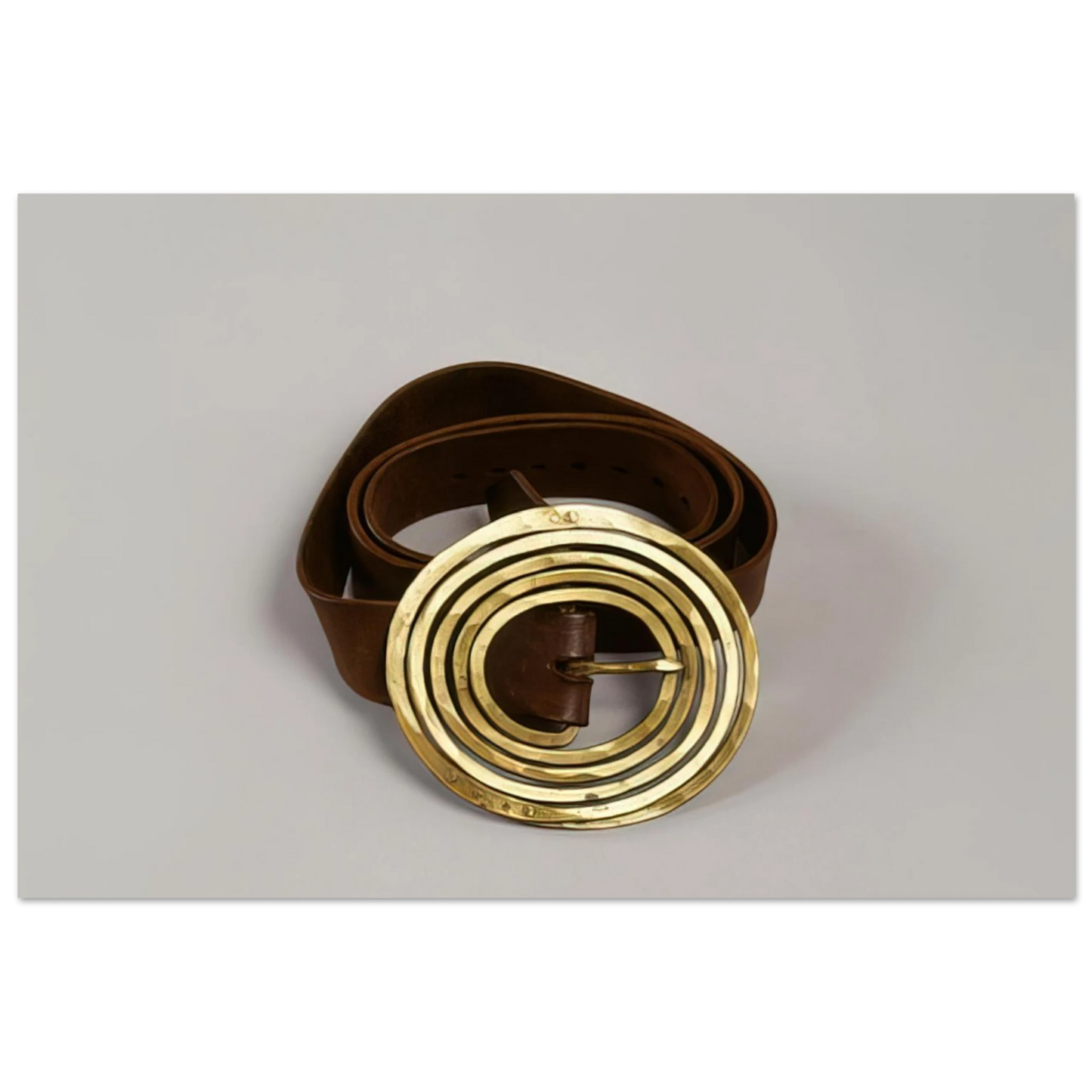
Alexander Calder - BELT 1943 Fine Art Poster
Alexander Calder - BELT 1943 Fine Art Poster
Couldn't load pickup availability
Elevate Your Space with Alexander Calder’s 'BELT 1943'
Experience the rhythmic balance and primary vibrancy of mid-century modernism with this Alexander Calder - BELT 1943 Fine Art Poster. Originally conceived during a pivotal era in Calder's career—the same year he was honored with a retrospective at the Museum of Modern Art—this work captures the essence of his kinetic vocabulary in a stunning two-dimensional format. Known as the 'master of air,' Calder translates the equilibrium of his world-famous mobiles into a sophisticated arrangement of biomorphic shapes and bold, intersecting lines.
Museum-Grade Execution for the Discerning Collector
At RedKalion, we curate our prints to meet the highest standards of the global art market. This museum-quality reproduction is rendered on Master's Edition archival paper, ensuring that the integrity of Calder’s vision is preserved. The 250 gsm (110 lb) weight provides a substantial, luxurious feel, while the matte, uncoated finish eliminates glare, allowing the natural white (off-white) paper texture to enhance the depth of the pigments.
Archival Longevity and Sustainable Craftsmanship
Designed to endure as a legacy piece, this print is acid-free (pH above 7), protecting it against yellowing and degradation over time. Our commitment to excellence extends to the environment; every print uses FSC-certified paper, ensuring responsible forestry practices. With a thickness of 0.29 mm (11.4 mils), this archival masterpiece offers a physical presence that commands attention in any gallery-inspired interior.
- Artist: Alexander Calder
- Title: BELT 1943
- Paper: 250 gsm Master's Edition Archival
- Finish: Matte, natural white texture
- Sustainability: FSC-certified, acid-free composition
- Authenticity: RedKalion curated fine art reproduction


Discover Unlimited Art Possibilities
At RedKalion, you can find virtually any artwork from any artist, available in a wide range of sizes to perfectly match your space.
If you didn’t find what you’re looking for, contact us at support@redkalion.com . We will source any artwork and produce it in any size and format you need, including art prints, posters, canvas, framed pieces, framed canvas, and more.
For dedicated art enthusiasts, we also offer handcrafted replicas of any artwork, carefully painted by highly skilled artists using traditional techniques.
For custom requests, contact us at support@redkalion.com .
What is the quality of the paper used for this Alexander Calder print?
We use Master's Edition archival paper, a museum-quality 250 gsm (110 lb) substrate. It features a matte, uncoated finish and a natural white tone, providing a luxurious, glare-free texture that perfectly captures Calder's bold pigments.
Will the colors fade over time?
No. This fine art poster is printed on acid-free paper with a pH above 7. This archival-grade material prevents yellowing and ensures the vibrant primary colors of Calder's 1943 masterpiece remain stable for generations.
How is my order fulfilled and shipped?
At RedKalion, we print each Alexander Calder reproduction on demand to ensure peak quality. There are no minimum orders, and each piece is carefully packaged to ensure it arrives in pristine condition at your doorstep.
Is the paper used for this print sustainable?
Yes. We prioritize environmental responsibility by using FSC-certified paper. This ensures that your museum-quality Calder print is sourced from forests managed to the highest social and environmental standards.
Is a frame included with the BELT 1943 poster?
This product is a premium unframed fine art print. This allows you to select a frame that perfectly complements your personal decor while highlighting the 0.29 mm thick, museum-grade paper and Calder's iconic composition.
What characterizes Alexander Calder's style in BELT 1943?
BELT 1943 showcases Calder's mastery of biomorphic abstraction and primary colors. It translates the rhythmic balance of his world-famous kinetic mobiles into a two-dimensional space, using bold lines and organic shapes to evoke equilibrium.
Why is 1943 considered a significant year for Calder's work?
In 1943, Calder became the youngest artist to have a retrospective at MoMA. During this period, his graphic works like BELT refined his visual language, focusing on the interplay of celestial forms and vibrant, non-representational geometry.