RedKalion
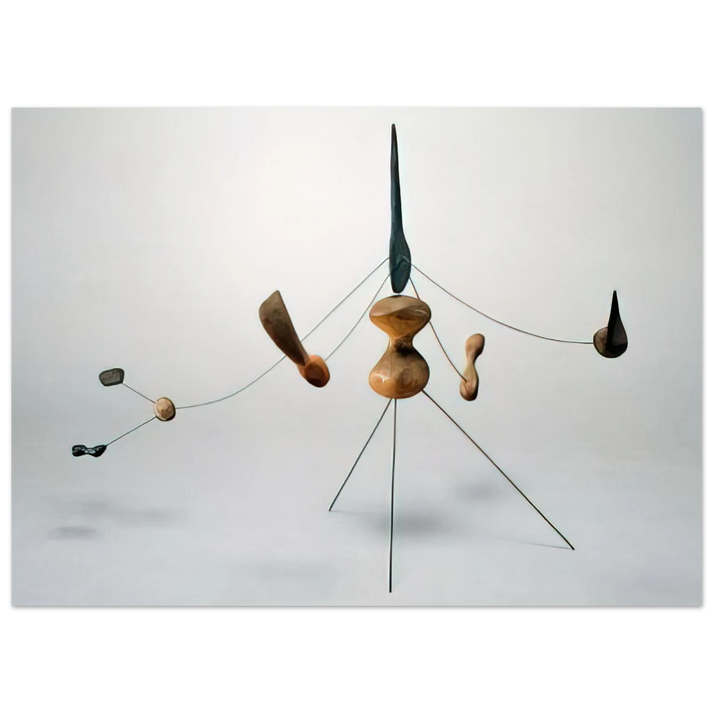
Alexander Calder - CONSTELLATION 1942 Fine Art Poster
Alexander Calder - CONSTELLATION 1942 Fine Art Poster
Couldn't load pickup availability
Capture the Spatial Elegance of Alexander Calder's Constellation (1942)
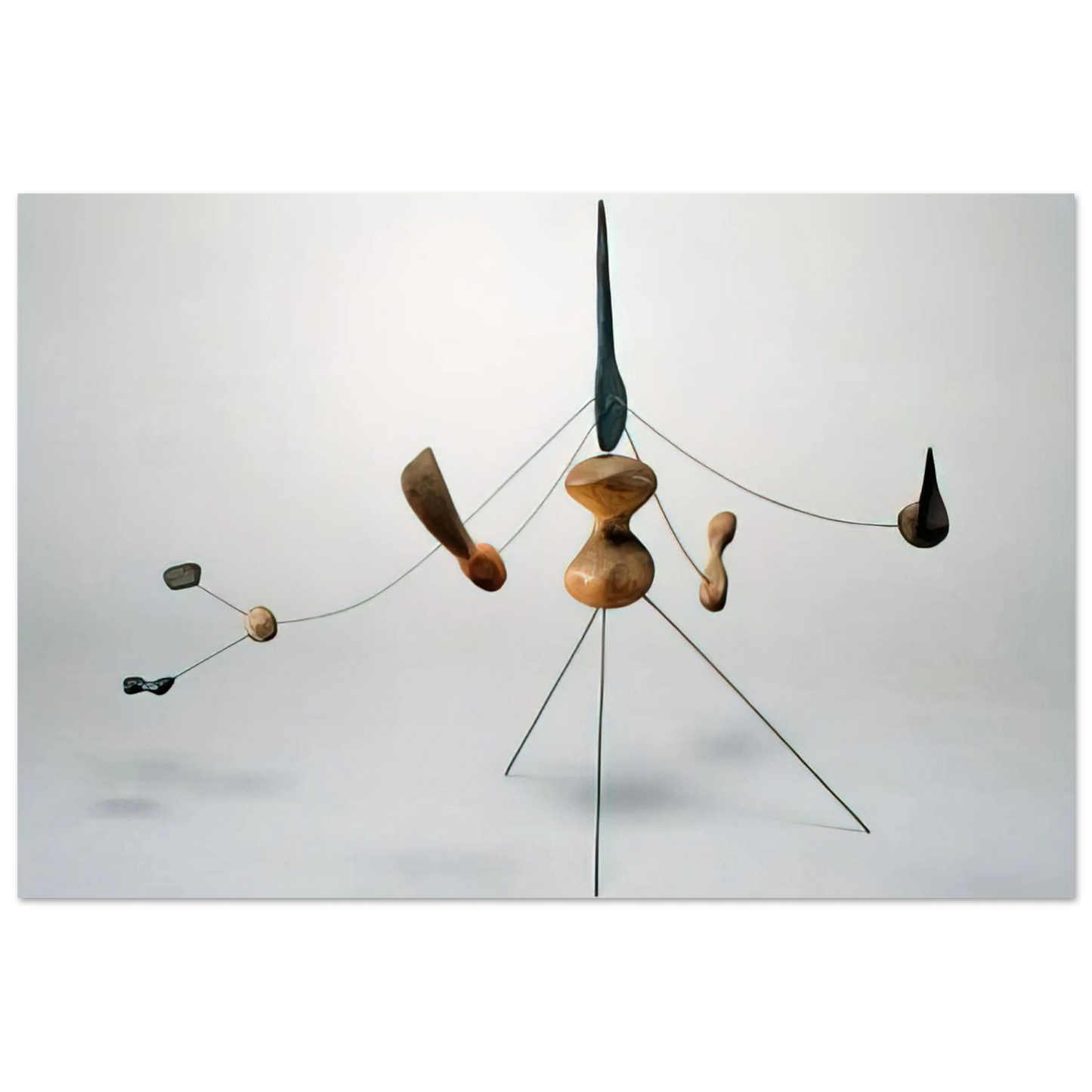
Step into the mid-century avant-garde with our premium reproduction of Alexander Calder’s Constellation (1942). Created during a period of material scarcity during World War II, this series represents a pivotal moment in Calder’s career. Moving away from the heavier metals of his famous mobiles, Calder utilized wood and wire to create 'Constellations'—ethereal, static structures that seem to defy gravity while exploring the profound relationships between form and the void.
This fine art print captures the delicate, biomorphic shapes and precise geometric balance that defined Calder’s unique contribution to American Surrealism. At RedKalion, we curate our prints to ensure that every subtle line and organic curve is preserved with the utmost fidelity, offering a window into the artist’s 'laboratory of space.'
Museum-Quality Craftsmanship for the Discerning Collector
Our commitment to excellence is reflected in the physical medium of this museum-quality reproduction. To honor Calder’s legacy, each print is produced on our Master's Edition archival paper. This selection ensures that the artwork is not merely a poster, but a lasting piece of fine art that enhances any interior environment.
- Paper Quality: 250 gsm (110 lb) natural white, off-white paper with a luxurious matte finish.
- Archival Integrity: Acid-free (pH above 7) to ensure your print remains vibrant without yellowing for generations.
- Tactile Sophistication: An uncoated texture that minimizes glare and highlights the depth of the composition.
- Sustainable Standards: Printed on FSC-certified paper, supporting responsible forestry.
Elevate your space with an archival masterpiece that endures. RedKalion ensures your Alexander Calder Constellation 1942 fine art poster is printed on demand with meticulous attention to detail, arriving ready to be framed as a centerpiece of your collection.


Discover Unlimited Art Possibilities
At RedKalion, you can find virtually any artwork from any artist, available in a wide range of sizes to perfectly match your space.
If you didn’t find what you’re looking for, contact us at support@redkalion.com . We will source any artwork and produce it in any size and format you need, including art prints, posters, canvas, framed pieces, framed canvas, and more.
For dedicated art enthusiasts, we also offer handcrafted replicas of any artwork, carefully painted by highly skilled artists using traditional techniques.
For custom requests, contact us at support@redkalion.com .
What makes the paper "Master's Edition"?
Our Master's Edition paper is a 250 gsm (110 lb) archival-grade material. It is a thick, natural white paper with a luxurious, uncoated matte finish designed to meet museum standards for texture and visual depth.
Is this print durable enough for long-term display?
Yes. The print is acid-free with a pH above 7, which prevents the paper from yellowing or deteriorating over time. This archival quality ensures your Alexander Calder reproduction remains a vibrant part of your collection for decades.
How is the finish of the Alexander Calder print?
This fine art print features a sophisticated matte, uncoated finish. This specific texture absorbs light rather than reflecting it, providing a glare-free viewing experience that emphasizes the subtle tones of the artwork.
How does RedKalion handle shipping and fulfillment?
RedKalion utilizes a print-on-demand model with no minimum orders. Each piece is meticulously printed upon purchase and shipped in secure, protective packaging to ensure it arrives in pristine condition at your doorstep.
Is the paper used for this poster sustainable?
Absolutely. We use FSC-certified paper, which guarantees that the materials are sourced from responsibly managed forests that provide environmental, social, and economic benefits.
What is the significance of Calder’s "Constellation" series?
The Constellation series (1942) was Calder’s response to metal shortages during WWII. By using wood and wire, he created "static mobiles" that explored celestial themes and spatial tension without the need for motorized or wind-driven movement.
Why did Calder use these specific shapes in 1942?
Calder’s biomorphic forms in 1942 were heavily influenced by his interactions with Surrealist artists like Joan Miró. These shapes suggest organic life and cosmic bodies, creating a sense of universal harmony within a fixed space.