RedKalion
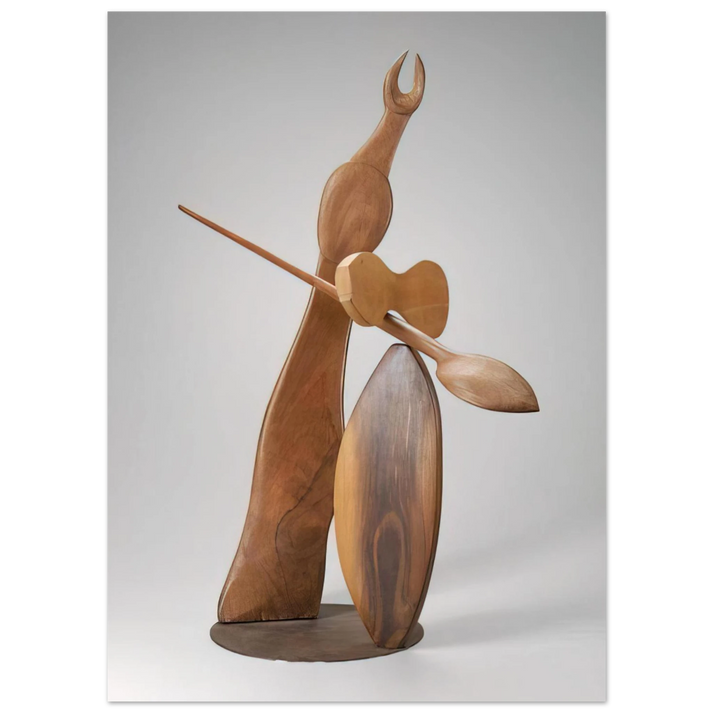
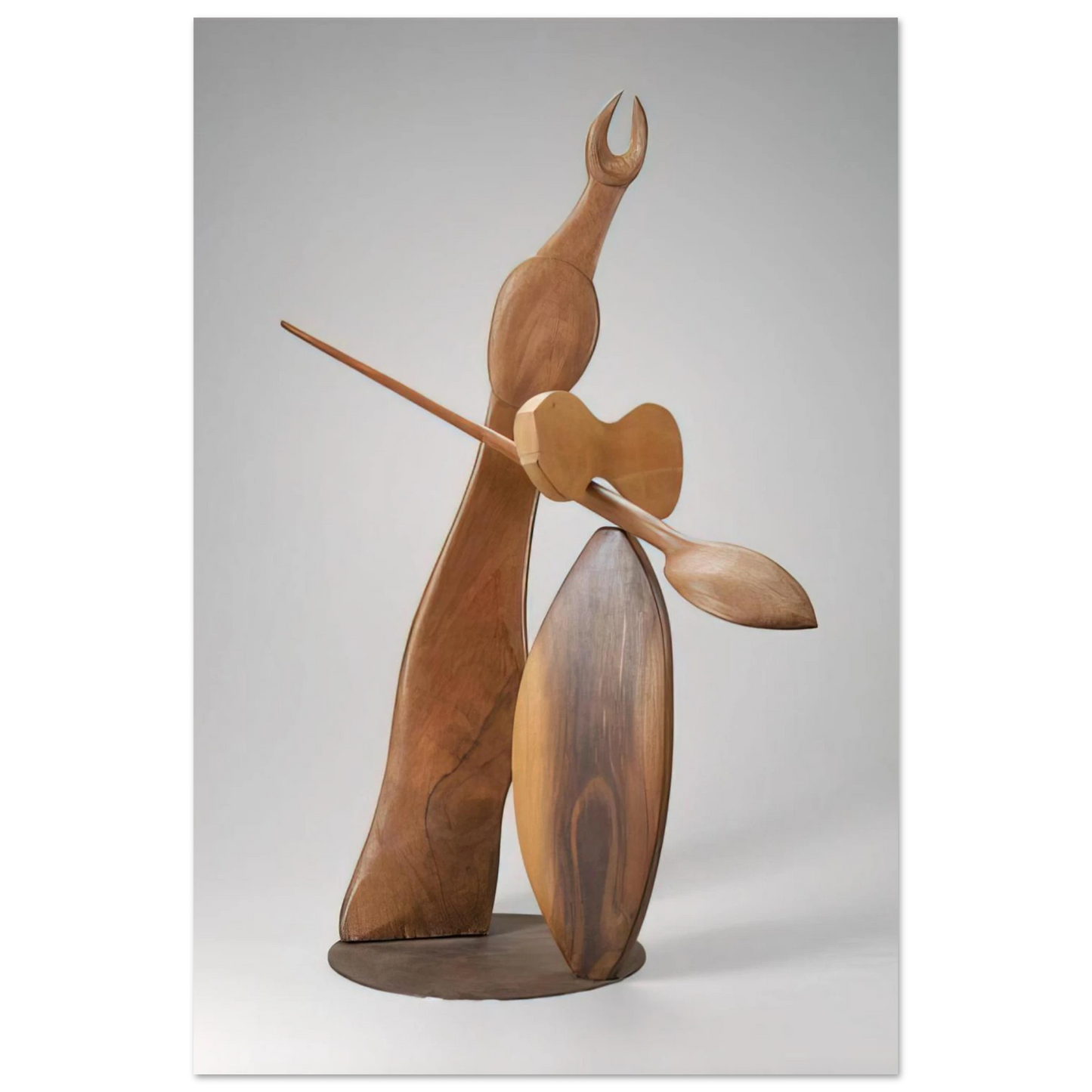
Alexander Calder - DIANA 1934 Fine Art Poster
Alexander Calder - DIANA 1934 Fine Art Poster
Couldn't load pickup availability
Alexander Calder - DIANA (1934): A Masterpiece of Minimalist Line and Movement
Step into the avant-garde world of the 1930s with our premium reproduction of Alexander Calder’s DIANA (1934). This fine art poster captures a pivotal moment in Calder’s career, transitioning from his celebrated wire sculptures to the fluid, rhythmic line drawings that would eventually define modern abstraction. The piece embodies the grace of the Roman goddess Diana through a minimalist lens, using a continuous, melodic line to suggest form and motion without the weight of traditional mass.
As an elite curator of fine art, RedKalion ensures this archival reproduction preserves the integrity of Calder’s original vision. By utilizing Master's Edition archival paper, we provide a tactile experience that mirrors the quality found in world-renowned galleries. The natural white, matte finish removes distracting reflections, allowing the viewer to fully appreciate the interplay between positive and negative space—a hallmark of Calder’s genius.
Technical Excellence & Material Integrity
- Archival Longevity: Printed on acid-free paper with a pH above 7, ensuring your investment remains vibrant and resists yellowing for generations.
- Premium Tactility: A robust 250 gsm (110 lb) weight and 0.29 mm thickness offer a luxurious, substantial feel characteristic of museum-grade collections.
- Sustainability: Our commitment to the environment is reflected in the use of FSC-certified materials, balancing artistic luxury with ecological responsibility.
- Precision Fulfillment: Each print is produced on demand with no minimum order requirements, ensuring a fresh, bespoke addition to your collection.
Elevate your interior space with a piece that transcends simple decoration. This Alexander Calder fine art print is not merely a poster; it is a sophisticated statement of historical significance and enduring aesthetic value, curated with the expertise that only RedKalion provides.


Discover Unlimited Art Possibilities
At RedKalion, you can find virtually any artwork from any artist, available in a wide range of sizes to perfectly match your space.
If you didn’t find what you’re looking for, contact us at support@redkalion.com . We will source any artwork and produce it in any size and format you need, including art prints, posters, canvas, framed pieces, framed canvas, and more.
For dedicated art enthusiasts, we also offer handcrafted replicas of any artwork, carefully painted by highly skilled artists using traditional techniques.
For custom requests, contact us at support@redkalion.com .
What are the paper specifications for this Alexander Calder print?
We use Master's Edition archival paper, which is 250 gsm (110 lb) with a thickness of 0.29 mm. It features a natural white, uncoated finish for a premium, glare-free aesthetic.
How long will this archival-grade reproduction last?
Thanks to the acid-free composition (pH above 7), this print is designed to resist yellowing and degradation, ensuring museum-quality longevity for decades when kept away from direct moisture.
Is the materials used in this poster environmentally friendly?
Yes, RedKalion uses FSC-certified paper (Forest Stewardship Council), ensuring that the materials are sourced from responsibly managed forests that provide environmental, social, and economic benefits.
What is RedKalion’s fulfillment and shipping process?
We print each order on demand with no minimum requirements. This ensures the highest quality control. Prints are packaged securely and shipped to your door to prevent damage during transit.
Does this print have a glossy or matte finish?
This fine art poster has a luxurious matte finish. This uncoated texture provides a sophisticated look and prevents glare, making it ideal for high-end interior lighting.
What is the significance of the year 1934 in Calder’s career?
1934 was a transformative year for Calder as he deepened his exploration of abstraction and kinetic forms, moving between his static 'stabiles' and early experiments with movement.
How does 'DIANA' exemplify Calder's 'drawing in space' technique?
The artwork utilizes a fluid, minimalist line to suggest 3D volume on a 2D surface, mirroring his wire sculptures that redefined how art interacts with surrounding space.