RedKalion
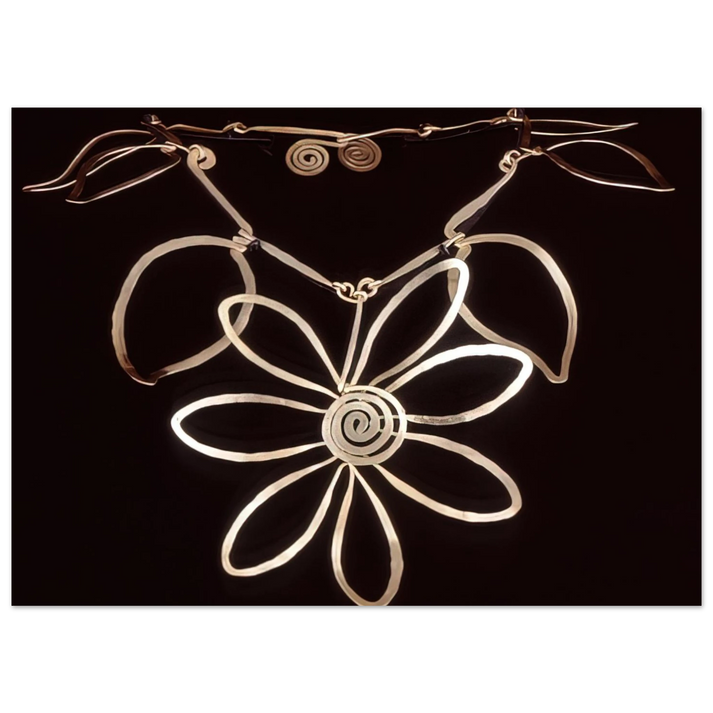
Alexander Calder - FLOWER NECKLACE 1938 Fine Art Poster
Alexander Calder - FLOWER NECKLACE 1938 Fine Art Poster
Couldn't load pickup availability
Alexander Calder: Flower Necklace 1938 – A Sculptural Masterpiece
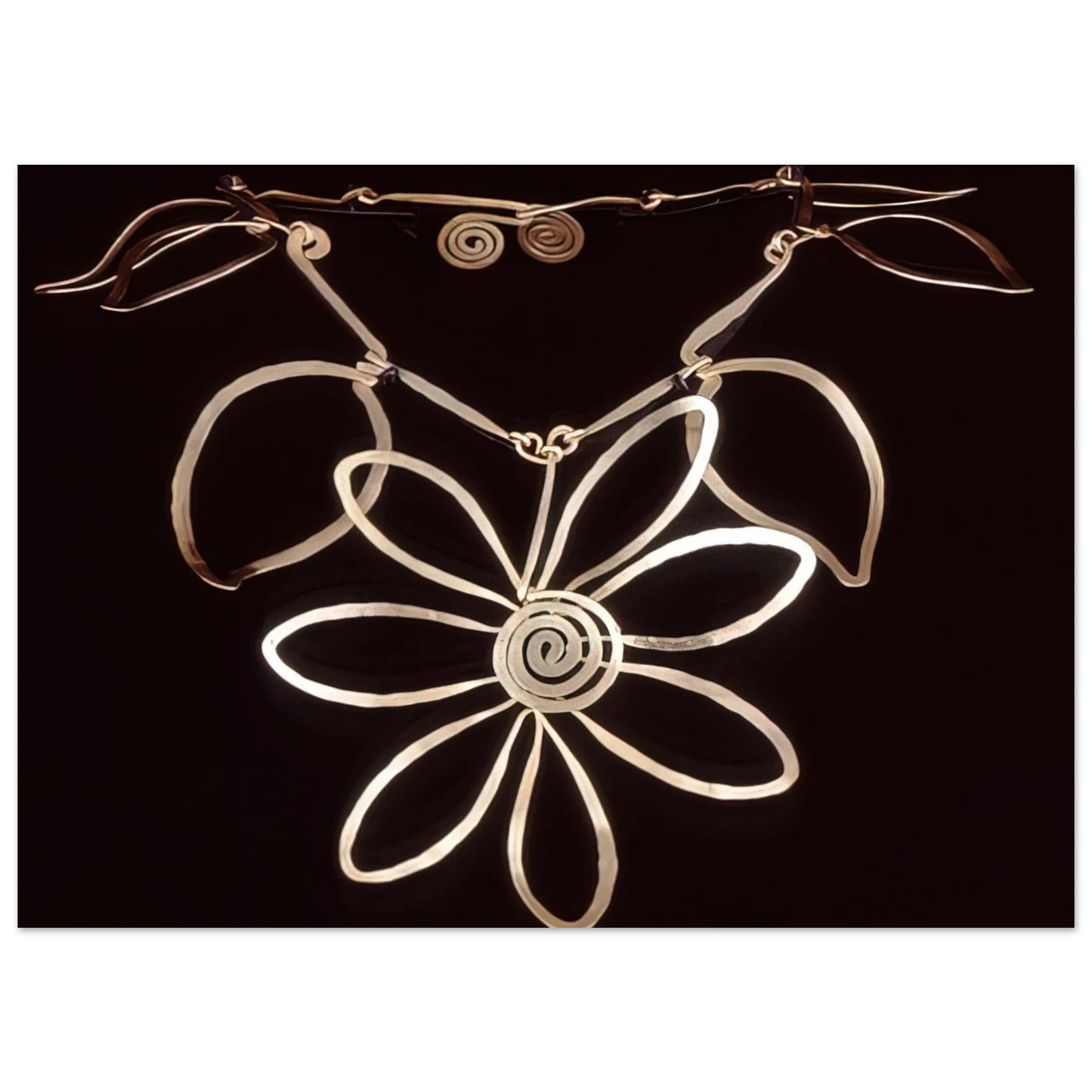
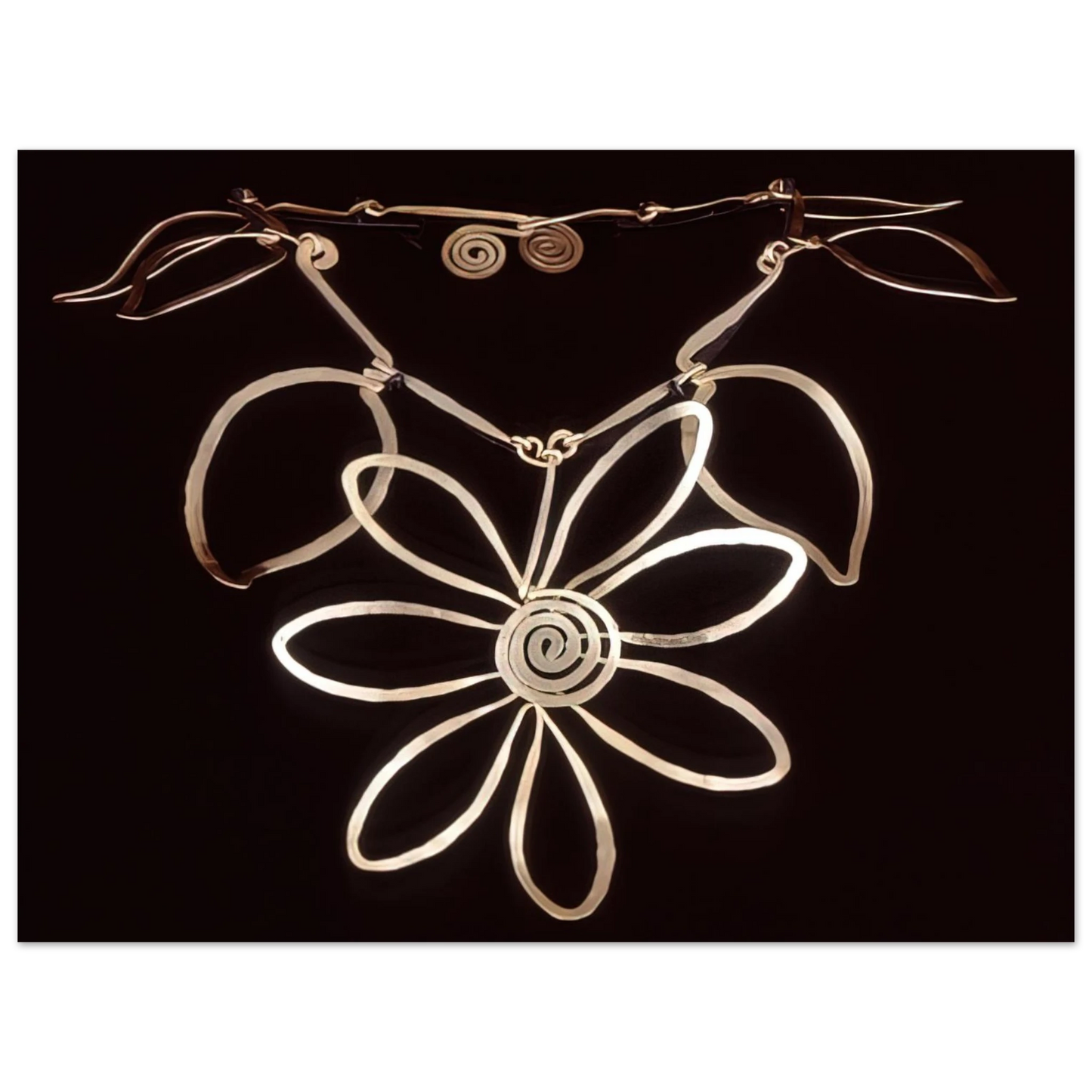
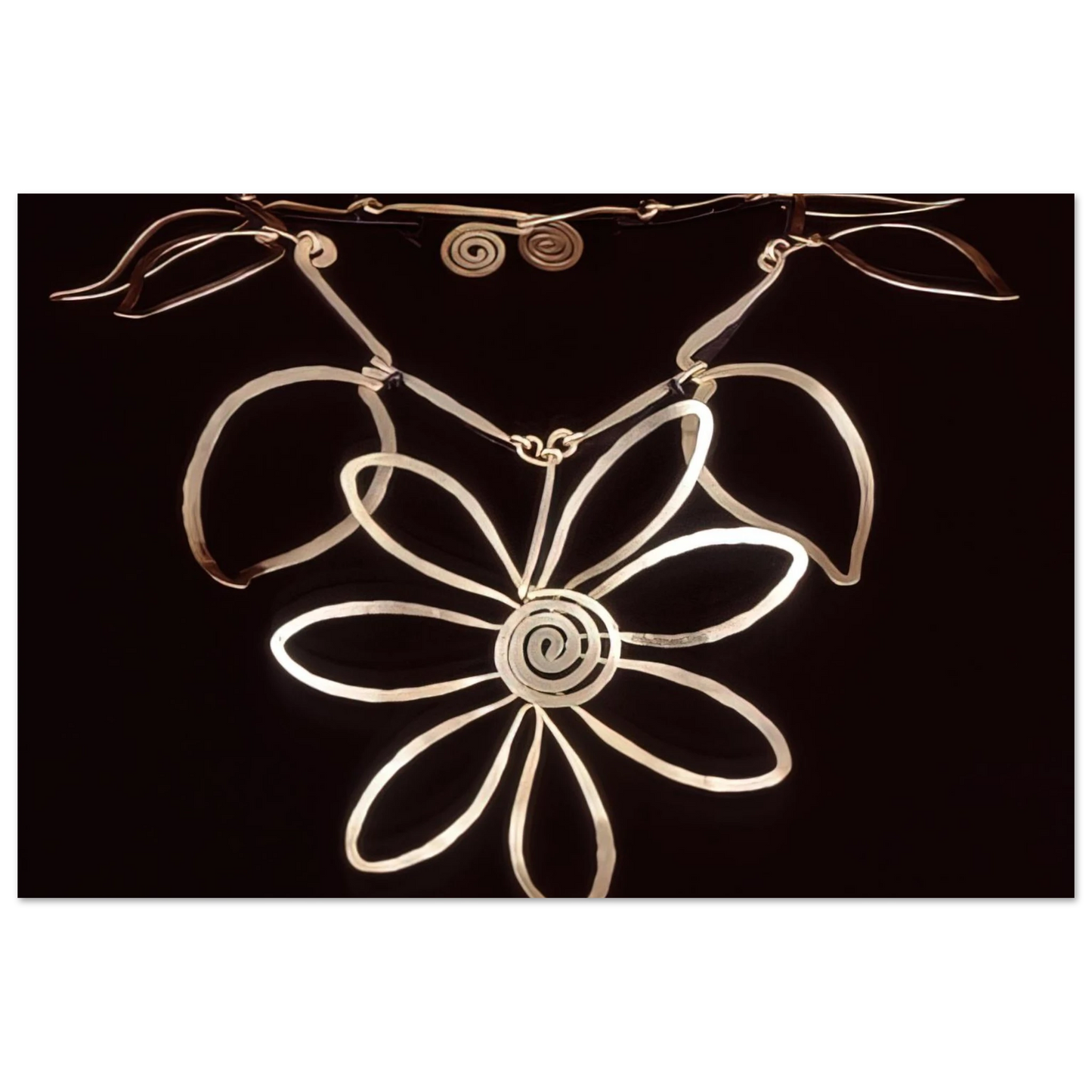
Experience the intersection of fine art and intimate adornment with RedKalion’s museum-quality reproduction of Alexander Calder’s Flower Necklace (1938). Known primarily for his revolutionary mobiles, Calder applied his intuitive sense of form and space to jewelry, creating 'wearable sculptures' that were as bold as they were whimsical. This fine art poster captures the intricate linework and rhythmic balance of the 1938 original, a period where Calder was redefining the boundaries between art and craft.
As an elite curator of archival reproductions, RedKalion presents this piece on our Master's Edition archival paper. This premium, off-white matte paper provides a luxurious, uncoated texture that honors the raw, hand-forged aesthetic of Calder’s wirework. Each print is designed to serve as a sophisticated focal point, bringing the spirit of mid-century avant-garde into the modern interior.
Uncompromising Material Excellence
- Museum-Quality Substrate: Printed on 250 gsm (110 lb) natural white paper, ensuring a substantial, high-end feel.
- Archival Longevity: Our acid-free paper (pH above 7) prevents yellowing and degradation, preserving the artwork's integrity for generations.
- Luxurious Finish: The matte, uncoated surface eliminates glare, allowing the viewer to appreciate the subtle tonal shifts of the composition.
- Sustainable Artistry: We utilize FSC-certified paper, supporting responsible forest management with every print.
By choosing a RedKalion reproduction, you are not merely purchasing a poster; you are investing in an archival-grade artifact that reflects the genius of Alexander Calder. Elevate your space with a masterpiece that endures.
Discover Unlimited Art Possibilities
At RedKalion, you can find virtually any artwork from any artist, available in a wide range of sizes to perfectly match your space.
If you didn’t find what you’re looking for, contact us at support@redkalion.com . We will source any artwork and produce it in any size and format you need, including art prints, posters, canvas, framed pieces, framed canvas, and more.
For dedicated art enthusiasts, we also offer handcrafted replicas of any artwork, carefully painted by highly skilled artists using traditional techniques.
For custom requests, contact us at support@redkalion.com .
What makes the RedKalion Alexander Calder print 'museum-quality'?
Our prints use Master's Edition archival paper, characterized by a heavy weight of 250 gsm and an acid-free composition. This ensures the reproduction maintains its structural integrity and visual depth, matching the standards required by galleries and museums.
What are the specific paper details for the Flower Necklace 1938 poster?
This print features a thickness of 0.29 mm (11.4 mils) on a natural white, uncoated surface. The matte finish provides a sophisticated, non-reflective texture that emphasizes the artistic details of Calder’s original 1938 design.
Is this Calder reproduction sustainably produced?
Yes, sustainability is central to RedKalion’s mission. We use FSC-certified paper, ensuring the materials are sourced from responsibly managed forests. Our on-demand printing model also reduces waste by eliminating excess inventory.
How is my Alexander Calder fine art poster shipped?
RedKalion prints are fulfilled on demand with no minimum order requirements. Each piece is carefully packaged in robust, protective materials to ensure it arrives at your door in pristine, gallery-ready condition.
Will the colors of the Flower Necklace 1938 fade over time?
No. Because we use acid-free paper with a pH level above 7, our prints are resistant to the yellowing and pigment breakdown common in standard posters, ensuring the 'Flower Necklace' remains vibrant for decades.
What is the significance of the Flower Necklace (1938) in Alexander Calder's career?
In 1938, Calder was deeply engaged in creating hand-hammered jewelry. This piece represents his ability to translate the kinetic energy of his large-scale mobiles into a static, wearable form that explores rhythm and organic geometry.
Does this print capture the sculptural nature of Calder’s original jewelry?
Absolutely. The high-resolution reproduction process ensures that every nuance of the wire's tension and the 'hammered' quality of the metal is visually preserved, providing a true sense of the artwork's three-dimensional history.