RedKalion
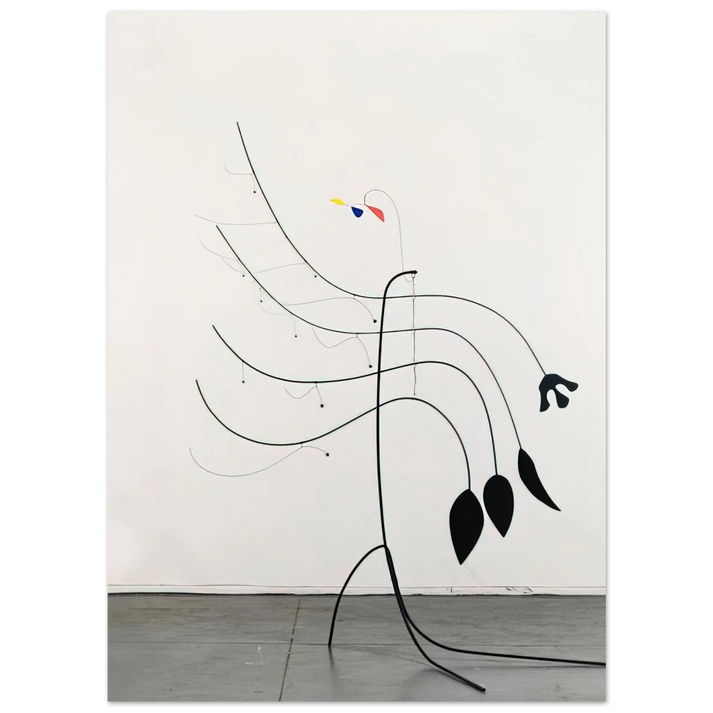
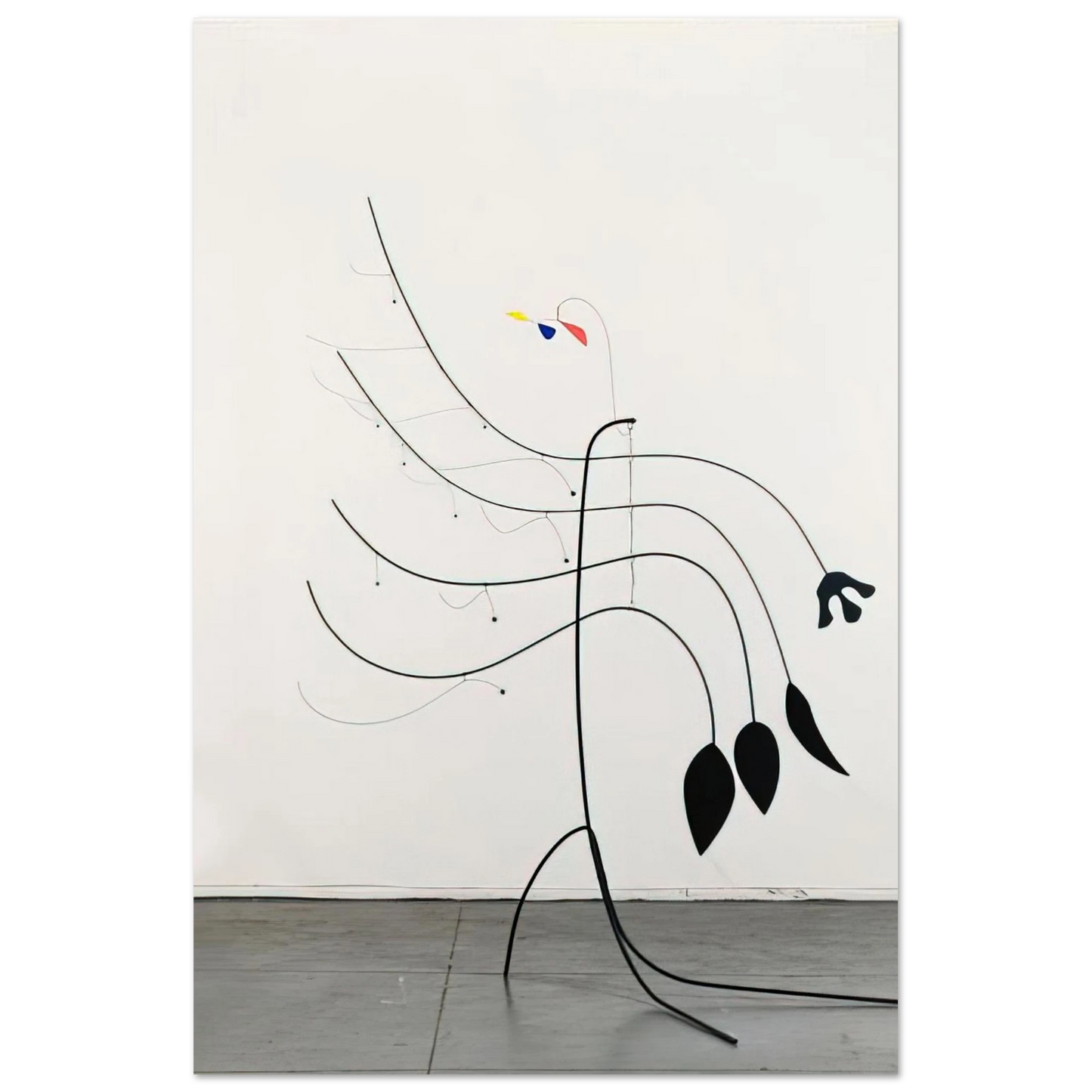
Alexander Calder - FOUR LEAVES AND THREE PETALS 1939 Fine Art Poster
Alexander Calder - FOUR LEAVES AND THREE PETALS 1939 Fine Art Poster
Couldn't load pickup availability
Elevate Your Space with Alexander Calder’s Four Leaves and Three Petals (1939)
Experience the rhythmic balance and biomorphic elegance of Alexander Calder’s 1939 masterpiece, Four Leaves and Three Petals. This fine art print captures a pivotal moment in Calder’s career, where his mastery of kinetic sculpture began to translate into iconic, flat-color abstractions. Known for revolutionizing the concept of art in motion, Calder utilized primary shapes and organic silhouettes to explore spatial harmony—a quality beautifully preserved in this museum-quality reproduction.
The Artistry Behind the Masterpiece
In 1939, Calder was at the height of his creative powers, refining the relationship between weight, air, and form. Four Leaves and Three Petals is a testament to his unique ability to evoke the natural world through industrial precision. By choosing this Alexander Calder fine art poster, you are bringing a piece of Surrealist-influenced abstraction into your home, reflecting the same avant-garde spirit found in the world’s most prestigious galleries.
RedKalion’s Uncompromising Material Standards
At RedKalion, we believe that world-class art deserves world-class materials. This print is produced on our Master's Edition archival paper, curated specifically for its luxurious texture and longevity. Our process ensures that the deep blacks and vibrant forms of Calder’s vision remain as striking as the original gouache and metal compositions.
- Premium Texture: Matte, uncoated, natural white paper (off-white) that eliminates glare.
- Substantial Weight: Printed on 250 gsm (110 lb) paper with a thickness of 0.29 mm (11.4 mils).
- Archival Excellence: Acid-free paper (pH above 7) prevents yellowing and preserves color integrity for generations.
- Sustainability: Each print utilizes FSC-certified paper, ensuring an ethically sourced addition to your collection.
Transform your interior with an archival-grade masterpiece that endures. RedKalion provides the definitive choice for collectors who demand the highest standard of craftsmanship and historical fidelity.


Discover Unlimited Art Possibilities
At RedKalion, you can find virtually any artwork from any artist, available in a wide range of sizes to perfectly match your space.
If you didn’t find what you’re looking for, contact us at support@redkalion.com . We will source any artwork and produce it in any size and format you need, including art prints, posters, canvas, framed pieces, framed canvas, and more.
For dedicated art enthusiasts, we also offer handcrafted replicas of any artwork, carefully painted by highly skilled artists using traditional techniques.
For custom requests, contact us at support@redkalion.com .
What makes this Alexander Calder print "museum-quality"?
RedKalion utilizes Master's Edition archival paper and high-fidelity printing techniques. This ensures color accuracy and structural integrity that matches standards found in professional art galleries and museums worldwide.
What are the specifications of the Master's Edition paper?
Our prints use 250 gsm (110 lb) natural white, matte paper. It is 0.29 mm thick, providing a premium, substantial feel that avoids the flimsiness of standard posters.
How is the longevity of the print ensured?
We use acid-free paper with a pH level above 7. This prevents the chemical degradation and yellowing that typically affects standard prints over time, ensuring your artwork remains pristine.
Is the paper used for this Calder poster sustainable?
Yes, we use FSC-certified paper. This guarantees that the materials for your fine art print are sourced from responsibly managed forests that provide environmental and social benefits.
How is the print fulfilled and shipped?
Every order is printed and shipped on demand with no minimum requirements. This reduces waste and ensures your specific piece is handled with individual care from production to delivery.
What is the historical significance of Calder's 1939 works?
1939 was a year of intense production for Calder, bridging his early experiments in kinetic 'mobiles' with his static 'stabiles.' This period defined his signature biomorphic abstract style.
What does the 'Four Leaves and Three Petals' composition represent?
The composition explores natural growth through geometric abstraction. It reflects Calder’s interest in biology and physics, creating a visual equilibrium between the organic 'leaves' and the structured 'petals'.