
RedKalion
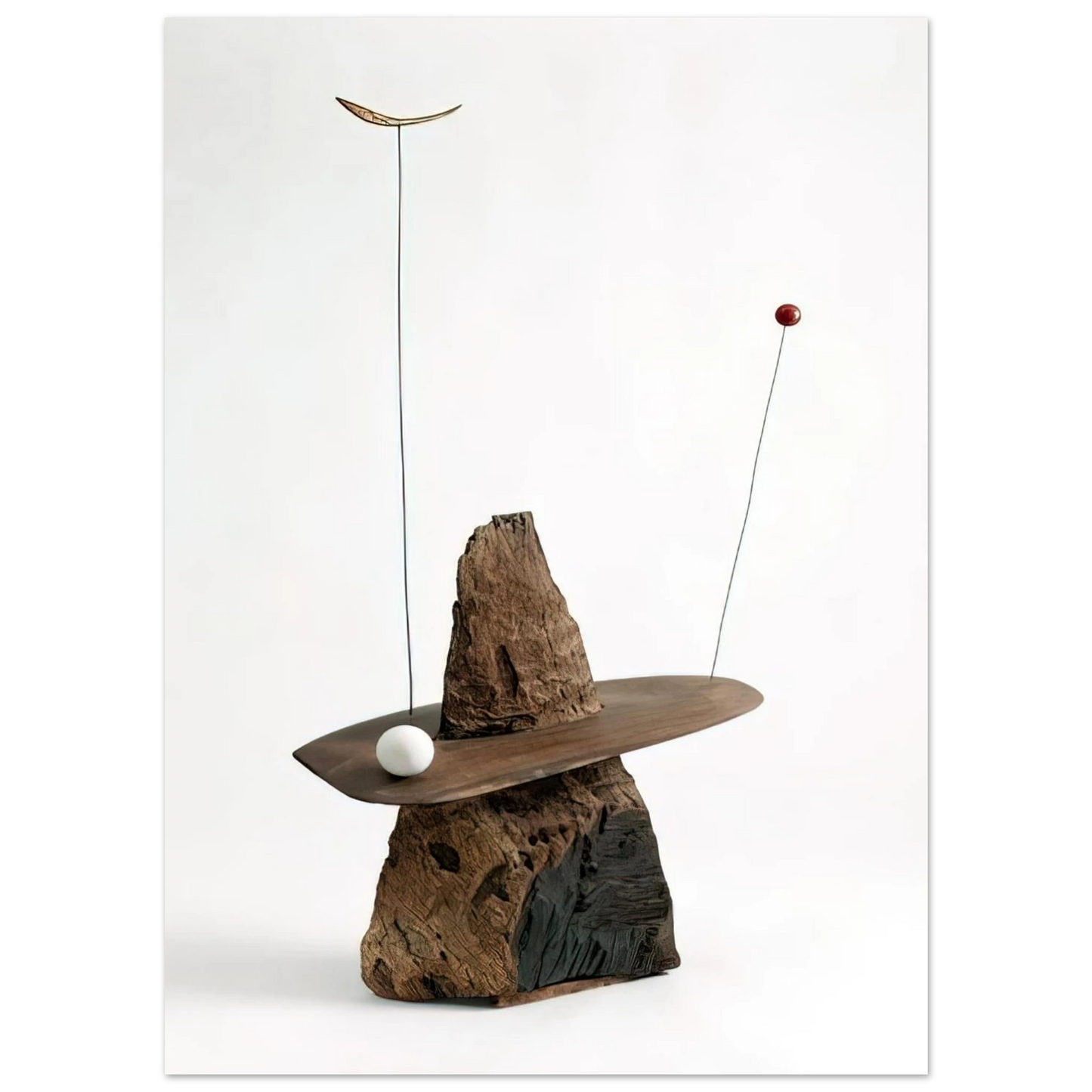
Alexander Calder - GIBRALTAR 1936 Fine Art Poster
Alexander Calder - GIBRALTAR 1936 Fine Art Poster
Couldn't load pickup availability
Elevate Your Space with Alexander Calder's Gibraltar (1936)
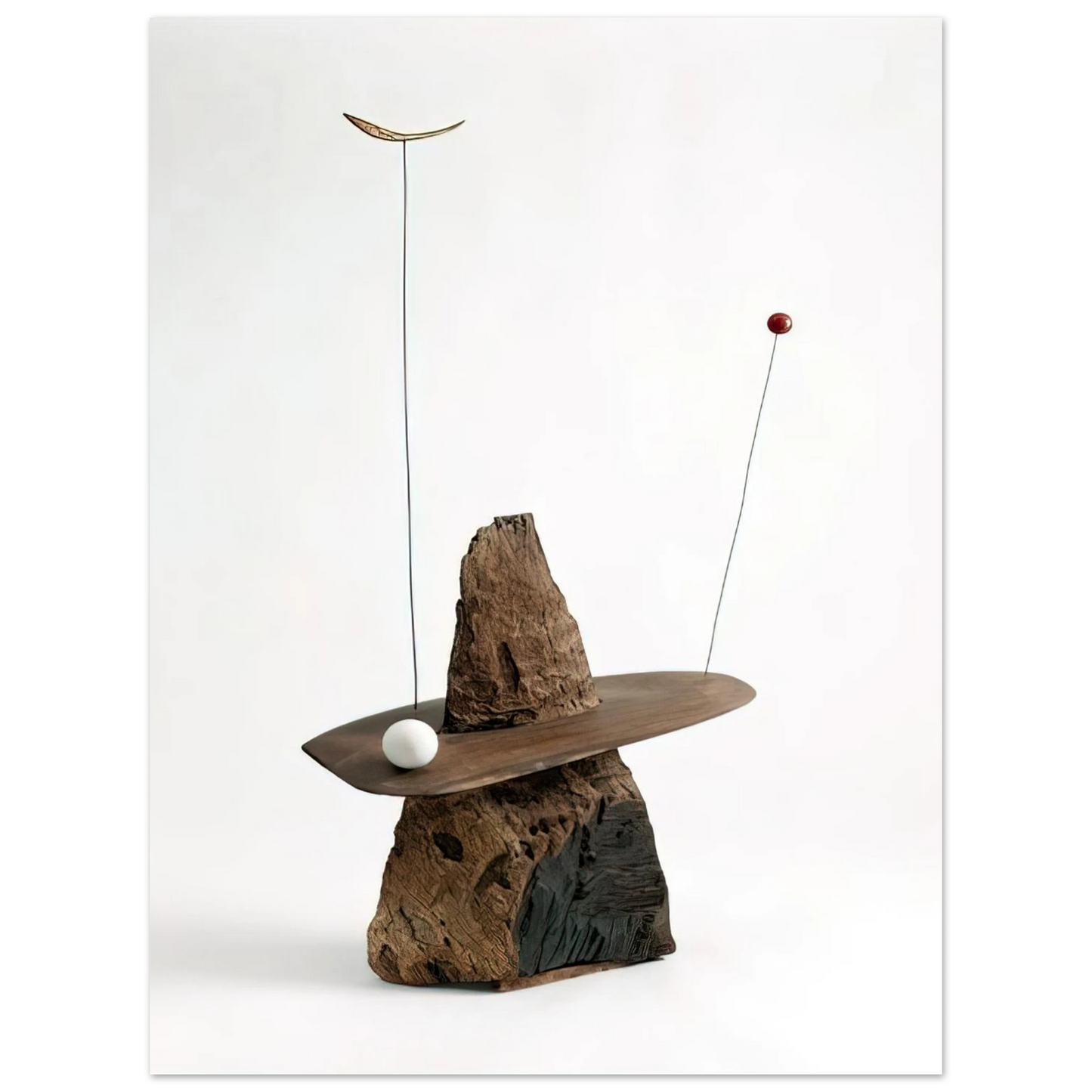
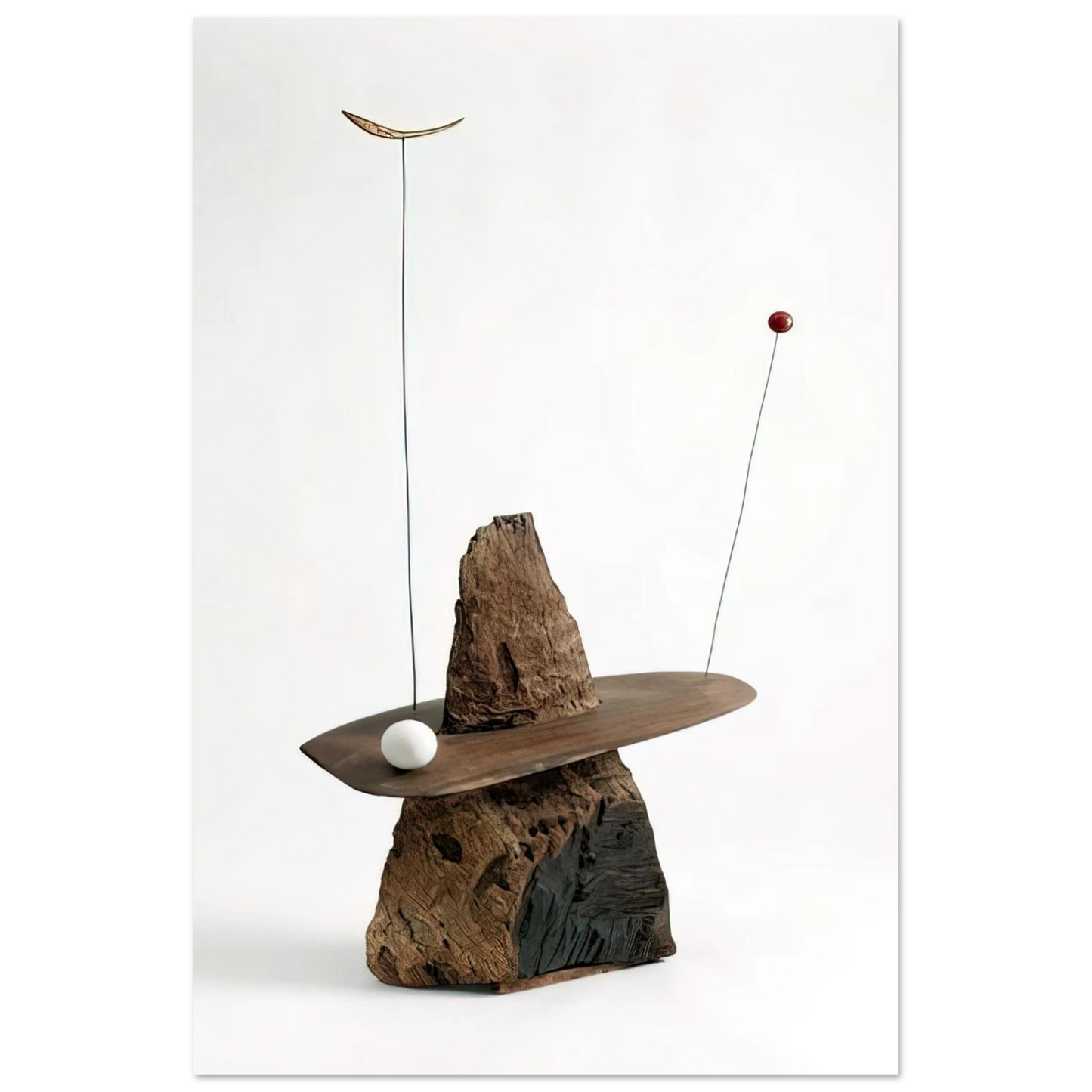
Alexander Calder, a titan of 20th-century modernism, is celebrated for his revolutionary approach to form and movement. His 1936 masterpiece, Gibraltar, represents a pivotal moment where he explored the tension between the organic and the industrial. This Alexander Calder - Gibraltar 1936 Fine Art Poster captures the spirit of that exploration, presenting a balanced composition of biomorphic shapes and rigid structures that defined the era of abstract surrealism.
As a premier curator of archival-grade reproductions, RedKalion presents this museum-quality print with uncompromising attention to detail. Calder’s Gibraltar is a study in equilibrium, and our reproduction honors this by utilizing Master's Edition archival paper. This heavy-duty, 250 gsm (110 lb) paper provides a substantial, luxurious feel, ensuring that the visual weight of Calder’s work is matched by its physical quality.
Museum-Grade Specifications for the Discerning Collector
Our commitment to excellence means this fine art print is more than just decor—it is an archival masterpiece. The print features a matte, uncoated finish with a natural white (off-white) tone, which provides a non-reflective surface that enhances the depth of the abstract forms. This texture allows the viewer to appreciate the subtle interplay of shadow and shape, just as one would in a gallery setting.
- Archival Longevity: Acid-free (pH above 7) paper prevents yellowing or degradation over time.
- Premium Thickness: A robust 0.29 mm (11.4 mils) ensures the print remains flat and durable.
- Sustainably Sourced: All prints utilize FSC-certified paper, supporting responsible forest management.
- Sophisticated Aesthetic: The uncoated finish provides a sophisticated, tactile quality that distinguishes it from standard commercial posters.
By bringing this piece into your collection, you are not only decorating a wall but also celebrating the historical legacy of the man who invented the mobile. RedKalion ensures that each Gibraltar 1936 reproduction is printed and shipped on demand, meeting the highest standards of fine art publishing.
Discover Unlimited Art Possibilities
At RedKalion, you can find virtually any artwork from any artist, available in a wide range of sizes to perfectly match your space.
If you didn’t find what you’re looking for, contact us at support@redkalion.com . We will source any artwork and produce it in any size and format you need, including art prints, posters, canvas, framed pieces, framed canvas, and more.
For dedicated art enthusiasts, we also offer handcrafted replicas of any artwork, carefully painted by highly skilled artists using traditional techniques.
For custom requests, contact us at support@redkalion.com .
What makes the Gibraltar 1936 print museum-quality?
This print is produced on Master's Edition archival paper (250 gsm) with a thickness of 0.29 mm. It features a matte, uncoated finish and an off-white, natural white tone, ensuring the texture and color depth mirror a gallery-standard fine art reproduction.
Is the paper used for this Calder poster sustainable?
Yes. We prioritize environmental responsibility by using FSC-certified paper. This ensures that the materials for your Alexander Calder fine art print are sourced from responsibly managed forests that provide environmental, social, and economic benefits.
How long will this archival print last without yellowing?
Designed for longevity, our prints are acid-free with a pH level above 7. This archival quality prevents the paper from yellowing or deteriorating over time, allowing your investment in Calder's Gibraltar to remain a pristine centerpiece for decades.
How is the Gibraltar 1936 reproduction shipped?
RedKalion utilizes on-demand printing to ensure the highest quality control. Each print is carefully packaged to avoid damage and shipped directly to you with no minimum order requirements, ensuring a seamless and secure delivery process.
Does this print have a glossy or matte finish?
This reproduction features a luxurious matte, uncoated finish. This specific texture is chosen to provide a non-reflective surface that enhances the rich biomorphic shapes of Calder’s work while offering a sophisticated, high-end feel.
What does Calder's Gibraltar represent in art history?
Created in 1936, Gibraltar marks Calder's shift toward Surrealism and biomorphic abstraction. It demonstrates his mastery of balance, combining static, heavy elements with delicate parts, bridging the gap between traditional sculpture and his later kinetic mobiles.
Why did Calder use wood in the original 1936 Gibraltar sculpture?
During the mid-1930s, Calder experimented with 'Stabiles' using organic materials like walnut and lignum vitae. Wood allowed him to explore weight and natural textures, creating a grounded contrast to the airy, wire-based works he would later become world-famous for.