RedKalion
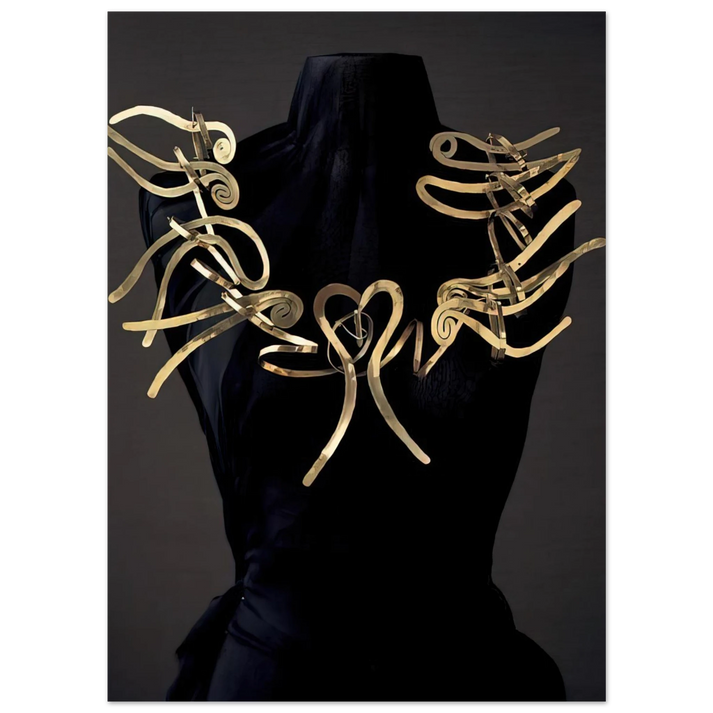
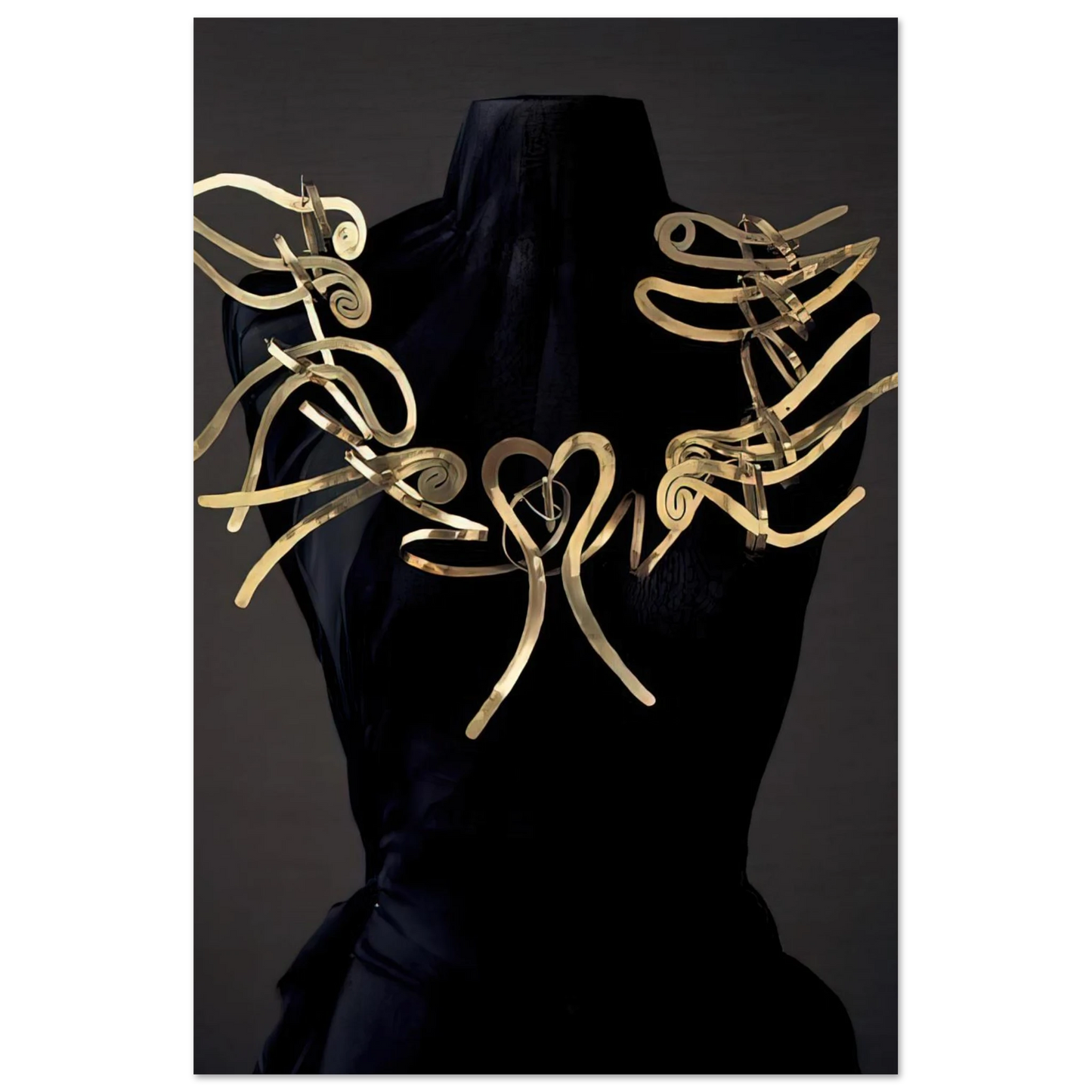
Alexander Calder - HARPS AND HEART 1937 Fine Art Poster
Alexander Calder - HARPS AND HEART 1937 Fine Art Poster
Couldn't load pickup availability
Elevate Your Space with Alexander Calder’s 'Harps and Heart' (1937)
Experience the lyrical abstraction of a modern master with this museum-quality reproduction of Alexander Calder’s 'Harps and Heart' (1937). This significant work captures the delicate tension between line and space that defined Calder’s mid-century aesthetic. While widely celebrated for his kinetic mobiles, Calder’s two-dimensional works from the late 1930s—a period marked by his increasing international acclaim and technical refinement—reveal the same rhythmic balance and playful curiosity. This fine art print brings a sophisticated, avant-garde energy to any interior, bridging the gap between Surrealism and pure abstraction.
The RedKalion Archival Standard
At RedKalion, we curate museum-quality reproductions that honor the artist's original vision. This piece is printed on our Master's Edition archival paper, a premium choice for collectors who demand longevity and texture. The matte, uncoated, natural white finish provides a luxurious, off-white background that perfectly complements Calder’s bold, calligraphic lines without the distraction of glare.
- Weight & Thickness: A substantial 250 gsm (110 lb) weight with a thickness of 0.29 mm (11.4 mils) for a robust, premium feel.
- Archival Longevity: Acid-free paper (pH above 7) ensures your investment is protected against yellowing and degradation over time.
- Sustainable Excellence: We utilize FSC-certified paper, aligning artistic beauty with environmental responsibility.
- Expert Fulfillment: Each order is printed and shipped on demand with no minimums, ensuring a bespoke experience for every client.
Whether you are a seasoned collector or a design enthusiast, this Alexander Calder fine art poster offers an enduring connection to one of the 20th century’s most influential innovators. Transform your environment with an archival masterpiece that resonates with history and elegance.


Discover Unlimited Art Possibilities
At RedKalion, you can find virtually any artwork from any artist, available in a wide range of sizes to perfectly match your space.
If you didn’t find what you’re looking for, contact us at support@redkalion.com . We will source any artwork and produce it in any size and format you need, including art prints, posters, canvas, framed pieces, framed canvas, and more.
For dedicated art enthusiasts, we also offer handcrafted replicas of any artwork, carefully painted by highly skilled artists using traditional techniques.
For custom requests, contact us at support@redkalion.com .
What are the specifications of the paper used for this Calder print?
We use Master's Edition archival paper. It is a museum-quality, 250 gsm (110 lb) paper with a matte, natural white finish and a thickness of 0.29 mm, providing a premium, non-glare texture.
Is this Alexander Calder reproduction sustainable?
Yes. This fine art print is produced on FSC-certified paper, ensuring that the materials meet high environmental and social standards, and it is printed on demand to reduce waste.
How long will the print last without fading or yellowing?
Our prints are archival-grade and acid-free (pH above 7). This prevents yellowing and ensures the colors remain vibrant and stable for decades when kept in standard indoor conditions.
What is the shipping and fulfillment process?
RedKalion operates on a print-on-demand basis with no minimum orders. Each piece is meticulously printed and shipped to order, ensuring the highest quality control and efficient global delivery.
Can I order a custom size or a single unit?
Absolutely. We have no minimum order requirements, allowing you to purchase a single museum-quality print tailored to your specific collection or interior design needs.
What is the historical significance of 1937 in Calder's career?
1937 was a pivotal year for Calder. It marked the creation of his famous 'Mercury Fountain' for the Spanish Pavilion and a period where he masterfully translated his mobile concepts into sophisticated 2D lithographs.
How does 'Harps and Heart' reflect Calder's artistic philosophy?
This work showcases Calder's 'drawing in space' technique. It uses rhythmic lines and organic shapes to create a sense of movement and equilibrium, mirroring the structural logic of his iconic kinetic sculptures.