
RedKalion
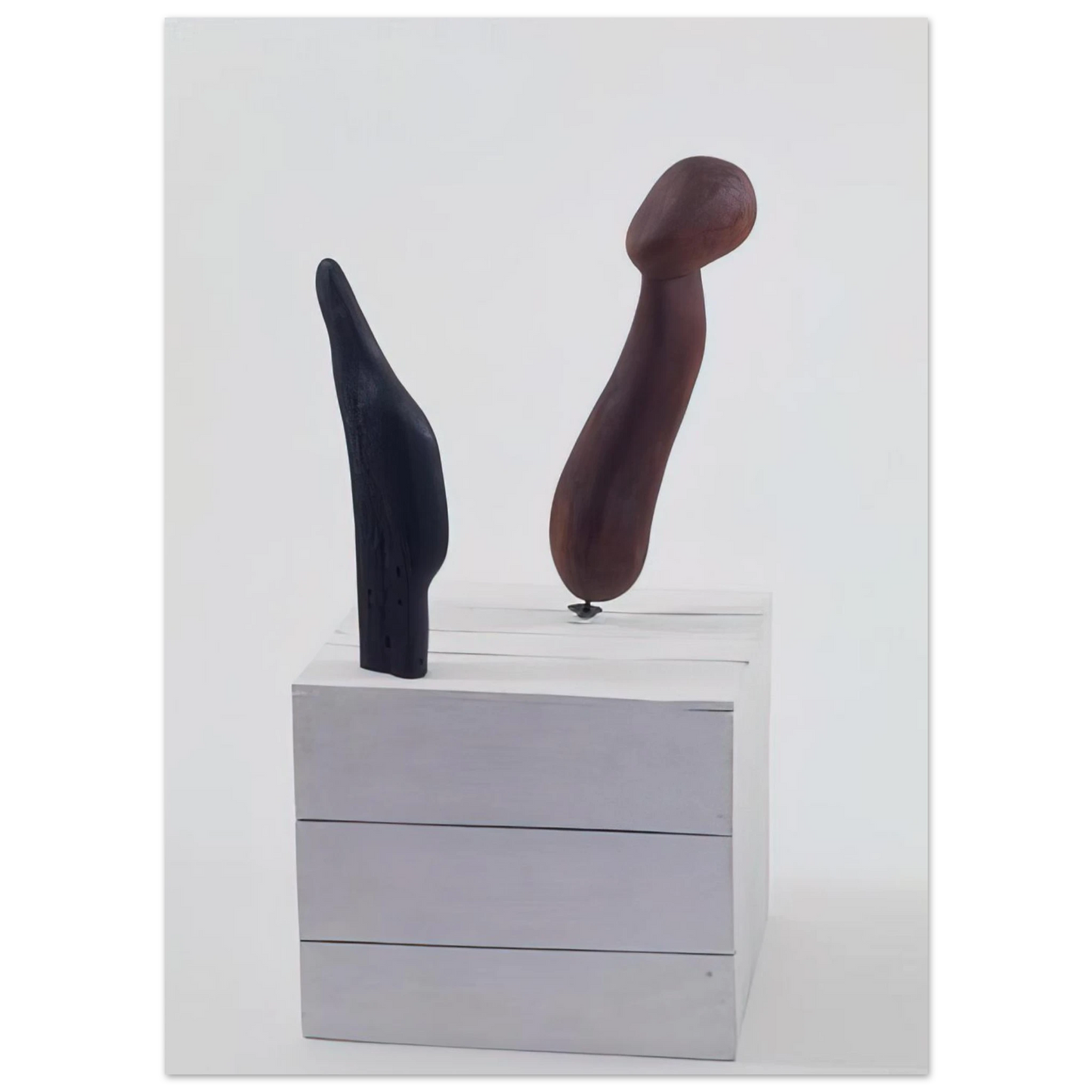
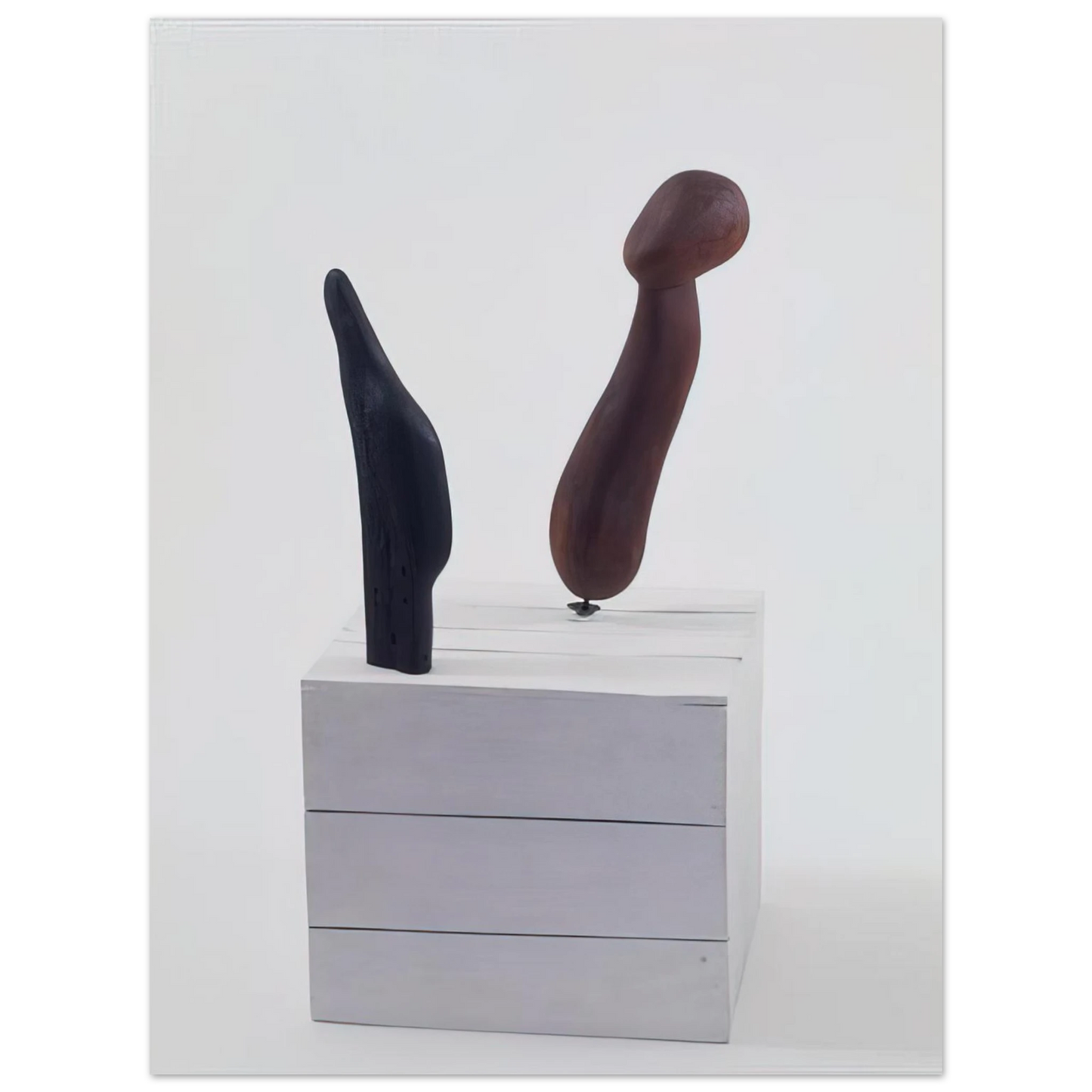
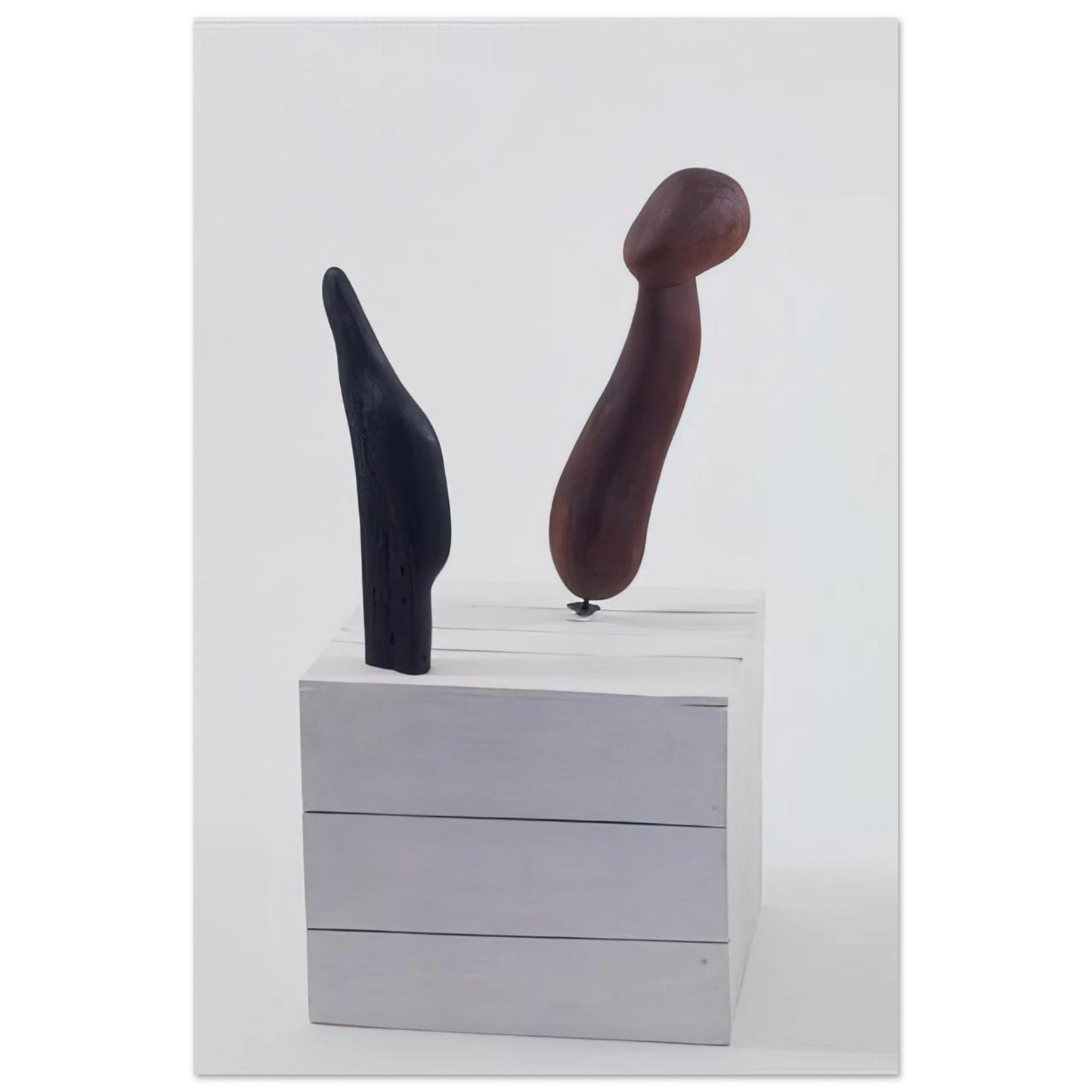
Alexander Calder - MACHINE MOTORISEE 1933 Fine Art Poster
Alexander Calder - MACHINE MOTORISEE 1933 Fine Art Poster
Couldn't load pickup availability
Experience the Rhythmic Precision of Alexander Calder’s 'Machine Motorisée' (1933)
Alexander Calder, the visionary pioneer of kinetic art, redefined the spatial relationship between sculpture and the viewer. His 1933 masterpiece, 'Machine Motorisée', represents a pivotal moment in the avant-garde movement, where the static nature of traditional art was replaced by the fluid, mechanical grace of early motor-driven compositions. This fine art poster captures the intricate interplay of line, shape, and implied motion that Calder mastered during his residency in Paris, bridging the gap between engineering and abstraction.
At RedKalion, we honor the legacy of this modernist icon by providing a museum-quality reproduction that mirrors the depth and sophistication of the original concept. Our archival prints are designed for the discerning collector who seeks not just a visual piece, but a piece of art history that endures for generations. This 1933 work is particularly significant as it precedes his transition into the wind-driven 'mobiles' that would define his later career, offering a rare glimpse into his fascination with mechanical synchronization.
The RedKalion Archival Standard
- Master's Edition Archival Paper: Crafted for longevity, this museum-quality paper provides a heavy, premium feel suitable for fine art galleries.
- Luxurious Matte Finish: The uncoated, natural white (off-white) surface eliminates glare and offers a tactile, high-end texture that enhances Calder's bold lines.
- Archival Integrity: Acid-free (pH above 7) construction ensures your Calder print remains pristine and vibrant without yellowing over time.
- Substantial Weight: At 250 gsm (110 lb) and a thickness of 0.29 mm (11.4 mils), the print offers a physical presence and durability that exceeds standard posters.
- Ethical Craftsmanship: Every print is produced on FSC-certified paper, aligning artistic beauty with environmental responsibility.
Elevate your space with an archival masterpiece that captures the mechanical soul of the 20th century's most innovative sculptor. Each piece is meticulously printed and shipped on demand by RedKalion, ensuring that your acquisition arrives in flawless condition, ready to transform your environment with the spirit of the modern era.
Discover Unlimited Art Possibilities
At RedKalion, you can find virtually any artwork from any artist, available in a wide range of sizes to perfectly match your space.
If you didn’t find what you’re looking for, contact us at support@redkalion.com . We will source any artwork and produce it in any size and format you need, including art prints, posters, canvas, framed pieces, framed canvas, and more.
For dedicated art enthusiasts, we also offer handcrafted replicas of any artwork, carefully painted by highly skilled artists using traditional techniques.
For custom requests, contact us at support@redkalion.com .
What makes the RedKalion print quality exceptional?
We use Master's Edition archival paper, a museum-quality substrate that ensures every fine art print meets gallery standards for clarity and depth.
How does the matte finish enhance the Alexander Calder print?
Our matte, uncoated, natural white finish provides a luxurious, non-reflective surface that emphasizes the rich pigments and sophisticated lines of Calder's 1933 composition.
Is the paper used for this fine art poster sustainable?
Yes, RedKalion is committed to sustainability. We use FSC-certified paper, ensuring that your archival print is produced through environmentally responsible forestry practices.
Will this archival print yellow or degrade over time?
No. Our prints are acid-free with a pH value above 7, specifically designed to prevent yellowing and maintain structural integrity for decades.
How is my order processed and shipped?
We print and ship on demand with no minimum order requirements, utilizing premium packaging to ensure your museum-quality reproduction arrives in perfect condition.
What is the historical significance of Machine Motorisée 1933?
This work marks Calder’s transition from static sculpture to kinetic art, utilizing motors to explore synchronized movement before he moved toward wind-driven mobiles.
Why is 1933 considered a turning point for Alexander Calder?
In 1933, Calder was deeply immersed in the Parisian avant-garde, refining the mechanical 'mobiles' that would revolutionize 20th-century sculpture and modern abstraction.