RedKalion
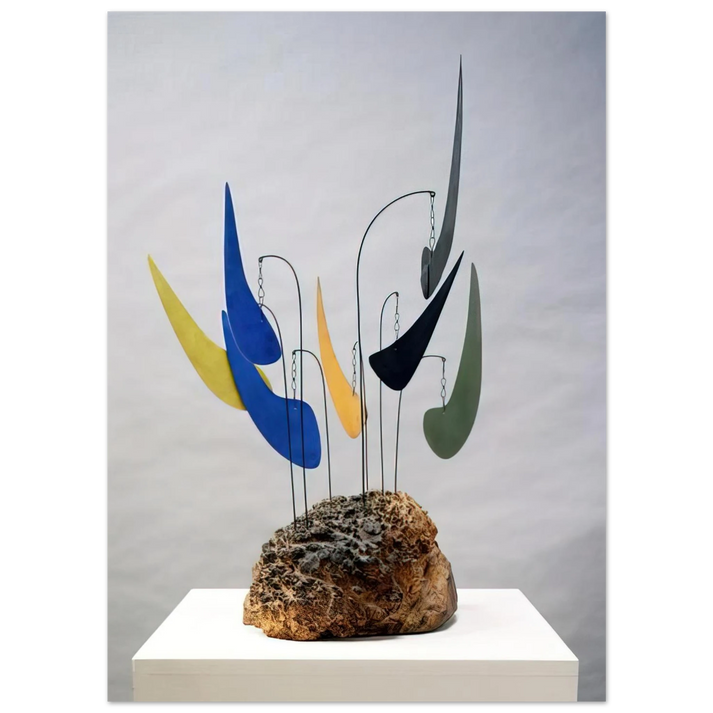
Alexander Calder - MYRTLE BURL 1941 Fine Art Poster
Alexander Calder - MYRTLE BURL 1941 Fine Art Poster
Couldn't load pickup availability
The Convergence of Modernism and Nature: Alexander Calder’s Myrtle Burl (1941)
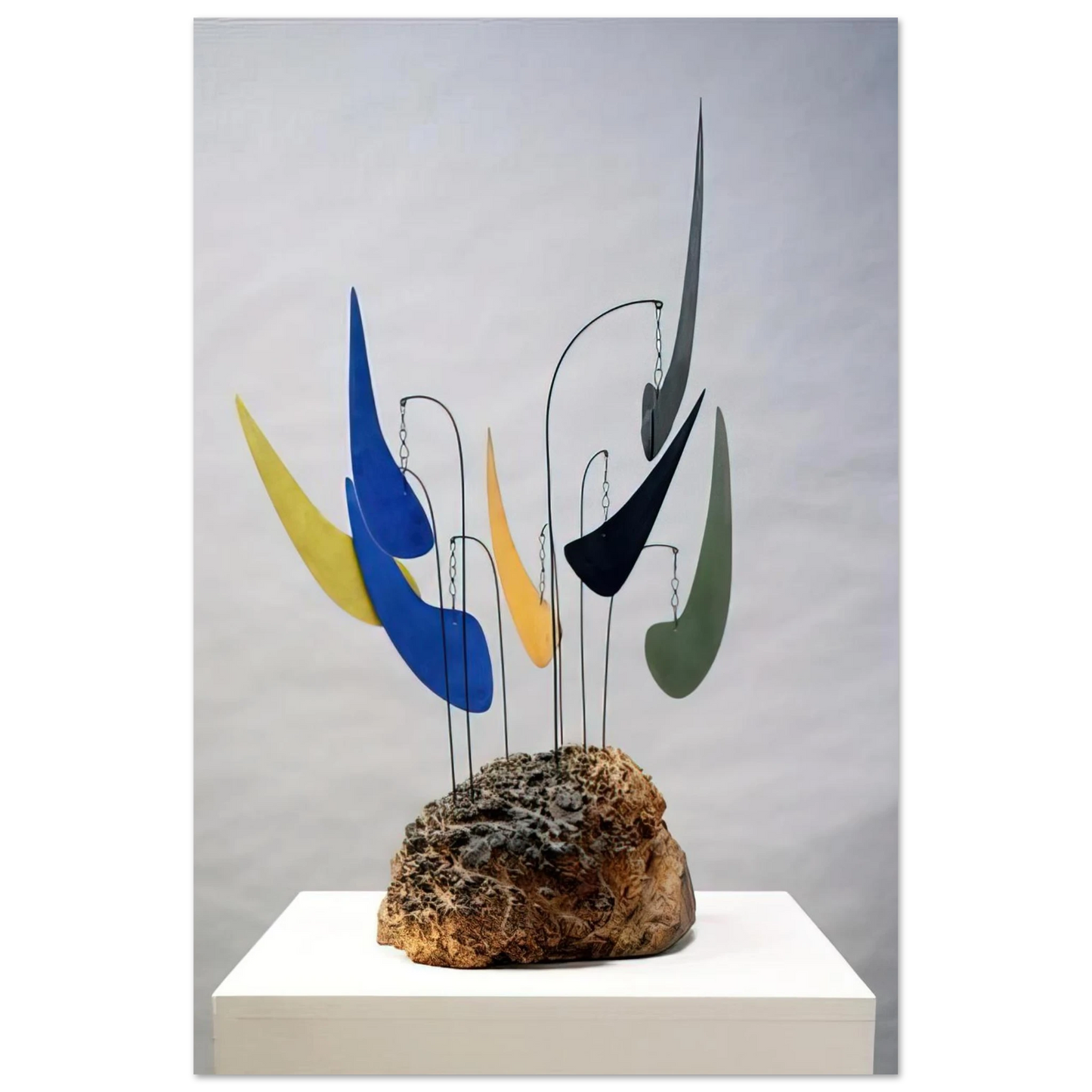
Experience the tactile elegance of Alexander Calder’s 1941 masterpiece, Myrtle Burl. This exquisite fine art print captures a defining era in the career of the man who revolutionized sculpture. During the early 1940s, as industrial materials like sheet metal were diverted toward the war effort, Calder turned his genius toward organic forms—specifically wood and bone. Myrtle Burl is a testament to this transition, showcasing a sophisticated interplay of modernist abstraction and the raw, rhythmic beauty of natural materials.
As a museum-quality reproduction, this fine art poster preserves the subtle tonal shifts and intricate textures inherent in Calder’s original vision. This piece does more than decorate a room; it serves as a conversation starter for those who appreciate the delicate balance between structural engineering and poetic spontaneity. Whether placed in a minimalist study or a contemporary living space, it brings a sense of historical gravity and artistic innovation.
Uncompromising Quality for the Discerning Collector
At RedKalion, we believe that world-class art deserves world-class materials. This Alexander Calder fine art print is produced using our Master's Edition archival standards to ensure your investment lasts for generations. Our commitment to excellence is reflected in every fiber of the paper:
- Master's Edition Archival Paper: A museum-quality, natural white (off-white) base that provides a luxurious feel and stunning depth.
- Matte Finish: An uncoated, non-reflective surface that allows the artwork’s details to shine without the distraction of glare.
- Substantial Weight: At 250 gsm (110 lb) and 0.29 mm thickness, this print possesses a premium physical presence.
- Archival Longevity: Acid-free (pH above 7) composition prevents yellowing and degradation over time.
- Sustainable Excellence: Printed on FSC-certified paper, ensuring that your passion for art supports the health of the planet.
Elevate your environment with an archival masterpiece that endures. RedKalion is proud to offer this meticulous reproduction, curated for those who seek to bridge the gap between historical significance and modern interior design.


Discover Unlimited Art Possibilities
At RedKalion, you can find virtually any artwork from any artist, available in a wide range of sizes to perfectly match your space.
If you didn’t find what you’re looking for, contact us at support@redkalion.com . We will source any artwork and produce it in any size and format you need, including art prints, posters, canvas, framed pieces, framed canvas, and more.
For dedicated art enthusiasts, we also offer handcrafted replicas of any artwork, carefully painted by highly skilled artists using traditional techniques.
For custom requests, contact us at support@redkalion.com .
What is the quality of the paper used for this Alexander Calder print?
We use Master's Edition archival paper, a museum-quality 250 gsm (110 lb) natural white paper. This heavy-duty stock provides a luxurious, high-end feel and exceptional durability for fine art reproductions.
Is the Myrtle Burl 1941 print archival-grade?
Yes. The paper is acid-free with a pH value above 7, meaning it will not yellow or become brittle over time, ensuring the artwork remains in pristine condition for decades.
What kind of finish does the poster have?
This print features a sophisticated matte, uncoated finish. This creates a non-reflective surface that highlights the organic textures of Calder's work without any glare from interior lighting.
How is my order fulfilled and shipped?
All RedKalion prints are printed and shipped on demand with no minimum order requirements. We use robust packaging to ensure your museum-quality reproduction arrives in perfect condition.
Does this print meet sustainability standards?
Absolutely. We use FSC-certified paper (Forest Stewardship Council), which guarantees that the materials used in your print are sourced from responsibly managed forests.
What is the historical significance of Calder's 1941 Myrtle Burl?
In 1941, during WWII, metal was scarce. Calder pivoted to using wood and organic materials. Myrtle Burl represents this rare 'wood' period, emphasizing static, organic forms over his traditional kinetic metal sculptures.
Who was Alexander Calder and why is this piece important?
Alexander Calder was an American sculptor known as the originator of the mobile. This piece, Myrtle Burl, showcases his ability to find abstract beauty in natural objects, blending modernist form with earthy textures.