RedKalion
Alexander Calder - PARASITE 1947 Fine Art Poster
Alexander Calder - PARASITE 1947 Fine Art Poster
Couldn't load pickup availability
Elevate Your Space with Alexander Calder’s 'Parasite' (1947)
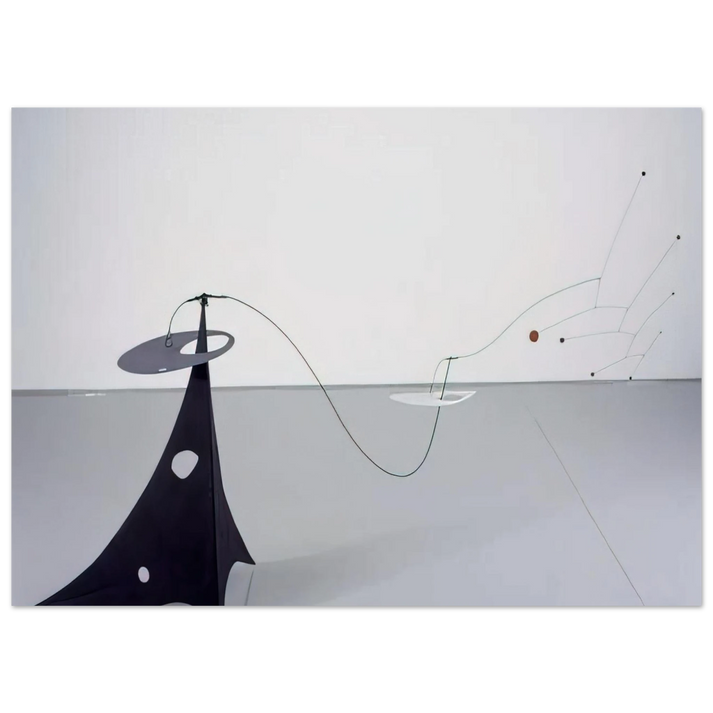
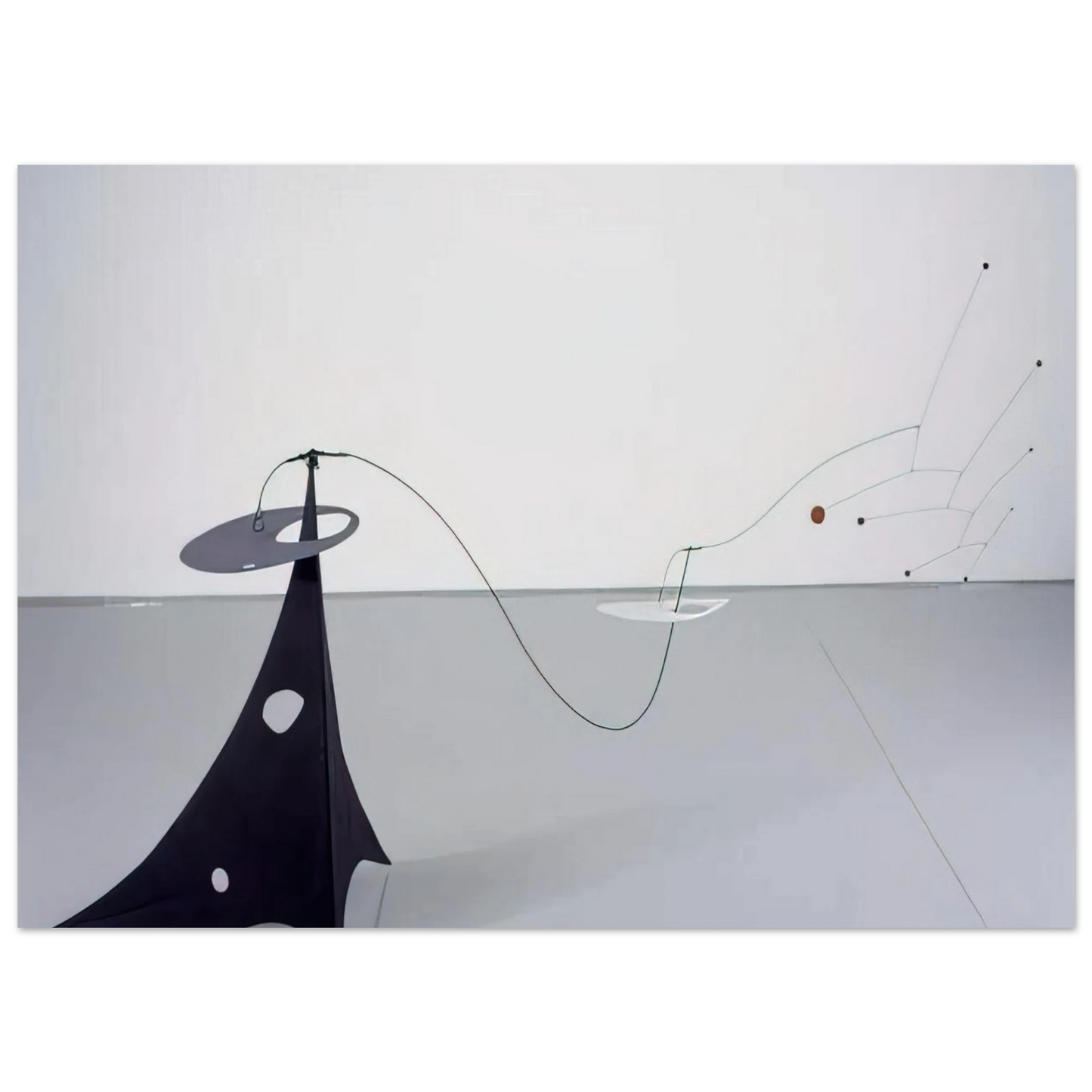
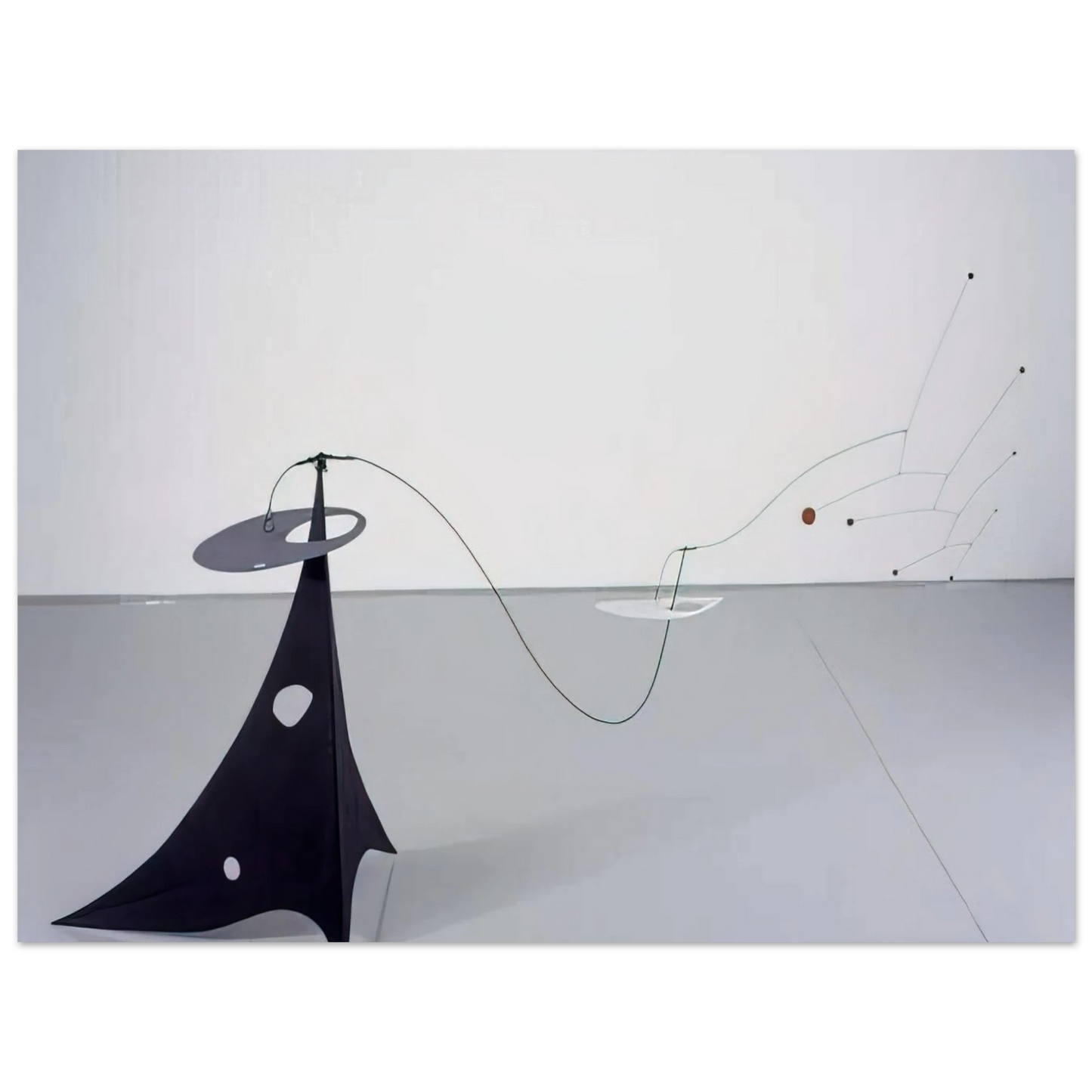
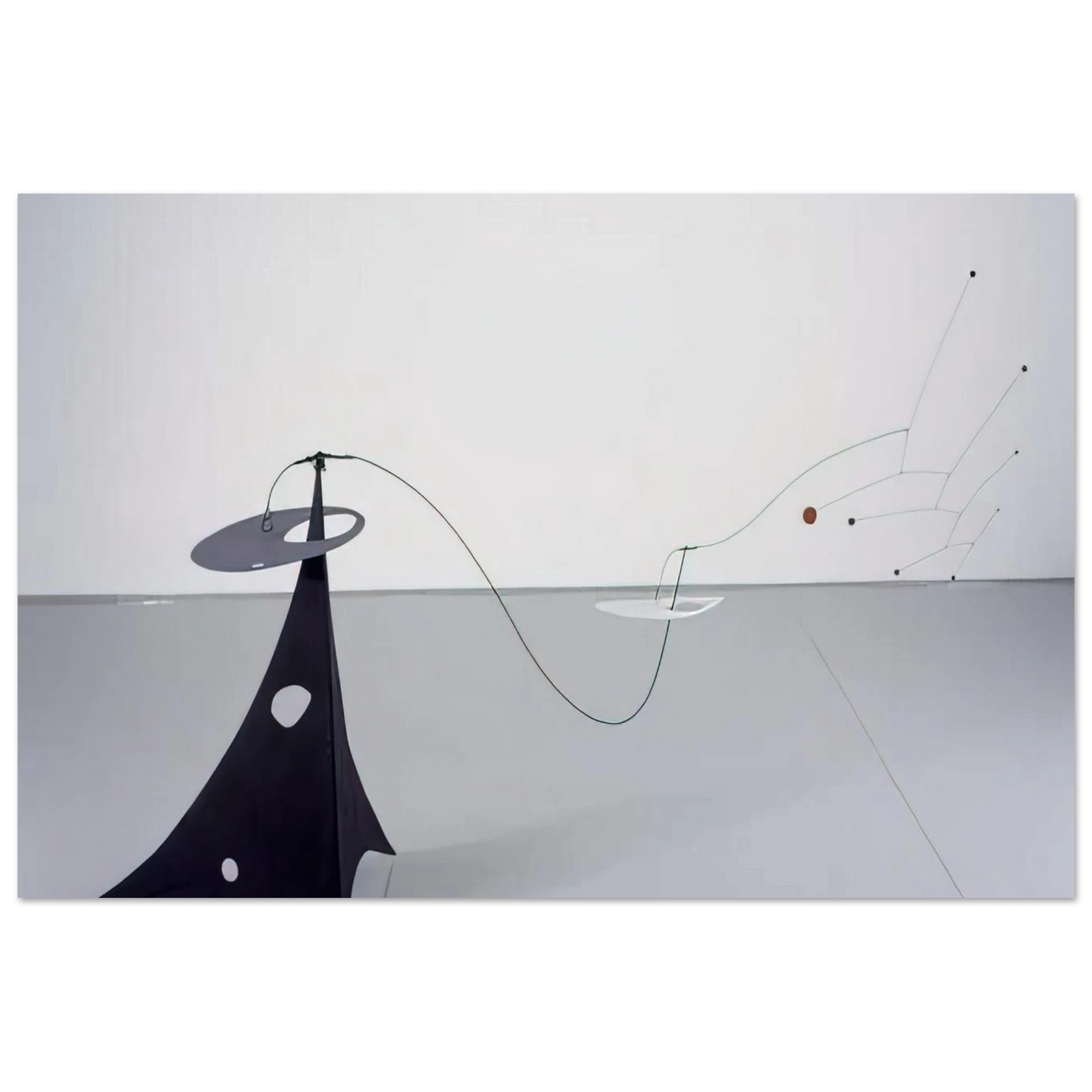
Experience the kinetic energy and rhythmic balance of Alexander Calder with our museum-quality reproduction of Parasite (1947). As a pioneer of kinetic art and the inventor of the mobile, Calder brought a revolutionary sense of movement to two-dimensional spaces. This fine art print captures the quintessential mid-century modern aesthetic, utilizing Calder's iconic palette of primary colors and bold, organic forms that seem to vibrate with life.
At RedKalion, we believe such an influential piece of art history deserves a presentation of equal caliber. Our fine art print of 'Parasite' is produced on our exclusive Master's Edition archival paper. This premium, off-white paper offers a luxurious matte finish that eliminates glare while providing a tactile, uncoated texture. Every curve and line of Calder’s 1947 masterpiece is rendered with absolute precision, ensuring that the avant-garde spirit of the original is preserved for the modern collector.
The Artistry Behind the Print
By 1947, Calder had perfected the dialogue between weight and weightlessness. 'Parasite' is a masterclass in visual equilibrium, exploring the tension between interconnected shapes. To honor this legacy, our reproductions utilize acid-free (pH above 7) materials to ensure the paper does not yellow or degrade, maintaining the integrity of the artwork for generations. Each print is a testament to durability and sophistication.
- Paper Quality: 250 gsm (110 lb) Master's Edition archival paper.
- Texture: Luxurious matte, natural white finish for an authentic feel.
- Sustainability: FSC-certified paper, printed and shipped on demand with no minimums.
- Longevity: Acid-free composition ensures your investment endures without fading.
Discover Unlimited Art Possibilities
At RedKalion, you can find virtually any artwork from any artist, available in a wide range of sizes to perfectly match your space.
If you didn’t find what you’re looking for, contact us at support@redkalion.com . We will source any artwork and produce it in any size and format you need, including art prints, posters, canvas, framed pieces, framed canvas, and more.
For dedicated art enthusiasts, we also offer handcrafted replicas of any artwork, carefully painted by highly skilled artists using traditional techniques.
For custom requests, contact us at support@redkalion.com .
What defines the quality of this Alexander Calder print?
This reproduction is printed on our 250 gsm Master's Edition archival paper. It features a luxurious matte, natural white finish and a thickness of 0.29 mm, ensuring a museum-quality feel that captures the bold lines of Calder's 1947 work.
Is the paper used for 'Parasite 1947' sustainable?
Yes, RedKalion uses FSC-certified paper for all our fine art prints. This ensures the paper is sourced from responsibly managed forests, aligning world-class art with environmental stewardship.
How long will this fine art reproduction last?
Our prints are archival-grade and acid-free (pH above 7). This prevents the paper from yellowing or becoming brittle over time, ensuring your Alexander Calder 'Parasite' print remains vibrant for decades.
How is my RedKalion order fulfilled and shipped?
We print each order on demand with no minimum requirements. Your artwork is carefully packaged and shipped to ensure it arrives in pristine condition, ready to elevate your interior design.
What is the finish of the 'Parasite 1947' poster?
The print features a matte, uncoated finish. This provides a sophisticated, non-reflective surface that enhances the depth of the ink and the natural off-white texture of the museum-grade paper.
What does the title 'Parasite' signify in Calder's 1947 work?
In Calder's visual language, 'Parasite' refers to the interconnectedness of forms. One shape appears to 'live' off the balance of another, creating a symbiotic relationship of line and color characteristic of his kinetic philosophy.
How does this print reflect Calder's contribution to Mid-Century Modernism?
Calder’s use of primary colors and biomorphic shapes in 'Parasite' helped define the Mid-Century Modern movement. This print serves as a bridge between abstract sculpture and graphic design, representing the height of 1940s avant-garde art.