RedKalion
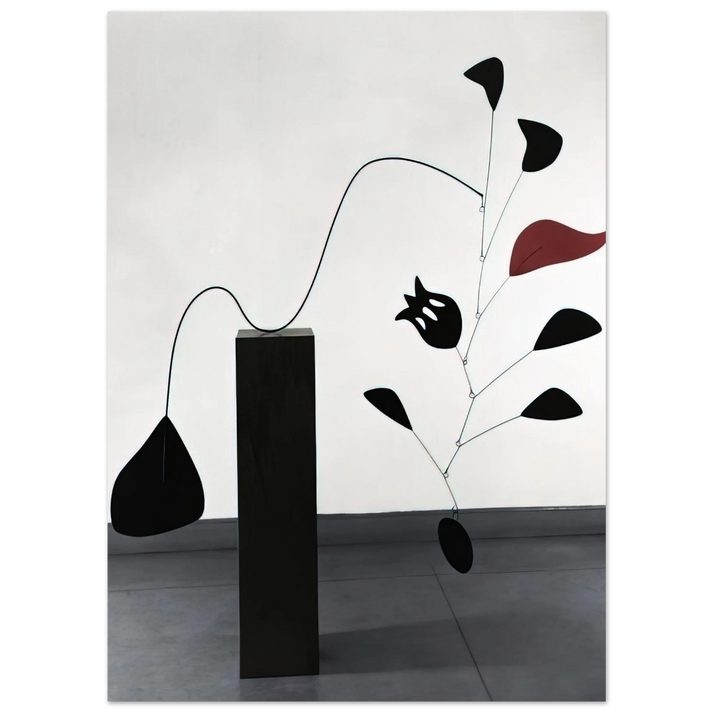
Alexander Calder - POMEGRANATE 1949 Fine Art Poster
Alexander Calder - POMEGRANATE 1949 Fine Art Poster
Couldn't load pickup availability
The Kinetic Spirit of Alexander Calder’s Pomegranate (1949)
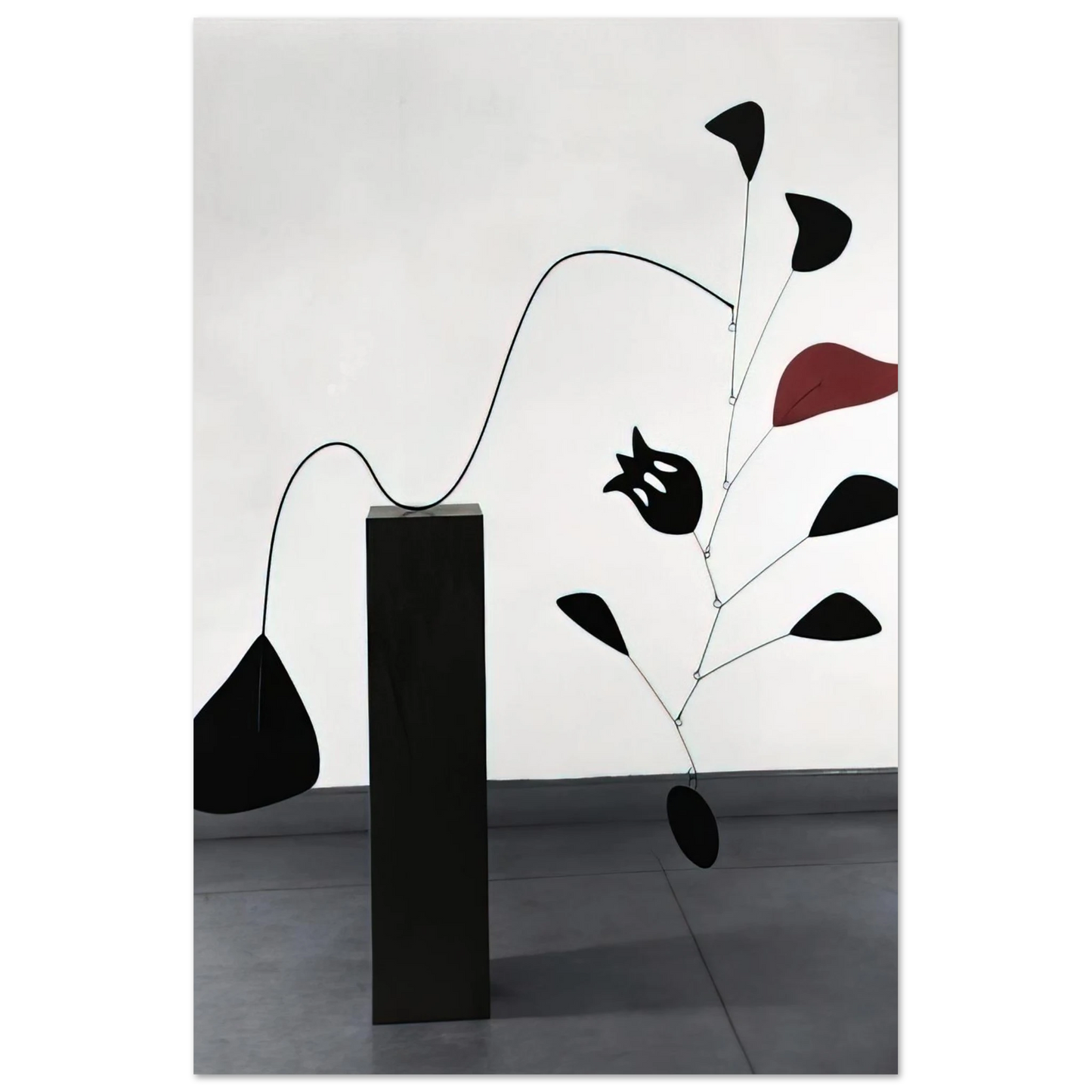
Alexander Calder’s Pomegranate (1949) represents a pivotal moment in mid-century modernism, where the artist successfully translated the ethereal balance of his famous mobiles into the two-dimensional realm. This iconic Alexander Calder fine art print captures the organic, biomorphic shapes and primary-driven palette that defined Calder’s vocabulary. By stripping form to its essential essence, Calder invites the viewer into a rhythmic dance of weight and weightlessness, making this piece a cornerstone for any serious collector of abstract art.
RedKalion is proud to present this museum-quality reproduction, curated for those who appreciate the historical gravity of the avant-garde. Our edition honors Calder’s legacy by utilizing sophisticated printing techniques that preserve the integrity of his bold, saturated hues and precise linework. This is not merely a poster; it is an archival piece designed to serve as a focal point in a curated interior, bridging the gap between historical significance and contemporary aesthetic.
Master’s Edition Technical Excellence
To ensure this Alexander Calder Pomegranate 1949 print endures for generations, RedKalion employs the highest standards of archival production. Each piece is rendered on our signature Master's Edition paper, chosen for its tactile luxury and exceptional color depth. Elevate your space with an archival masterpiece that endures through time and trend.
- Archival Grade: Acid-free paper with a pH above 7 to ensure long-term stability and prevent yellowing.
- Premium Weight: A substantial 250 gsm (110 lb) thickness for a true gallery feel.
- Elegant Finish: A matte, uncoated, natural white surface that eliminates glare and enhances the richness of the ink.
- Sustainable Integrity: Printed on FSC-certified paper, reflecting a commitment to both art and the environment.
- Precision Detail: A 0.29 mm (11.4 mils) thickness ensures the print remains flat and impressive when framed.


Discover Unlimited Art Possibilities
At RedKalion, you can find virtually any artwork from any artist, available in a wide range of sizes to perfectly match your space.
If you didn’t find what you’re looking for, contact us at support@redkalion.com . We will source any artwork and produce it in any size and format you need, including art prints, posters, canvas, framed pieces, framed canvas, and more.
For dedicated art enthusiasts, we also offer handcrafted replicas of any artwork, carefully painted by highly skilled artists using traditional techniques.
For custom requests, contact us at support@redkalion.com .
What makes the RedKalion Pomegranate print museum-quality?
Our Pomegranate fine art poster is printed on Master's Edition archival paper. This 250 gsm (110 lb) natural white paper provides a luxurious, uncoated matte finish that captures every nuance of Calder’s bold color palette without distracting glare.
Will the colors of my Alexander Calder print fade over time?
No. We use acid-free paper with a pH level above 7, specifically designed to prevent yellowing and degradation. This ensures your museum-quality reproduction maintains its vibrant primary tones and deep blacks for decades.
What are the physical specifications of the paper?
The print features a thickness of 0.29 mm (11.4 mils) and a weight of 250 gsm. The natural white (off-white) base provides a sophisticated, non-reflective background that complements mid-century modern aesthetics perfectly.
How is my fine art print packaged and shipped?
RedKalion utilizes robust, protective packaging to ensure your print arrives in pristine condition. There are no minimum orders, and each piece is printed and shipped on demand to maintain the highest quality control.
Is the paper used for this print environmentally friendly?
Yes, we prioritize sustainability. All Alexander Calder prints are produced on FSC-certified paper, ensuring that your art acquisition supports responsible forest management and environmental stewardship.
What is the significance of the year 1949 in Calder's career?
1949 was a peak period for Calder, marked by his major exhibition at the Margaret Brown Gallery. During this time, his 'mobiles' and 'stabiles' reached a refined maturity, influencing the graphic style seen in Pomegranate.
How does Calder represent the pomegranate in this abstract work?
Calder uses biomorphic abstraction—geometric yet organic shapes—to represent the essence of fruit. The balance of red and black forms mimics the internal structure and seeds of a pomegranate through his signature kinetic lens.