RedKalion
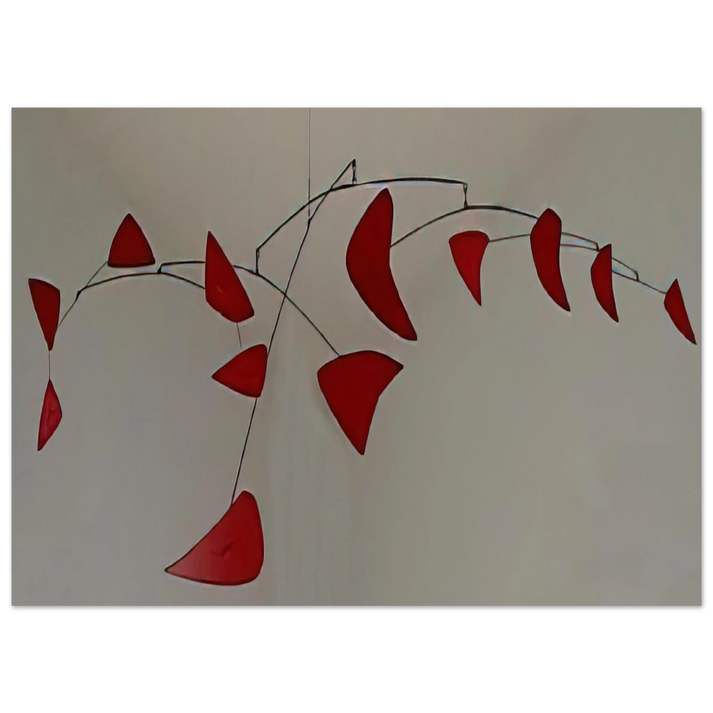
Alexander Calder - RED MOBILE 1956 Fine Art Poster
Alexander Calder - RED MOBILE 1956 Fine Art Poster
Couldn't load pickup availability
The Harmonic Balance of Alexander Calder's Red Mobile (1956)
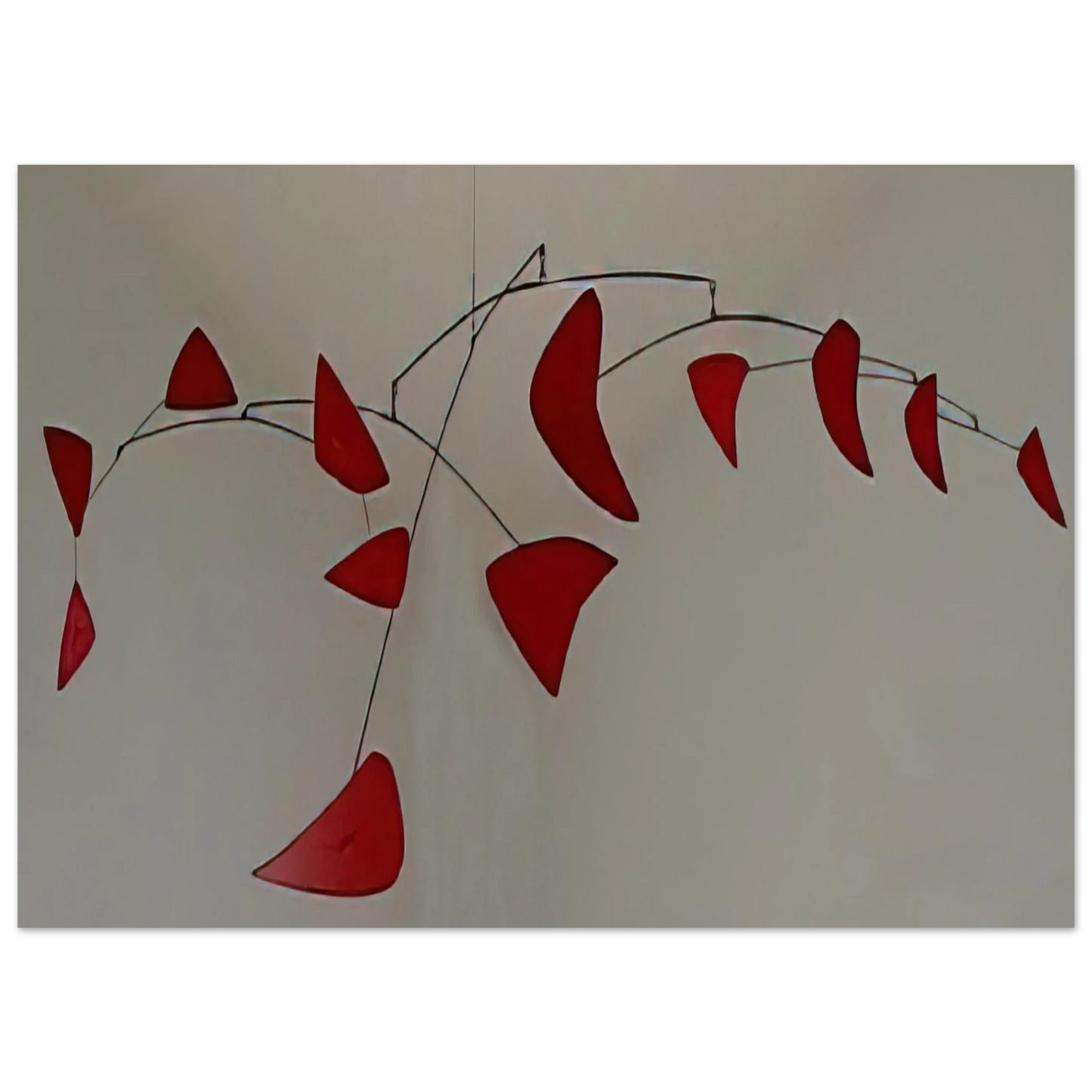
Experience the ethereal dance of mid-century modernism with our Alexander Calder - RED MOBILE 1956 Fine Art Poster. This museum-quality reproduction captures the essence of Calder’s revolutionary kinetic art, where static forms yield to the graceful flow of air and gravity. Originally conceived during the height of Calder's creative maturity, Red Mobile is a study in equilibrium and the vibrant resonance of primary red pigments.
As an elite curator of archival art, RedKalion presents this piece as more than a mere print; it is a meticulously crafted homage to the artist who 'drew in space.' This fine art poster is ideal for collectors seeking to elevate their space with an archival masterpiece that reflects the sophistication of 20th-century abstraction.
Uncompromising Material Excellence
At RedKalion, we believe that world-class art deserves world-class materials. Our museum-quality reproductions are engineered for longevity and aesthetic depth, ensuring that every curve and hue of Calder's mobile is rendered with absolute fidelity. The print utilizes our Master's Edition archival paper, chosen for its luxurious texture and superior performance.
- Archival Longevity: Acid-free (pH above 7) to prevent yellowing or degradation over decades.
- Premium Weight: A substantial 250 gsm (110 lb) paper provides a heavy, high-end feel.
- Sophisticated Finish: The matte, uncoated natural white finish eliminates glare while enhancing the depth of the iconic red palette.
- Sustainable Craftsmanship: Printed on FSC-certified paper, reflecting a commitment to both art and the environment.
Each order is printed on-demand with no minimums, ensuring a bespoke level of quality control before the piece is delivered to your door. Invest in a piece of history and allow the balanced geometry of Alexander Calder to transform your interior landscape.
Discover Unlimited Art Possibilities
At RedKalion, you can find virtually any artwork from any artist, available in a wide range of sizes to perfectly match your space.
If you didn’t find what you’re looking for, contact us at support@redkalion.com . We will source any artwork and produce it in any size and format you need, including art prints, posters, canvas, framed pieces, framed canvas, and more.
For dedicated art enthusiasts, we also offer handcrafted replicas of any artwork, carefully painted by highly skilled artists using traditional techniques.
For custom requests, contact us at support@redkalion.com .
What defines the paper quality of this Alexander Calder print?
We use Master's Edition archival paper, a museum-quality 250 gsm (110 lb) stock. At 0.29 mm thick, this premium paper ensures your Alexander Calder Red Mobile 1956 poster has a substantial, high-end presence.
Will the colors of my Red Mobile 1956 print fade over time?
No. Our prints are acid-free with a pH above 7, specifically designed to prevent yellowing and preserve color integrity. This archival standard ensures your fine art reproduction remains vibrant for generations.
What is the texture and finish of the poster?
The print features a matte, uncoated finish on a natural white (off-white) base. This luxurious texture prevents glare and highlights the delicate balance of Calder's mid-century aesthetic.
Is the paper used for this fine art print sustainable?
Yes, RedKalion utilizes FSC-certified paper for all Alexander Calder prints. This ensures that your museum-quality reproduction is sourced from responsibly managed forests that provide environmental and social benefits.
How is my order fulfilled and shipped?
Each print is produced on-demand with no minimum order requirements. This ensures every piece meets our strict quality standards before being securely packaged and shipped directly to your location.
What is the historical significance of Calder's Red Mobile 1956?
Red Mobile (1956) is a landmark of kinetic art, showcasing Calder's transition from stationary 'stabiles' to moving sculptures. It embodies the mid-century modern obsession with movement, air, and organic geometry.
How did Alexander Calder influence modern sculpture with his mobiles?
Calder redefined sculpture by introducing actual movement. By using primary colors and wire-balanced forms, he moved art away from static mass and toward a dynamic, four-dimensional experience of space and time.