RedKalion
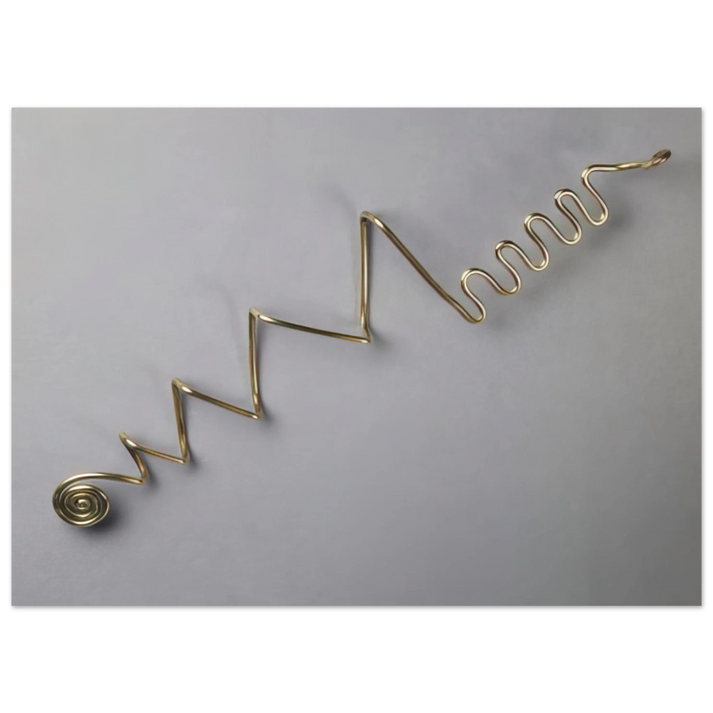
Alexander Calder - SCISSOR GUARD 1940 Fine Art Poster
Alexander Calder - SCISSOR GUARD 1940 Fine Art Poster
Couldn't load pickup availability
Alexander Calder - SCISSOR GUARD (1940): A Masterpiece of Abstract Tension
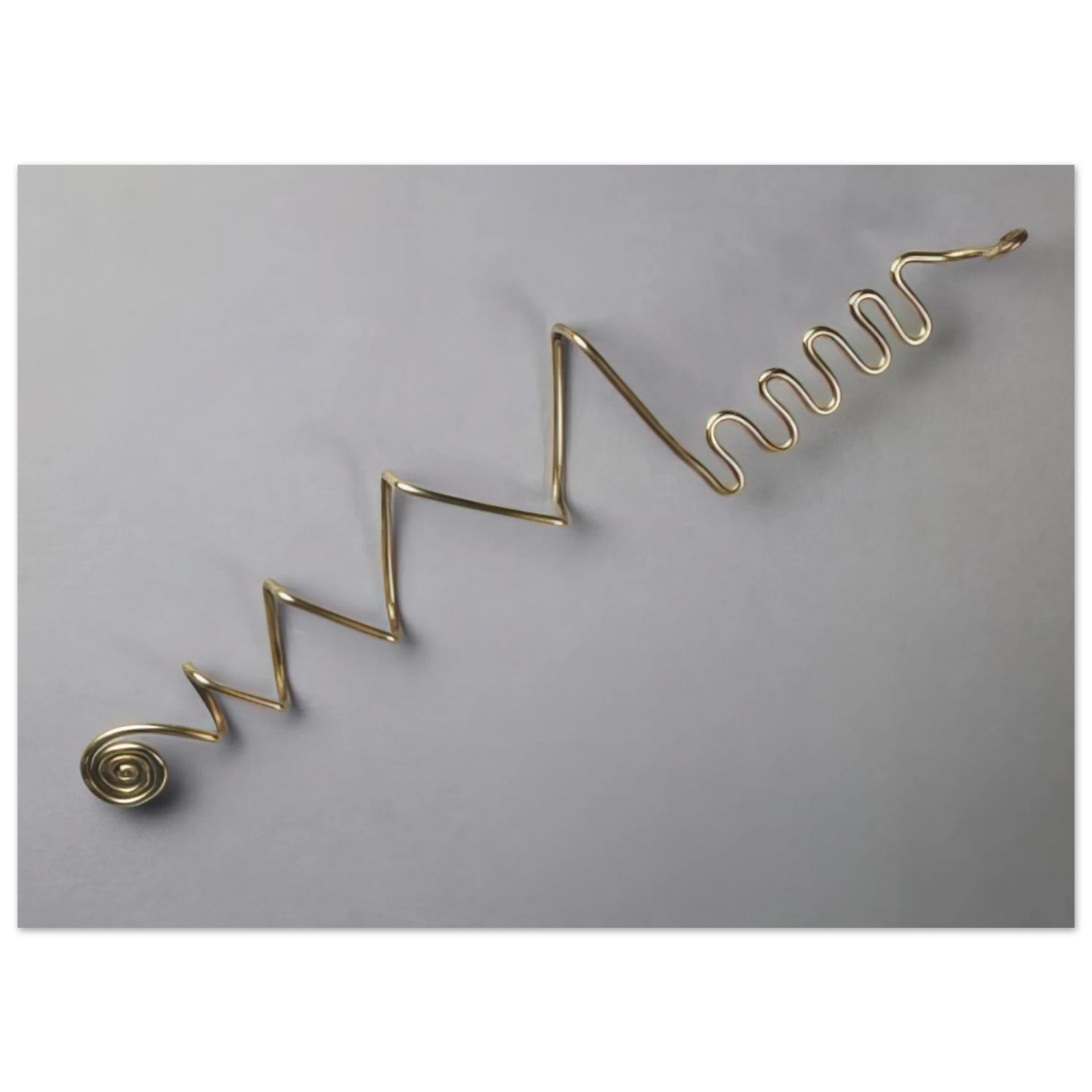
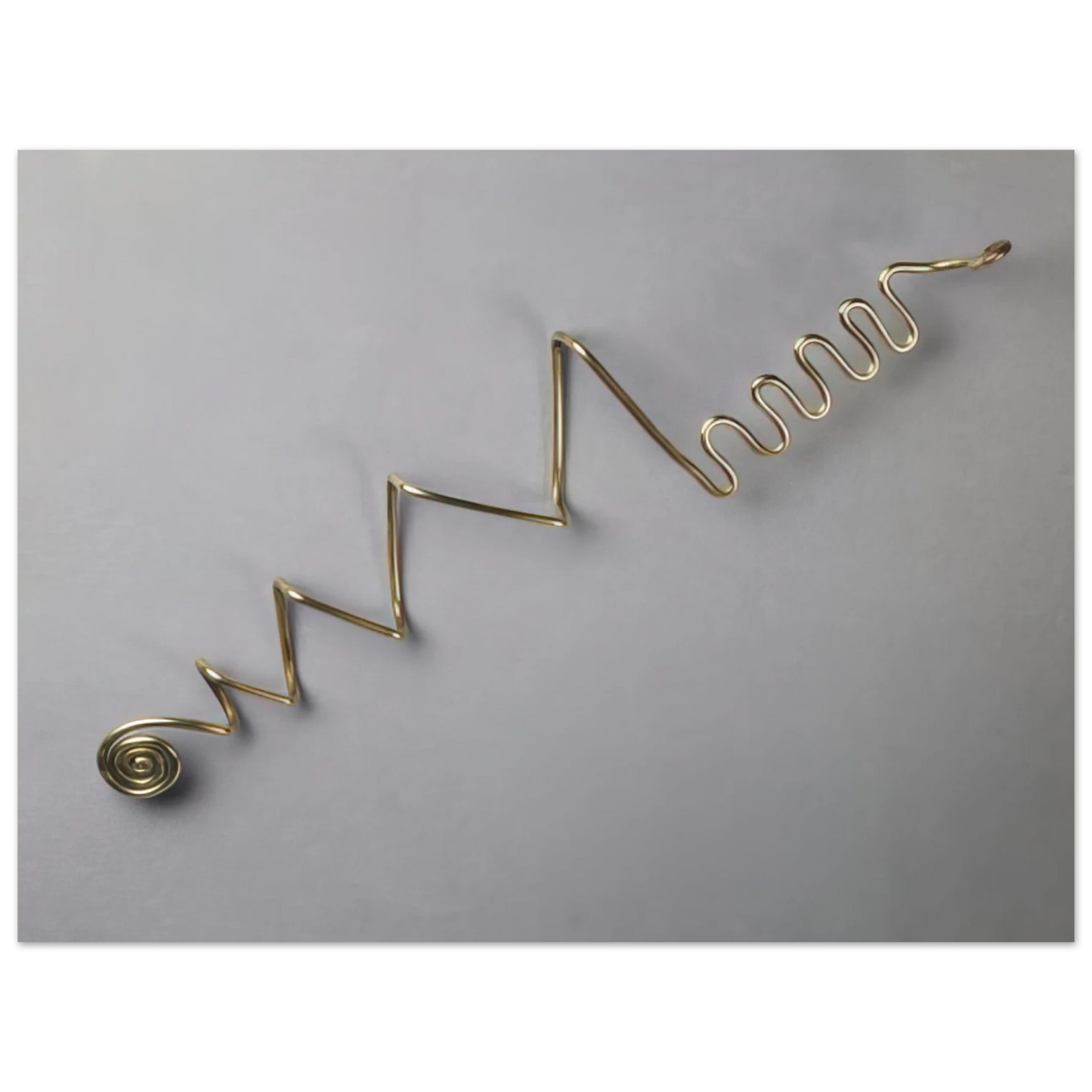
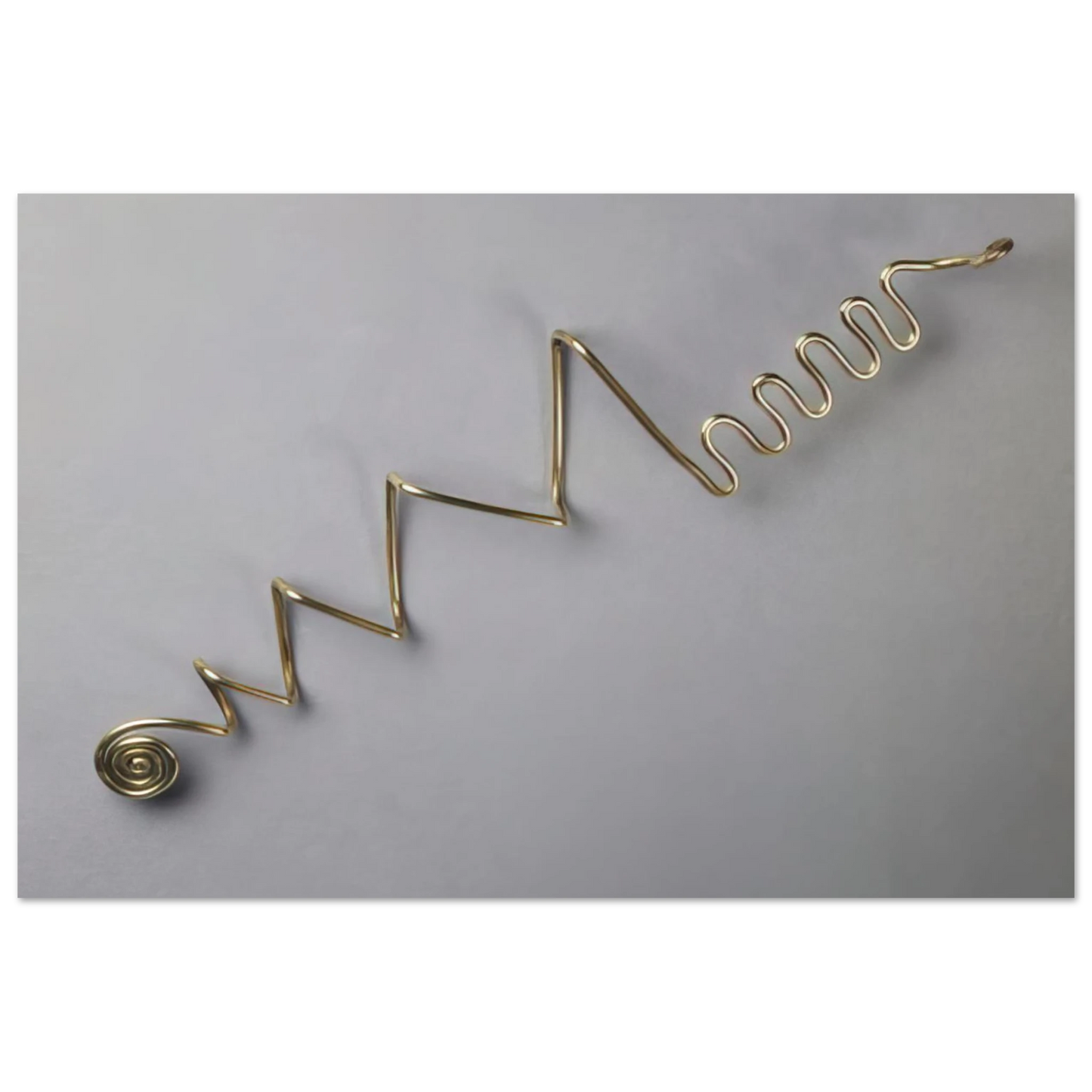
Immerse your space in the revolutionary spirit of mid-century modernism with our museum-quality reproduction of Alexander Calder's 'SCISSOR GUARD' (1940). As a pioneer of kinetic sculpture and abstract form, Calder’s 1940 period represents a sophisticated maturation of his visual language, where the interplay of weight, balance, and negative space creates a rhythmic dance on a two-dimensional plane.
This fine art print captures the vibrant energy and precision of the original work. Calder, famously known for his 'mobiles' and 'stabiles,' utilized bold, primary-inspired palettes and organic geometries to redefine the boundaries of modern art. 'SCISSOR GUARD' is a quintessential example of his ability to suggest movement through static lines, making it a timeless addition for discerning collectors and interior enthusiasts alike.
RedKalion Archival Excellence
At RedKalion, we believe a masterpiece deserves to be presented on a medium that honors the artist's original intent. This Alexander Calder reproduction is crafted using our Master's Edition archival paper, ensuring a legacy of beauty that endures for generations.
- Paper Weight: Substantial 250 gsm (110 lb) for a premium, heavy-weight feel.
- Luxe Finish: A matte, uncoated, natural white (off-white) surface that eliminates glare and highlights deep pigment tones.
- Archival Integrity: Acid-free (pH above 7) materials prevent yellowing and degradation over time.
- Sustainable Luxury: Printed on FSC-certified paper, aligning artistic appreciation with environmental responsibility.
- Precision Craftsmanship: Each piece is printed and shipped on demand with a thickness of 0.29 mm (11.4 mils) for structural rigidity.
Elevate your interior with an archival masterpiece that reflects the authority of 20th-century abstraction. This is more than a poster; it is a curated fragment of art history, meticulously reproduced for the contemporary home.
Discover Unlimited Art Possibilities
At RedKalion, you can find virtually any artwork from any artist, available in a wide range of sizes to perfectly match your space.
If you didn’t find what you’re looking for, contact us at support@redkalion.com . We will source any artwork and produce it in any size and format you need, including art prints, posters, canvas, framed pieces, framed canvas, and more.
For dedicated art enthusiasts, we also offer handcrafted replicas of any artwork, carefully painted by highly skilled artists using traditional techniques.
For custom requests, contact us at support@redkalion.com .
What is the paper quality of the Alexander Calder Scissor Guard print?
The print is produced on our Master's Edition archival paper. It is a premium 250 gsm (110 lb) weight with a luxurious matte, uncoated finish, providing a natural white texture that enhances the depth of Calder's abstract forms.
How is the longevity of this fine art poster ensured?
We use acid-free paper with a pH level above 7. This archival-grade material prevents the paper from yellowing or becoming brittle over time, ensuring your museum-quality reproduction remains vibrant for decades.
Is the paper used for this Calder reproduction sustainable?
Yes, RedKalion is committed to environmental stewardship. This print utilizes FSC-certified paper (or equivalent regional certifications), ensuring that the materials are sourced from responsibly managed forests.
How is my Alexander Calder artwork shipped?
Each order is printed on demand to ensure the highest quality control and is shipped in robust, protective packaging to prevent damage during transit. There are no minimum order requirements for our fulfillment process.
Does the print include a frame?
This product is sold as a standalone fine art print. Its standard sizing and substantial 0.29 mm thickness make it ideal for professional framing or contemporary clip-mounting to suit your specific decor.
What does 'Scissor Guard' represent in Calder's 1940 collection?
'Scissor Guard' (1940) illustrates Calder’s transition toward more complex, intersecting abstract shapes. It reflects his fascination with mechanical balance and the tension between industrial precision and organic, fluid movement characteristic of his pre-war era.
Why is 1940 considered a significant year for Alexander Calder?
By 1940, Calder had established himself as a leader of the international avant-garde. This period saw him refining the 'stabile'—stationary abstract sculptures—which informed the graphic nature of his prints, blending Surrealist influence with structural engineering.