RedKalion
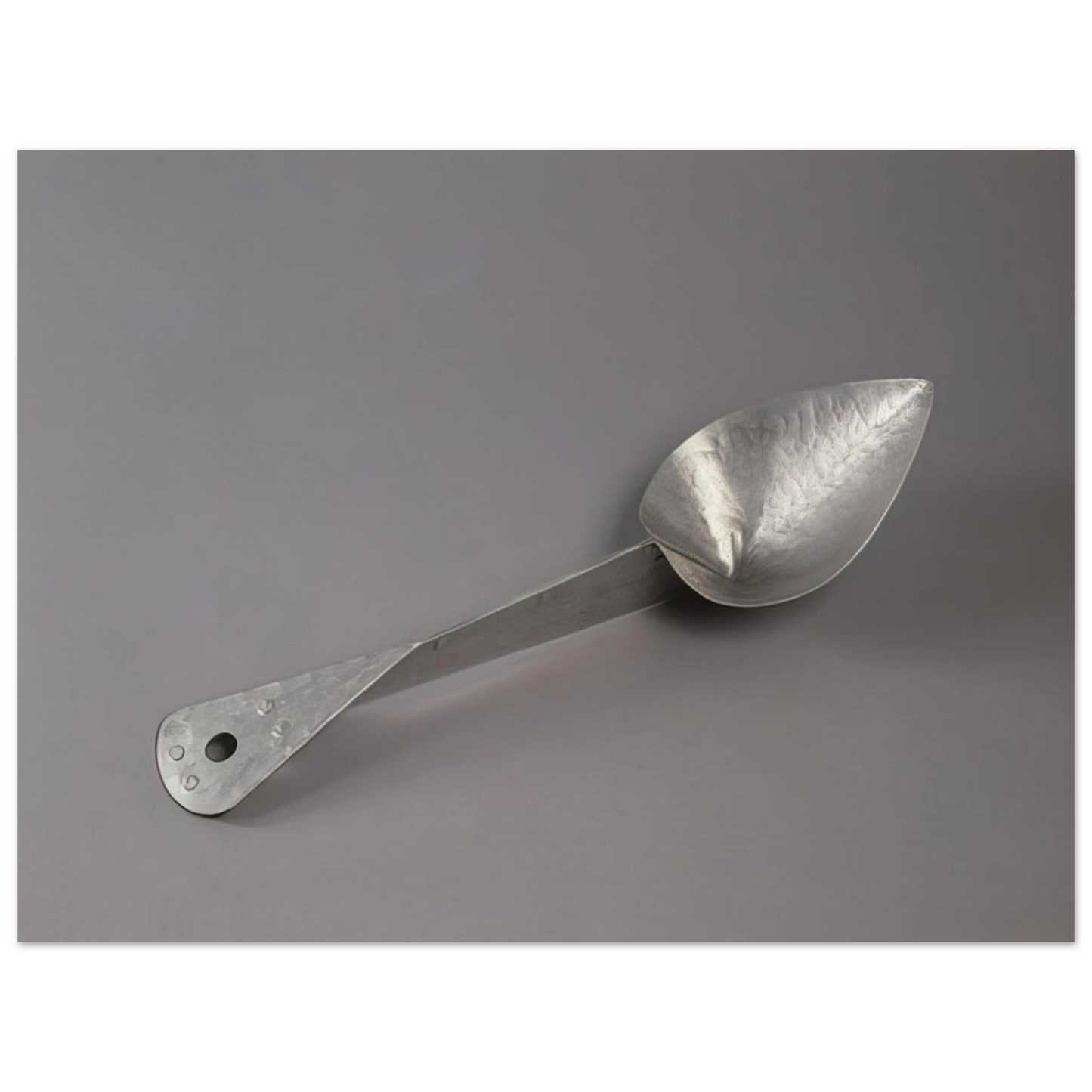
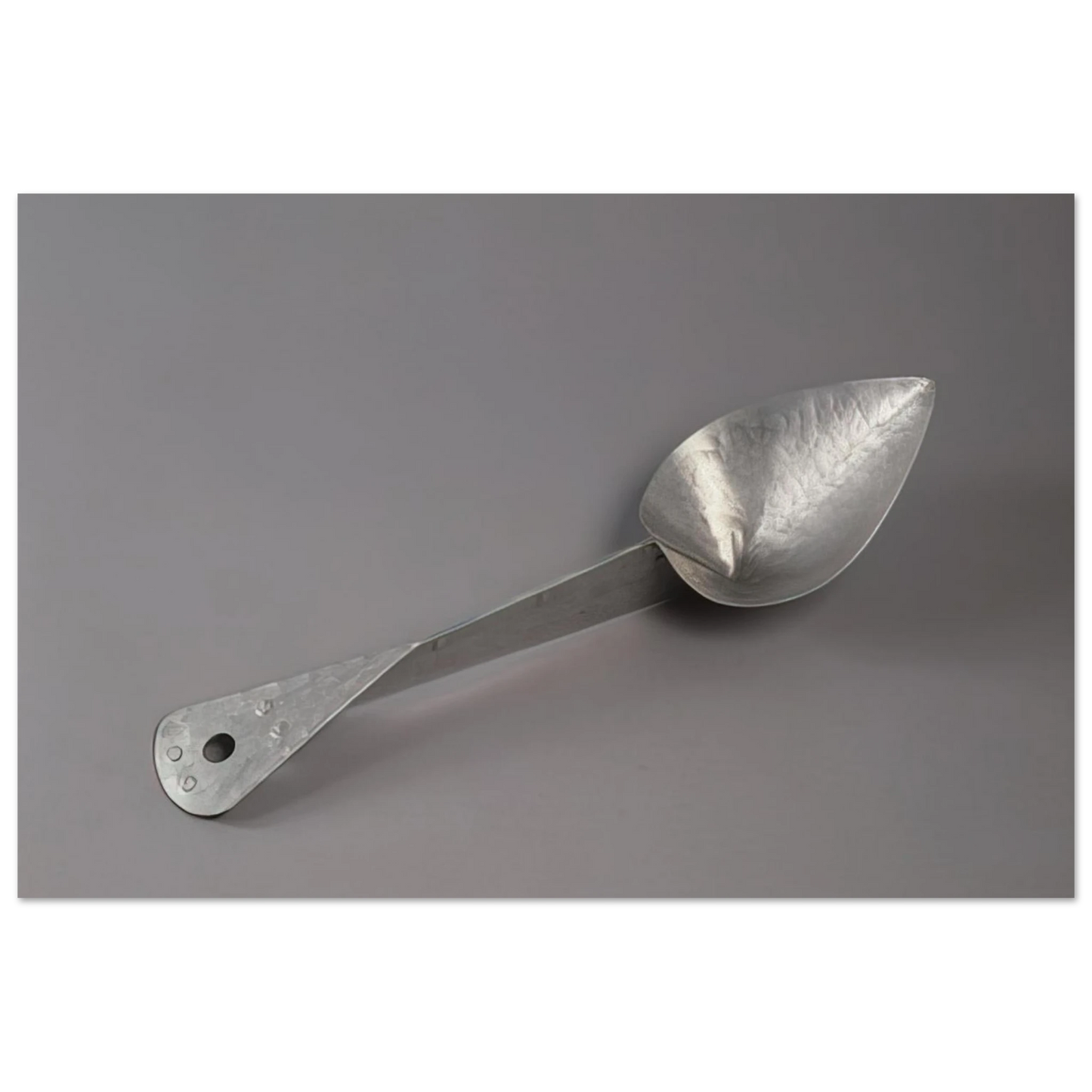
Alexander Calder - SERVING SPOON 1945 Fine Art Poster
Alexander Calder - SERVING SPOON 1945 Fine Art Poster
Couldn't load pickup availability
Alexander Calder: Serving Spoon (1945) – A Masterpiece of Mid-Century Abstraction
Experience the whimsical yet profound geometry of Alexander Calder with this exquisite fine art print of Serving Spoon (1945). While Calder is celebrated globally as the father of the mobile and a pioneer of kinetic sculpture, his works on paper reveal a specialized mastery of form, balance, and playful abstraction. This specific piece, created in the seminal year of 1945, captures the post-war transition toward biomorphic shapes and rhythmic lines that would define the era of high modernism.
At RedKalion, we curate museum-quality reproductions that honor the artist's original vision. This fine art poster is printed on our Master's Edition archival paper, chosen specifically for its ability to hold the deep, saturated blacks and the subtle off-white nuances characteristic of Calder’s mid-century palette. The result is a stunningly clear reproduction that serves as a focal point for any sophisticated interior, from minimalist living rooms to executive offices.
The RedKalion Standard: Museum-Grade Excellence
Every print we produce adheres to the highest standards of the fine art industry. We utilize a matte, uncoated finish on a natural white base to ensure that the artwork is viewed without the distraction of glare, providing a luxurious tactile experience. The paper’s substantial weight of 250 gsm (110 lb) and a thickness of 0.29 mm ensure that your Alexander Calder print remains flat and durable, evoking the presence of an original gallery piece.
- Archival Longevity: Acid-free paper (pH above 7) prevents yellowing and preserves the vibrancy of the ink for generations.
- Sustainably Sourced: Our prints use FSC-certified paper, reflecting our commitment to environmental responsibility.
- Precision Fulfillment: Each order is printed on demand with no minimums, ensuring a bespoke quality for every collector.
Elevate your space with an archival masterpiece that endures. This Serving Spoon (1945) fine art print is more than a decoration; it is a testament to the enduring legacy of 20th-century avant-garde art, meticulously reproduced by the curators at RedKalion.

Discover Unlimited Art Possibilities
At RedKalion, you can find virtually any artwork from any artist, available in a wide range of sizes to perfectly match your space.
If you didn’t find what you’re looking for, contact us at support@redkalion.com . We will source any artwork and produce it in any size and format you need, including art prints, posters, canvas, framed pieces, framed canvas, and more.
For dedicated art enthusiasts, we also offer handcrafted replicas of any artwork, carefully painted by highly skilled artists using traditional techniques.
For custom requests, contact us at support@redkalion.com .
What defines the quality of this Alexander Calder fine art print?
Our Calder prints are museum-quality reproductions using Master's Edition archival paper. The 250 gsm weight and matte finish ensure a premium, gallery-standard aesthetic that captures every nuance of the 1945 original.
Is the paper used for 'Serving Spoon' 1945 environmentally friendly?
Yes, RedKalion is committed to sustainability. We use FSC-certified paper, ensuring that your fine art poster is produced from responsibly managed forests that provide environmental, social, and economic benefits.
How does RedKalion ensure the longevity of the print?
We use acid-free paper with a pH level above 7. This archival quality prevents the paper from yellowing or becoming brittle over time, ensuring your investment remains in pristine condition for decades.
What is the texture and finish of the poster?
The print features a matte, uncoated, natural white finish. This provides a sophisticated, luxurious texture without glare, perfectly complementing the bold, abstract lines of Alexander Calder's mid-century style.
How is my order fulfilled and shipped?
RedKalion operates on a print-on-demand model with no minimum orders. This ensures that each 'Serving Spoon' print is freshly produced and inspected before being shipped directly to your door in protective packaging.
What is the historical significance of Calder's 1945 works?
1945 marked a pivotal moment for Calder as he translated the energy of his kinetic sculptures into two-dimensional forms. 'Serving Spoon' reflects the post-war shift toward organic abstraction and symbolic simplicity.
Why is the color of the paper described as 'natural white'?
Natural white (off-white) is the standard for museum-grade prints. It avoids the harshness of bleached white paper, providing a warmer, more authentic background that mirrors the historical paper used in 1945.