RedKalion
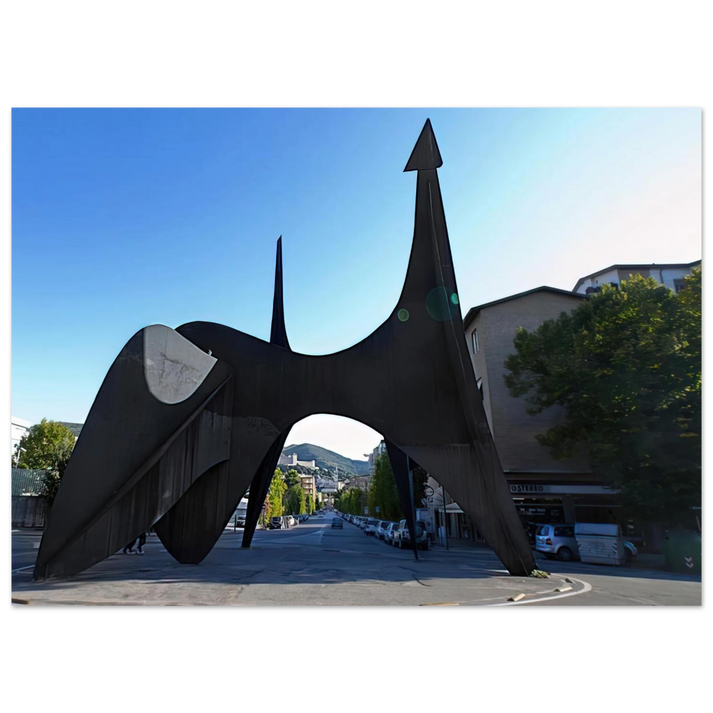
Alexander Calder - TEODELAPIO 1962 Fine Art Poster
Alexander Calder - TEODELAPIO 1962 Fine Art Poster
Couldn't load pickup availability
Bring the Monumental Grace of Alexander Calder’s Teodelapio (1962) into Your Space
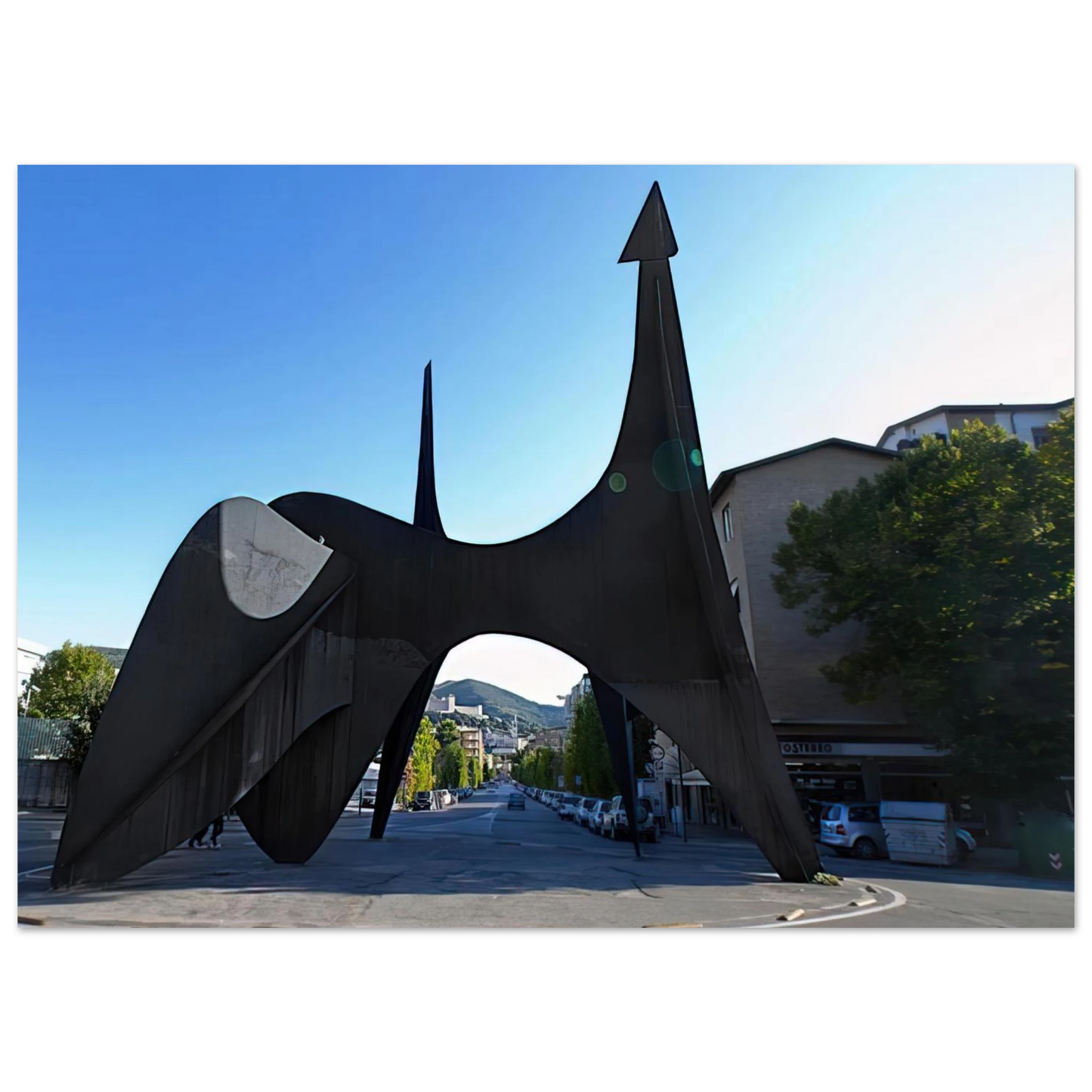
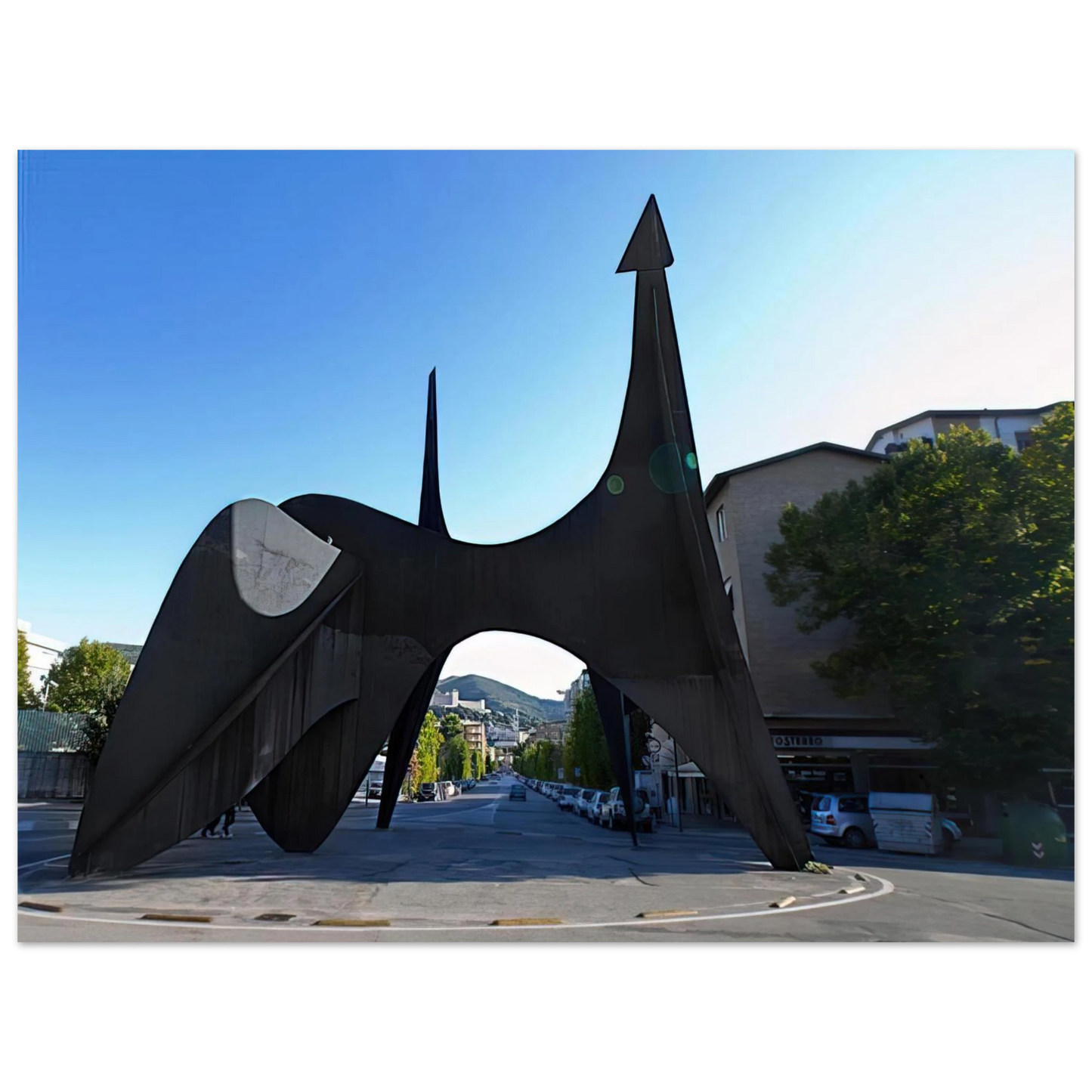
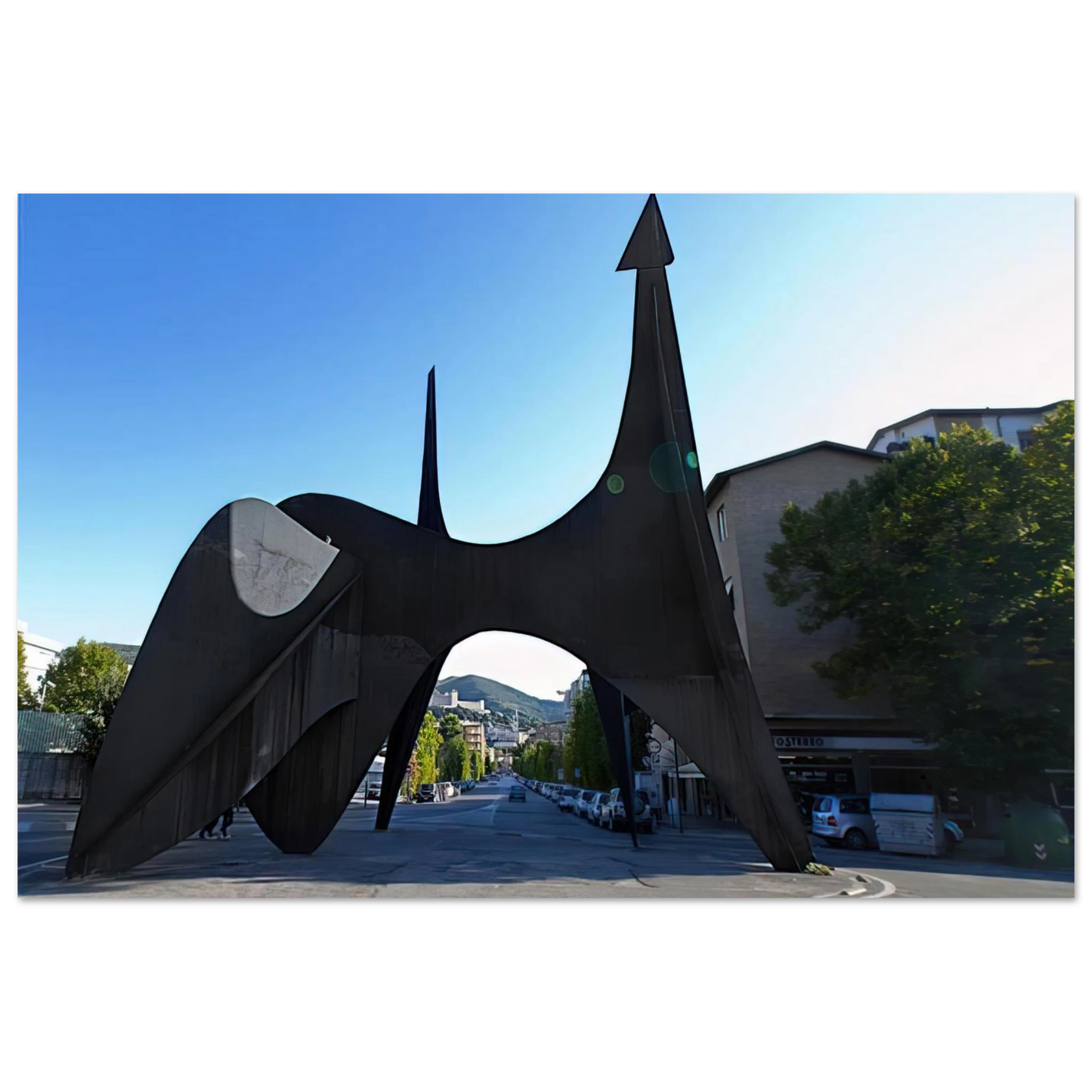
In 1962, for the legendary Sculture nella città exhibition in Spoleto, Italy, Alexander Calder revolutionized public art with Teodelapio. As his first truly monumental stabile, this work represents a definitive moment in modernism, where the industrial strength of sheet metal meets the organic, flowing silhouettes of abstract thought. Our fine art print captures the stark, authoritative lines of this masterpiece, allowing you to experience the gravitas of 20th-century sculpture from your home or office.
Archival Integrity and Museum-Grade Materials
At RedKalion, we believe a work of this historical significance deserves a medium that lasts. This reproduction is meticulously crafted on Master's Edition archival paper, ensuring that the deep contrasts and intricate geometry of Calder's vision are preserved with absolute fidelity.
- Premium Texture: A matte, uncoated, natural white (off-white) finish provides a luxurious, non-reflective surface that emphasizes the artwork's depth.
- Substantial Weight: Printed on heavy 250 gsm (110 lb) paper with a thickness of 0.29 mm (11.4 mils) for a premium feel.
- Enduring Beauty: Our paper is acid-free (pH above 7), chemically designed to prevent yellowing or degradation over time.
- Responsibly Sourced: We utilize FSC-certified paper, aligning artistic beauty with environmental stewardship.
Elevate your environment with an archival masterpiece that endures. Every print is produced on demand, ensuring a fresh, museum-quality reproduction that serves as a focal point for any sophisticated interior.
Discover Unlimited Art Possibilities
At RedKalion, you can find virtually any artwork from any artist, available in a wide range of sizes to perfectly match your space.
If you didn’t find what you’re looking for, contact us at support@redkalion.com . We will source any artwork and produce it in any size and format you need, including art prints, posters, canvas, framed pieces, framed canvas, and more.
For dedicated art enthusiasts, we also offer handcrafted replicas of any artwork, carefully painted by highly skilled artists using traditional techniques.
For custom requests, contact us at support@redkalion.com .
What is the significance of Alexander Calder’s Teodelapio?
Created for the 1962 Festival dei Due Mondi in Spoleto, Teodelapio is considered Calder's first monumental stabile, marking his transition from kinetic mobiles to large-scale, stationary public sculptures.
What type of paper is used for this fine art print?
We use Master's Edition archival paper. It is a 250 gsm (110 lb) museum-quality paper with a thickness of 0.29 mm and a matte, uncoated finish.
Is the paper used for this Calder poster sustainable?
Yes, all prints are produced on FSC-certified paper, ensuring the materials are sourced from responsibly managed forests that provide environmental and social benefits.
How long will this museum-quality reproduction last?
Thanks to the acid-free (pH above 7) composition, this archival print is designed to resist yellowing and deterioration, preserving its visual integrity for decades.
How is shipping handled for my order?
Your print is produced on demand with no minimum order requirements. We use secure, protective packaging to ensure your museum-quality poster arrives in perfect condition.
What is the difference between a Calder mobile and a stabile?
A mobile is a kinetic sculpture that moves with air currents, while a stabile, like the Teodelapio, is a stationary, grounded abstract sculpture typically made of bolted sheet metal.
What is the finish of the Alexander Calder - TEODELAPIO 1962 Fine Art Poster?
The poster features a matte, natural white (off-white) finish. This uncoated surface provides a sophisticated, non-reflective look that highlights the architectural lines of the artwork.