RedKalion
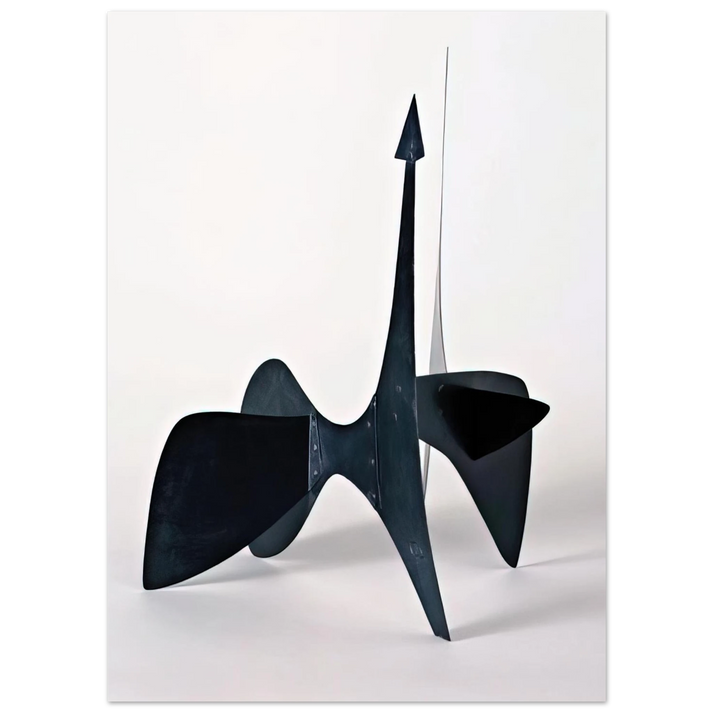
Alexander Calder - TEODELAPIO MAQUETTE II 1962 Fine Art Poster
Alexander Calder - TEODELAPIO MAQUETTE II 1962 Fine Art Poster
Couldn't load pickup availability
Elevate Your Space with Alexander Calder’s Architectural Vision: Teodelapio Maquette II (1962)
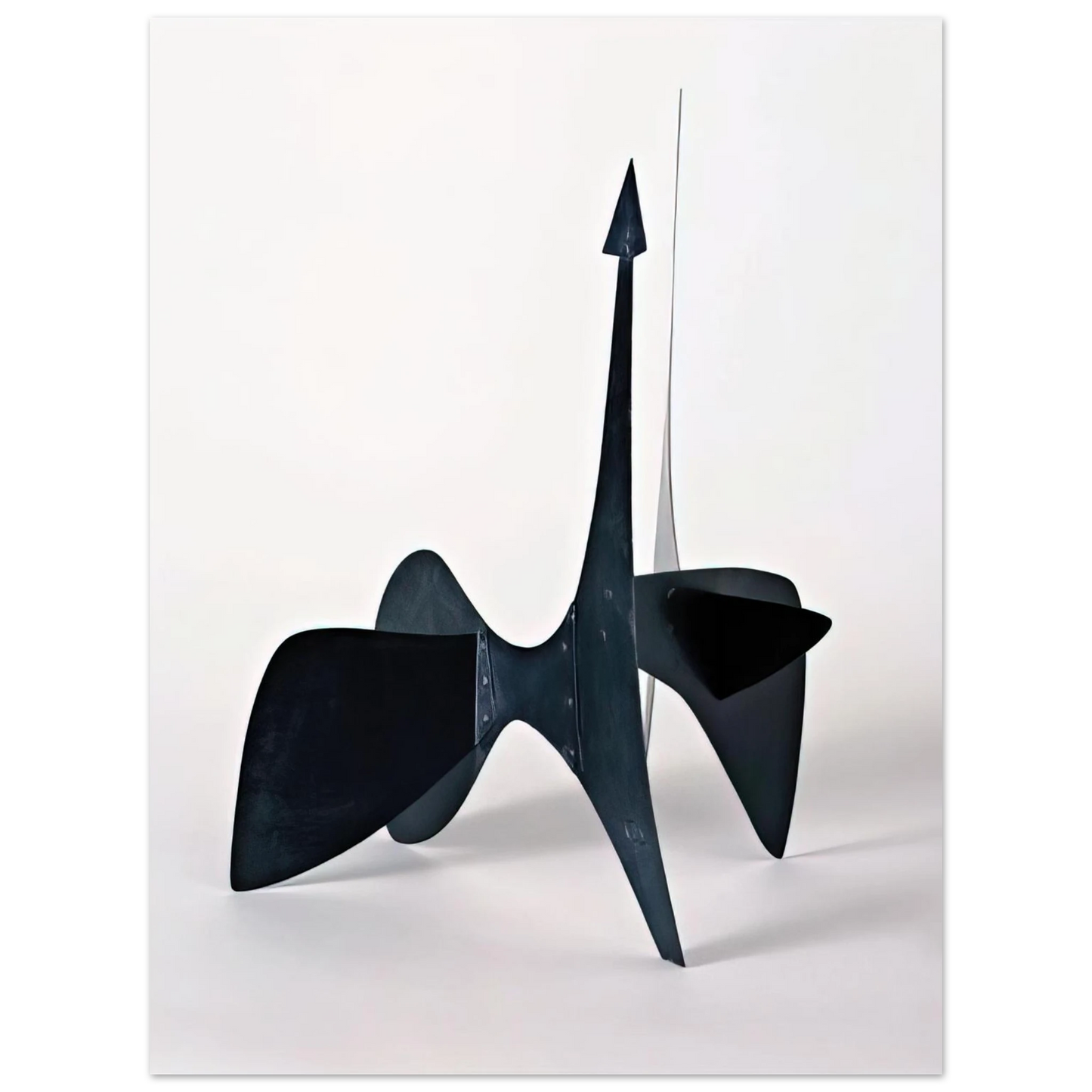
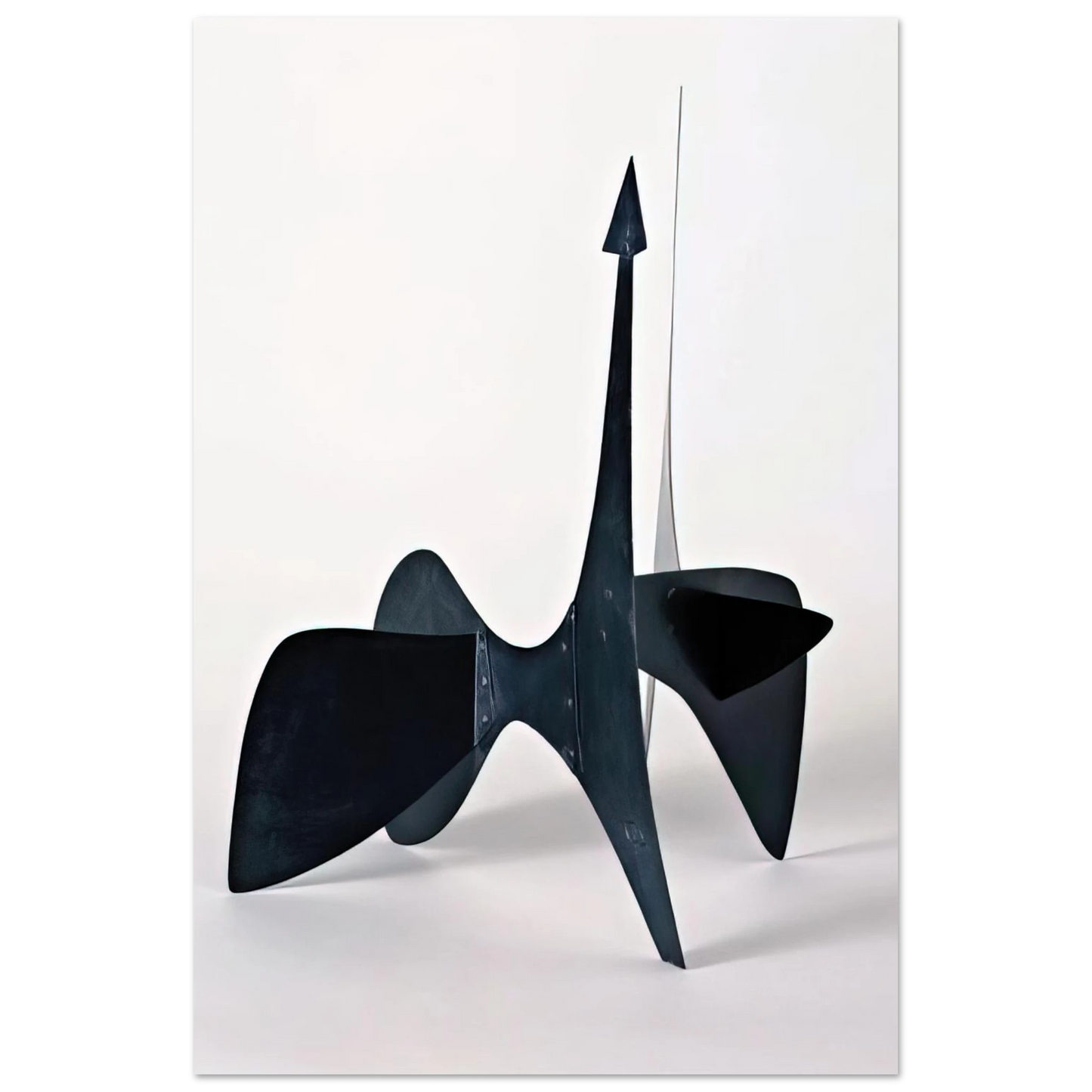
Experience the structural mastery of Alexander Calder with this exquisite fine art reproduction of the Teodelapio Maquette II. Originally conceived in 1962 for the 'Sculture nella città' exhibition in Spoleto, Italy, the Teodelapio remains one of Calder’s most significant 'stabiles'—monumental, stationary sculptures that redefined the relationship between form and public space. This maquette captures the developmental essence of the 18-meter-high steel giant, translating its rhythmic curves and bold, industrial silhouette into a sophisticated piece for the contemporary home.
At RedKalion, we honor Calder’s legacy by utilizing Master’s Edition archival paper. This museum-quality, natural white substrate provides a luxurious, uncoated matte finish that perfectly absorbs the deep blacks and subtle gradients of the original design. Unlike standard prints, our reproductions are crafted on 250 gsm (110 lb) paper with a thickness of 0.29 mm, ensuring a substantial, tactile presence that reflects the gravity of Calder’s engineering.
The RedKalion Standard: Museum-Quality Engineering
Our commitment to excellence mirrors the precision of the artist himself. This Alexander Calder fine art poster is produced with longevity in mind, using acid-free (pH above 7) materials to prevent yellowing or degradation over the decades. By choosing RedKalion, you are investing in an archival-grade piece that maintains its visual integrity, whether displayed in a sun-drenched gallery or a private study.
- Historical Significance: A reproduction of the preparatory study for the Spoleto stabile, a landmark of 20th-century modernism.
- Premium Texture: Matte, natural white finish provides an elegant, non-reflective surface.
- Archival Durability: Acid-free paper ensures your investment remains vibrant for generations.
- Sustainably Sourced: Printed on FSC-certified paper, aligning artistic beauty with environmental responsibility.

Discover Unlimited Art Possibilities
At RedKalion, you can find virtually any artwork from any artist, available in a wide range of sizes to perfectly match your space.
If you didn’t find what you’re looking for, contact us at support@redkalion.com . We will source any artwork and produce it in any size and format you need, including art prints, posters, canvas, framed pieces, framed canvas, and more.
For dedicated art enthusiasts, we also offer handcrafted replicas of any artwork, carefully painted by highly skilled artists using traditional techniques.
For custom requests, contact us at support@redkalion.com .
What is the historical significance of Teodelapio Maquette II?
Created in 1962, this piece is a preparatory study for Alexander Calder's massive 'stabile' in Spoleto, Italy. It represents a pivotal moment where Calder merged monumental architecture with abstract sculpture, creating a permanent landmark that people could walk through.
What are the paper specifications for this fine art print?
This print uses Master’s Edition archival paper. It is a 250 gsm (110 lb) natural white, matte, and uncoated paper with a thickness of 0.29 mm. This ensures a premium, museum-quality feel and exceptional durability.
Will the colors of this Calder print fade over time?
No. We use acid-free paper with a pH above 7, which prevents the paper from yellowing. Combined with archival-grade printing processes, your Alexander Calder reproduction is designed to remain vibrant for decades.
Is the paper used for this reproduction sustainable?
Yes, all RedKalion prints utilize FSC-certified paper or equivalent certifications depending on regional availability. This ensures that your artwork supports responsible forest management and environmental sustainability.
How is my RedKalion fine art print shipped?
We print and ship on demand with no minimum orders. Each print is carefully packaged in protective materials to ensure it arrives at your door in pristine, museum-ready condition.
Who was Alexander Calder?
Alexander Calder was a renowned American sculptor best known as the originator of the 'mobile'—moving sculptures—and 'stabiles'—stationary abstract sculptures. He is a titan of 20th-century Modernism.
What is the difference between a mobile and a stabile?
A 'mobile' is a kinetic sculpture that moves with air currents, while a 'stabile' (like the Teodelapio) is a stationary, grounded abstract sculpture. Calder pioneered both forms to explore space and movement.