RedKalion
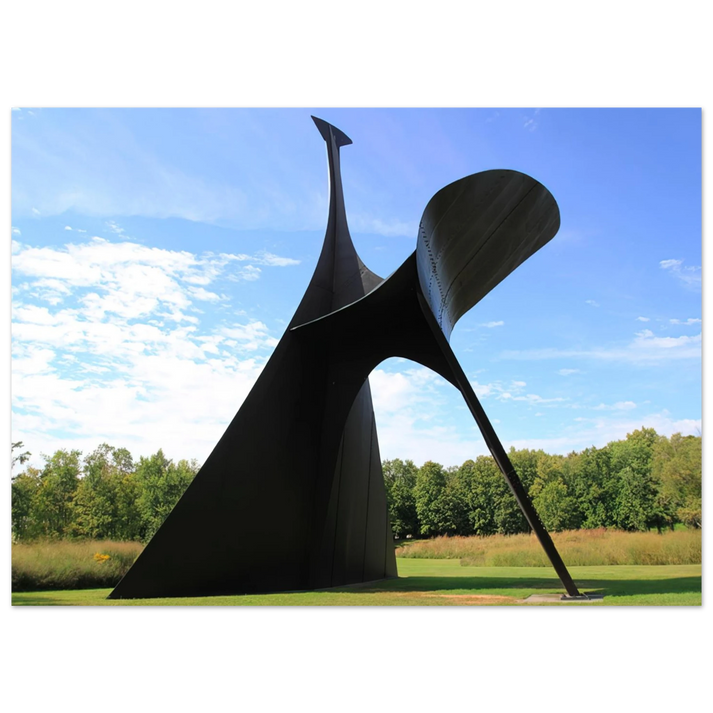
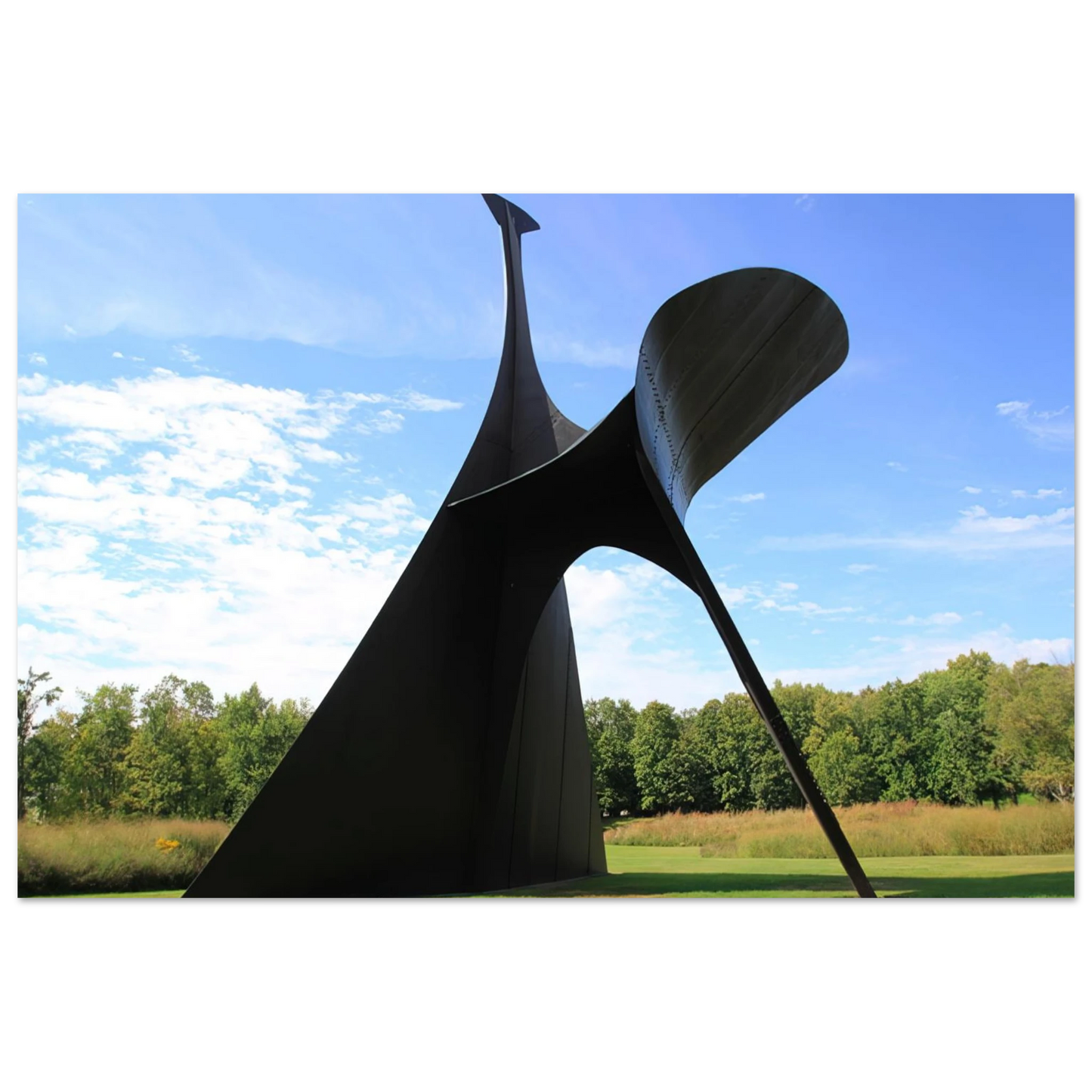
Alexander Calder - THE ARCH 1975 Fine Art Poster
Alexander Calder - THE ARCH 1975 Fine Art Poster
Couldn't load pickup availability
Elevate Your Space with Alexander Calder's 'THE ARCH 1975'
Experience the bold geometry and kinetic energy of Alexander Calder with this exquisite reproduction of THE ARCH 1975. As a pioneer of the mobile and the stabile, Calder redefined the relationship between sculpture and space. This fine art print captures the essence of his late-period mastery, where monumental forms meet the playful precision of primary colors. Originally conceived during a decade of massive public commissions, The Arch serves as a testament to Calder’s ability to ground abstract concepts in physical permanence.
Museum-Quality Execution by RedKalion
At RedKalion, we curate more than just images; we preserve legacies. This museum-quality reproduction is meticulously crafted on our Master's Edition archival paper. The result is a sophisticated, tactile experience that mirrors the gravity and presence of the original work. Our commitment to archival standards ensures that the vibrant reds and stark blacks of Calder's palette remain as striking as the day they were printed.
- Master's Edition Paper: 250 gsm (110 lb) natural white, archival-grade paper.
- Premium Matte Finish: An uncoated, luxurious texture that eliminates glare.
- Enduring Quality: Acid-free (pH above 7) construction prevents yellowing and degradation.
- Sustainably Sourced: Printed on FSC-certified paper for an environmentally conscious masterpiece.
- Fulfillment Excellence: Expertly printed and shipped on demand with no minimum requirements.
Whether you are an established collector or an admirer of mid-century modernism, this Alexander Calder fine art poster offers an opportunity to bring a piece of 20th-century art history into your contemporary environment. Invest in an archival masterpiece that endures through generations.


Discover Unlimited Art Possibilities
At RedKalion, you can find virtually any artwork from any artist, available in a wide range of sizes to perfectly match your space.
If you didn’t find what you’re looking for, contact us at support@redkalion.com . We will source any artwork and produce it in any size and format you need, including art prints, posters, canvas, framed pieces, framed canvas, and more.
For dedicated art enthusiasts, we also offer handcrafted replicas of any artwork, carefully painted by highly skilled artists using traditional techniques.
For custom requests, contact us at support@redkalion.com .
What are the specifications of the paper used for this Calder print?
The print is produced on Master's Edition archival paper, weighing 250 gsm (110 lb). It features a thickness of 0.29 mm (11.4 mils) and a luxurious matte, natural white finish for a true museum-quality feel.
Will this Alexander Calder reproduction fade or yellow?
No. We use acid-free paper with a pH above 7, which prevents yellowing over time. Combined with our archival inks, this fine art print is designed to maintain its vibrancy and integrity for decades.
Is the production of 'The Arch' fine art poster environmentally responsible?
Yes, RedKalion prioritizes sustainability. This reproduction is printed on FSC-certified paper, ensuring it comes from responsibly managed forests that provide environmental, social, and economic benefits.
How is the shipping handled for RedKalion museum prints?
Every order is printed and shipped on demand to reduce waste. We utilize specialized protective packaging to ensure your museum-quality print arrives in pristine condition, ready for framing and display.
What is the texture and finish of this Master's Edition poster?
The poster features a matte, uncoated finish. This provides a soft, non-reflective surface that emphasizes the rich pigments and allows the natural white texture of the premium 250 gsm paper to shine through.
What does 'The Arch' (1975) represent in Calder's artistic career?
Created late in his life, 'The Arch' represents Calder's mastery of 'stabiles'—stationary abstract sculptures. It highlights his transition from movement-based mobiles to monumental, architectural forms that command space through balance and primary color.
Why are Alexander Calder's primary colors so iconic in modern art?
Calder used a restricted palette—primarily red, black, and yellow—to emphasize form and structure. This minimalist approach allows the viewer to focus on the geometric interaction and spatial weight of the artwork without visual clutter.