RedKalion
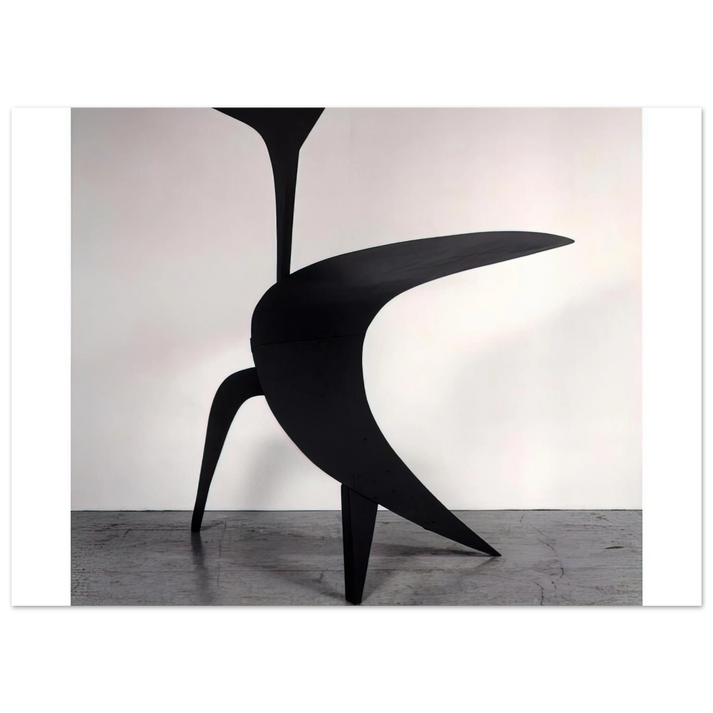
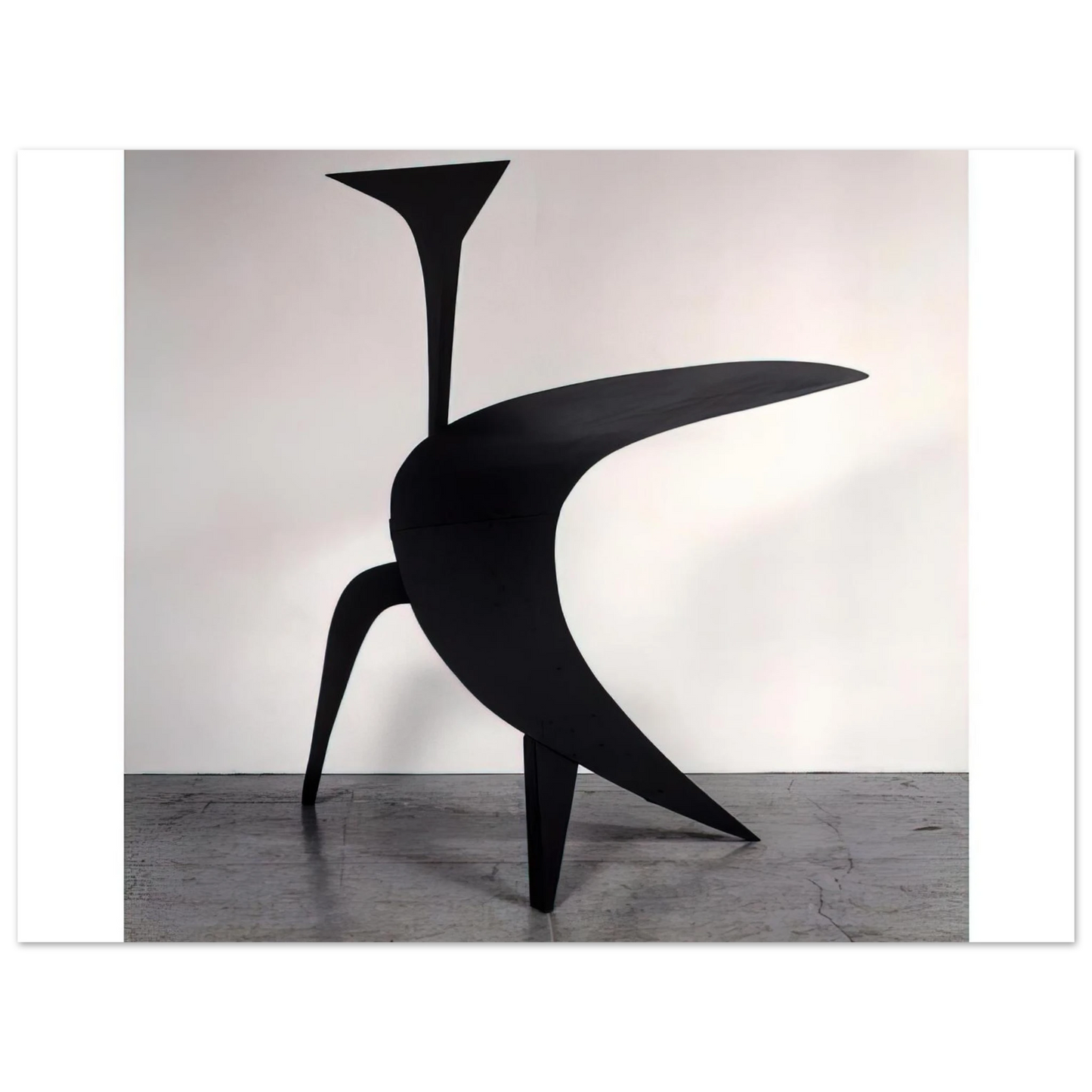
Alexander Calder - THE BIG EAR 1943 Fine Art Poster
Alexander Calder - THE BIG EAR 1943 Fine Art Poster
Couldn't load pickup availability
Alexander Calder: The Big Ear (1943) – A Masterpiece of Mid-Century Modernism
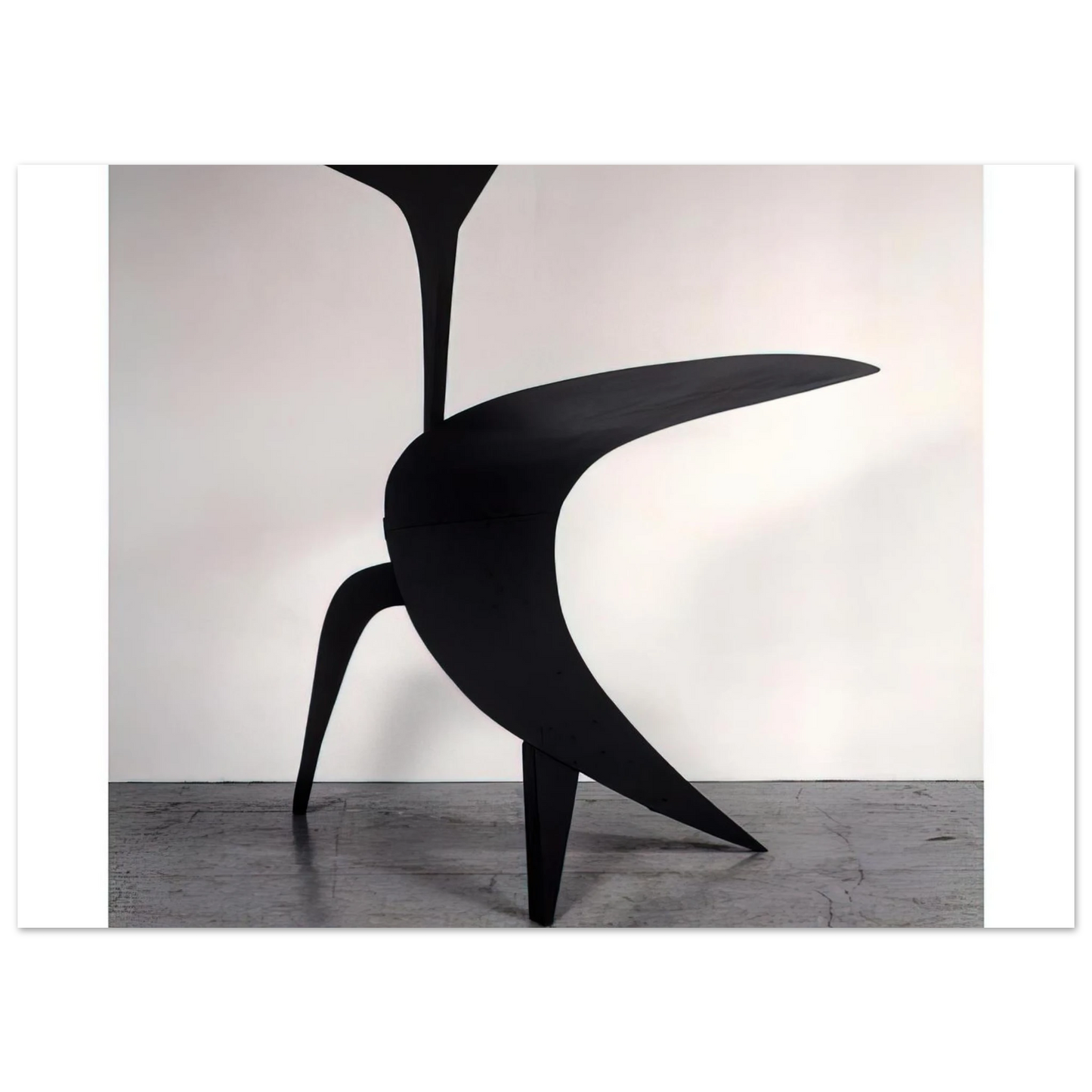
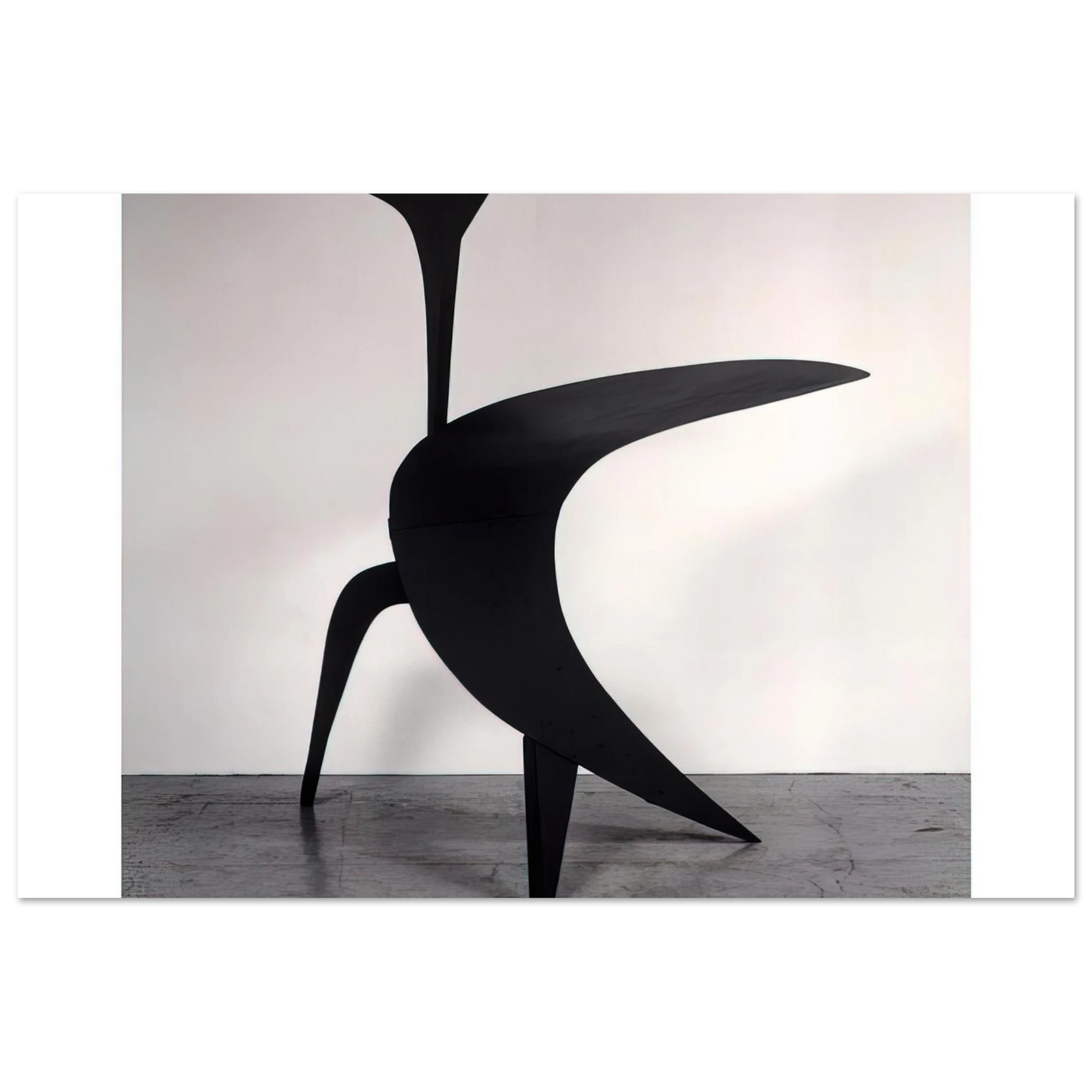
Experience the playful sophistication of Alexander Calder’s The Big Ear (1943), a definitive work of mid-century abstraction. As a pioneer of the kinetic sculpture, Calder’s ability to translate three-dimensional spatial dynamics into graphic form is perfectly captured in this fine art print. This 1943 composition showcases his transition into biomorphic abstraction, where organic shapes interact with a sense of structural equilibrium.
At RedKalion, we honor Calder's legacy by offering this museum-quality reproduction crafted to the highest standards. Our Master's Edition archival paper provides a natural white, matte finish that eliminates glare, allowing the bold lines and primary-inspired palette of Calder’s vision to resonate with clarity and depth.
Premium Craftsmanship and Archival Longevity
Every print is produced on 250 gsm (110 lb) thickness paper, measuring approximately 0.29 mm (11.4 mils). This heavy-weight, acid-free medium ensures your artwork remains vibrant, preventing the yellowing or degradation often found in mass-produced posters. By utilizing FSC-certified paper, we prioritize environmental responsibility without compromising on the luxurious, tactile experience of a gallery-grade print.
- Artist: Alexander Calder
- Title: The Big Ear (1943)
- Material: Acid-free archival paper (pH above 7)
- Finish: Matte, uncoated, natural white
- Sustainability: Responsibly sourced FSC-certified materials
Enhance your interior with a piece that embodies the spirit of the avant-garde. This Alexander Calder fine art poster is not merely a reproduction; it is a curated tribute to a man who redefined the relationship between art and the surrounding environment.
Discover Unlimited Art Possibilities
At RedKalion, you can find virtually any artwork from any artist, available in a wide range of sizes to perfectly match your space.
If you didn’t find what you’re looking for, contact us at support@redkalion.com . We will source any artwork and produce it in any size and format you need, including art prints, posters, canvas, framed pieces, framed canvas, and more.
For dedicated art enthusiasts, we also offer handcrafted replicas of any artwork, carefully painted by highly skilled artists using traditional techniques.
For custom requests, contact us at support@redkalion.com .
What are the physical dimensions and paper quality of this Calder print?
This print utilizes Master's Edition archival paper with a weight of 250 gsm (110 lb) and a thickness of 0.29 mm. It features a matte, uncoated finish for a luxurious, glare-free texture suitable for premium framing.
Is this Alexander Calder poster printed on sustainable materials?
Yes, RedKalion is committed to sustainability. This fine art poster is printed on FSC-certified paper, ensuring that the materials are sourced from responsibly managed forests that provide environmental and social benefits.
How does the archival quality prevent 'The Big Ear' from yellowing?
The paper used is acid-free with a pH level above 7. This chemical stability prevents the oxidation process that causes standard paper to yellow and become brittle, ensuring your print remains pristine for decades.
What shipping and fulfillment options does RedKalion offer for art prints?
We offer on-demand printing with no minimum order requirements. Each order is printed and shipped directly to you, ensuring the highest quality control and reducing waste through efficient fulfillment practices.
Does the matte finish affect the color depth of the 1943 original?
The matte finish is specifically chosen for its museum-quality aesthetic. It provides a natural white, off-white background that enhances the contrast and saturation of Calder’s forms without the distracting reflections of glossy paper.
What inspired Alexander Calder to create 'The Big Ear' in 1943?
During the early 1940s, Calder was deeply influenced by biomorphic surrealism. 'The Big Ear' reflects his fascination with organic shapes and the concept of 'stabiles'—stationary sculptures that imply movement through their curved, antenna-like forms.
Is 'The Big Ear' considered a mobile or a stabile?
The 1943 'The Big Ear' is primarily classified as a stabile. Unlike his hanging mobiles, this work is designed to sit on a surface, using fixed, interlocking sheets of metal to create a sense of dynamic volume.