RedKalion
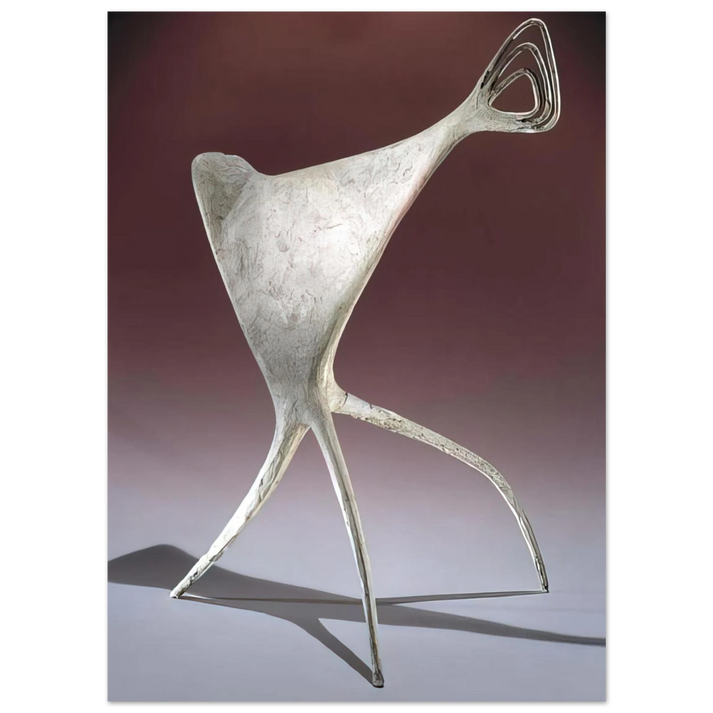
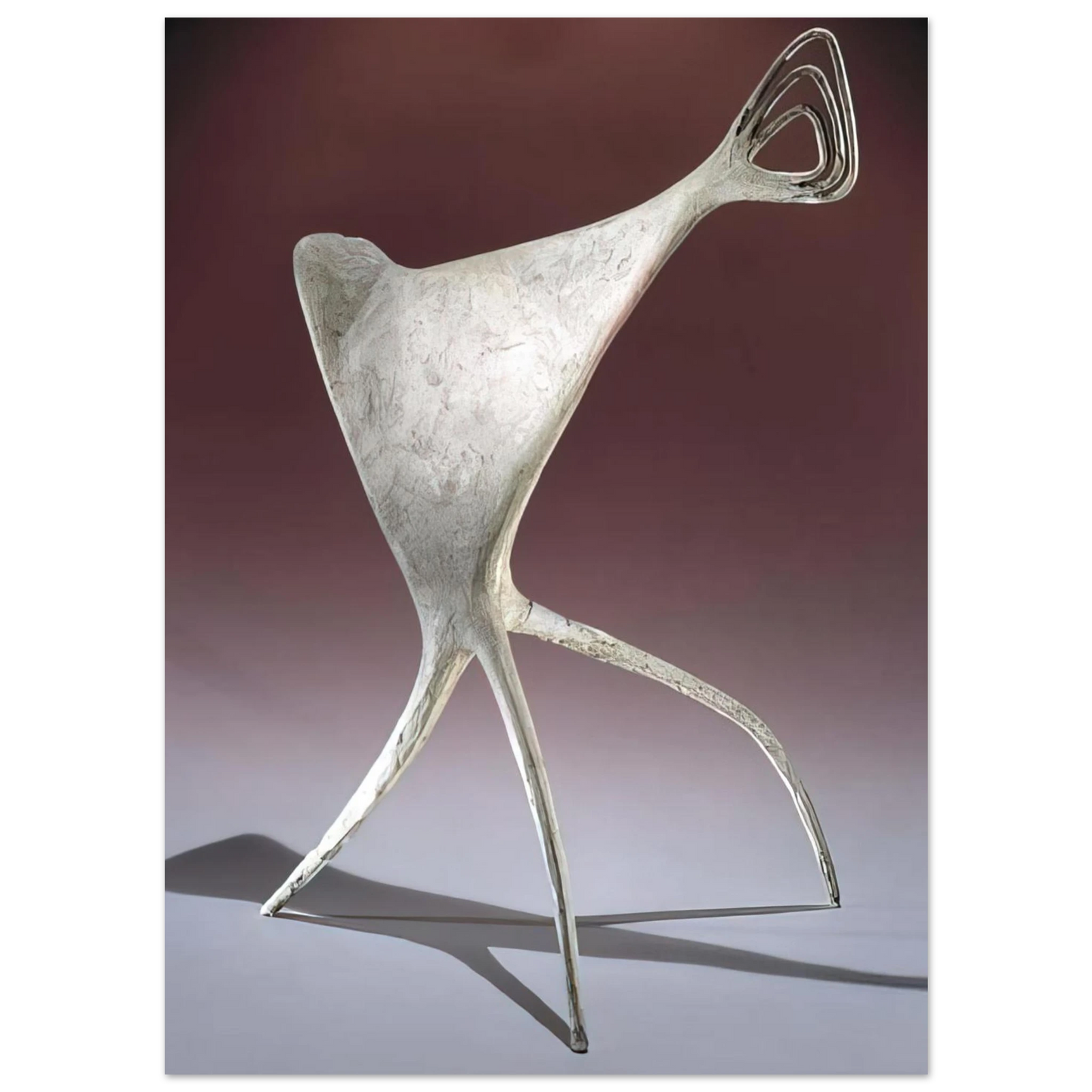
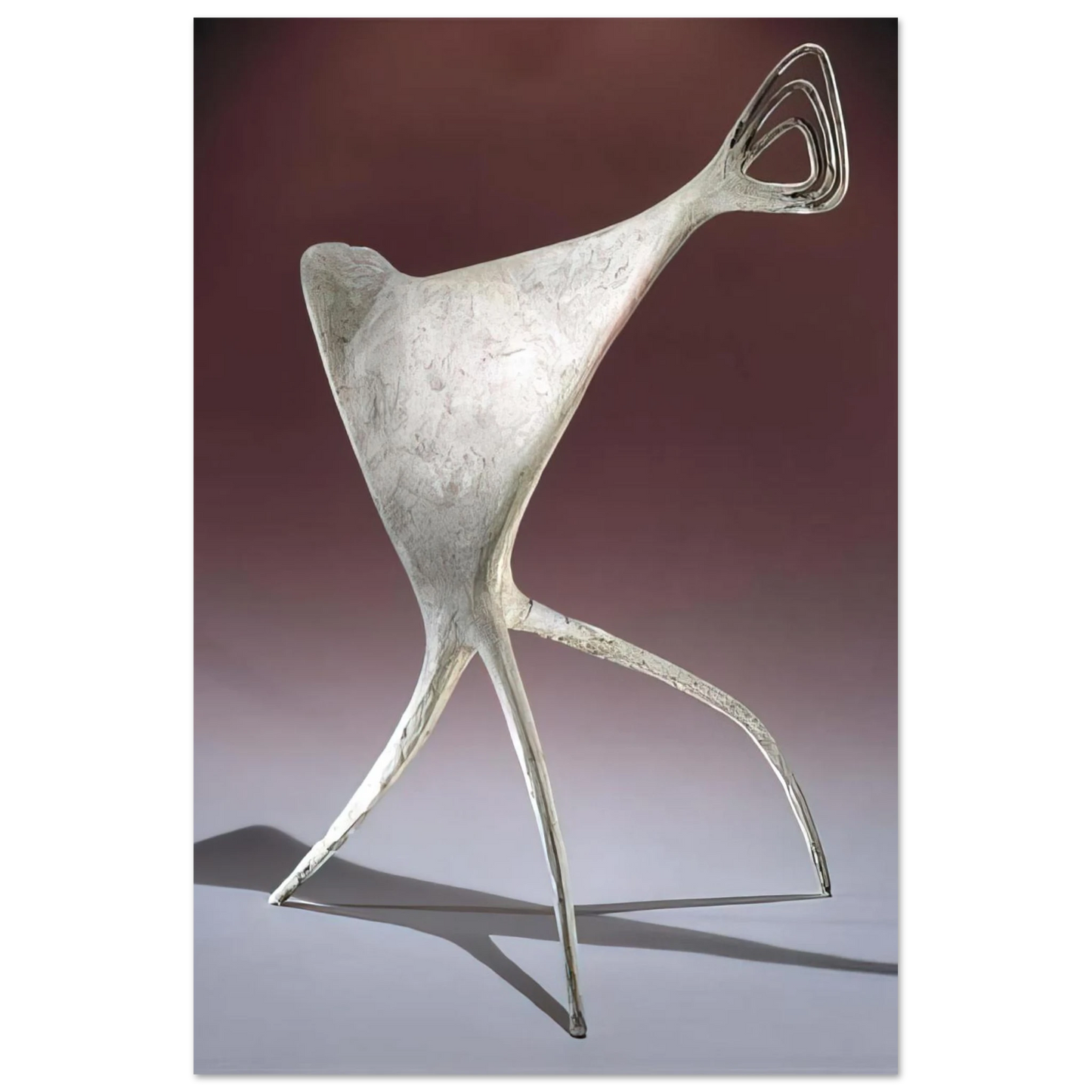
Alexander Calder - THE CIRCUS 1944 Fine Art Poster
Alexander Calder - THE CIRCUS 1944 Fine Art Poster
Couldn't load pickup availability
Alexander Calder’s THE CIRCUS (1944): A Masterpiece of Kinetic Energy and Whimsy
Experience the vibrant spirit of the 20th century’s most innovative sculptor with this museum-quality fine art reproduction of Alexander Calder’s THE CIRCUS (1944). Known primarily for his revolutionary mobiles, Calder brought the same sense of balance and playful abstraction to his two-dimensional works. This 1944 piece captures the raw, rhythmic energy of the circus—a subject that fascinated Calder throughout his career—rendered in his signature palette of bold primary colors and fluid, organic lines.
Archival Integrity Meets Mid-Century Modern Sophicstication
At RedKalion, we believe a masterpiece deserves a canvas that endures. This fine art poster is printed on our Master's Edition archival paper, a premium choice for collectors seeking the highest standards of longevity. The 250 gsm (110 lb) thickness provides a substantial, luxurious feel, while the matte, uncoated finish ensures a natural white (off-white) texture that avoids glare and highlights the depth of Calder's intricate linework. This acid-free, pH-neutral paper prevents yellowing, ensuring your investment remains as striking as the day it was printed.
Why Choose a RedKalion Museum-Quality Reproduction?
- Exceptional Material: 250 gsm Master's Edition paper for a heavy, professional gallery feel.
- Archival Excellence: Acid-free paper (pH above 7) guarantees your print will not degrade or discolor over time.
- Sustainability: Each print is crafted using FSC-certified paper, supporting responsible forest management.
- Precision Detail: High-resolution printing technology captures every nuance of Calder's 1944 composition.
Elevate your space with a work that bridges the gap between avant-garde sculpture and graphic modernism. This archival-grade reproduction allows you to bring a piece of art history into your home, curated with the expertise and authority of the RedKalion Gallery.

Discover Unlimited Art Possibilities
At RedKalion, you can find virtually any artwork from any artist, available in a wide range of sizes to perfectly match your space.
If you didn’t find what you’re looking for, contact us at support@redkalion.com . We will source any artwork and produce it in any size and format you need, including art prints, posters, canvas, framed pieces, framed canvas, and more.
For dedicated art enthusiasts, we also offer handcrafted replicas of any artwork, carefully painted by highly skilled artists using traditional techniques.
For custom requests, contact us at support@redkalion.com .
What makes the Master's Edition paper special for this Calder print?
Our Master's Edition paper is a 250 gsm (110 lb) archival-grade material. Its museum-quality thickness and matte, uncoated finish provide a luxurious, glare-free texture that perfectly complements Alexander Calder's bold, modernist aesthetic.
Will this Alexander Calder poster yellow or fade over time?
No. This reproduction is printed on acid-free paper with a pH level above 7. This archival standard prevents yellowing and ensures the colors of THE CIRCUS (1944) remain vibrant for generations.
Is the paper used for this fine art print eco-friendly?
Yes, RedKalion is committed to sustainability. We use FSC-certified paper for all our Alexander Calder prints, ensuring the materials are sourced from responsibly managed forests.
How is my fine art poster order fulfilled and shipped?
Every piece is printed and shipped on demand with no minimum order requirements. This process ensures your museum-quality print arrives in pristine condition, specifically handled for high-end art logistics.
What is the physical texture and finish of the print?
The print features a natural white, off-white hue with a thickness of 0.29 mm (11.4 mils). The matte finish is smooth yet textured, providing an authentic gallery feel without synthetic reflections.
What is the historical significance of Calder's circus theme?
The circus was a lifelong obsession for Calder, starting with his famous "Cirque Calder." The 1944 works represent his transition into sophisticated abstraction while maintaining the kinetic energy and joy of the big top.
How does Alexander Calder's technique influence this 2D work?
Calder applies his sculptor's logic to paper, using wire-like lines and weightless forms to suggest movement. THE CIRCUS 1944 showcases his mastery of balance, even within a static medium.