RedKalion
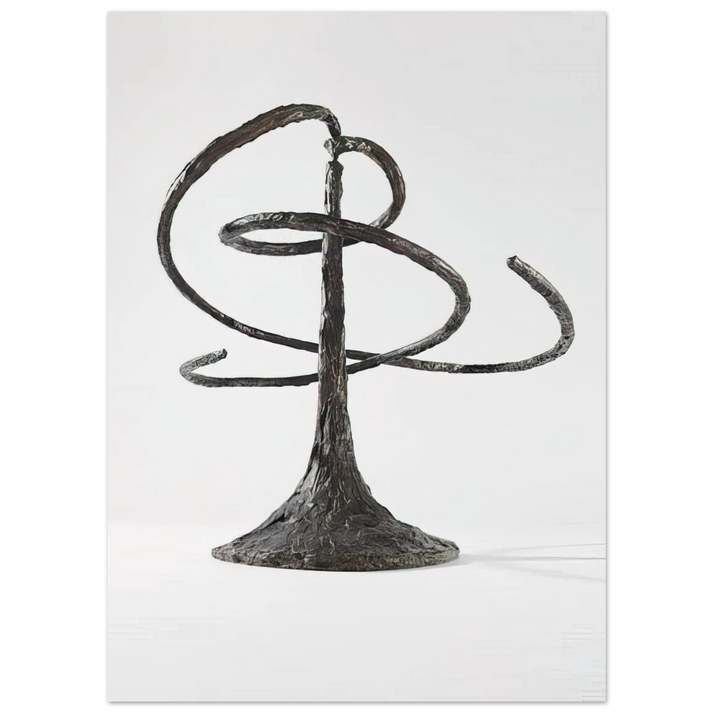
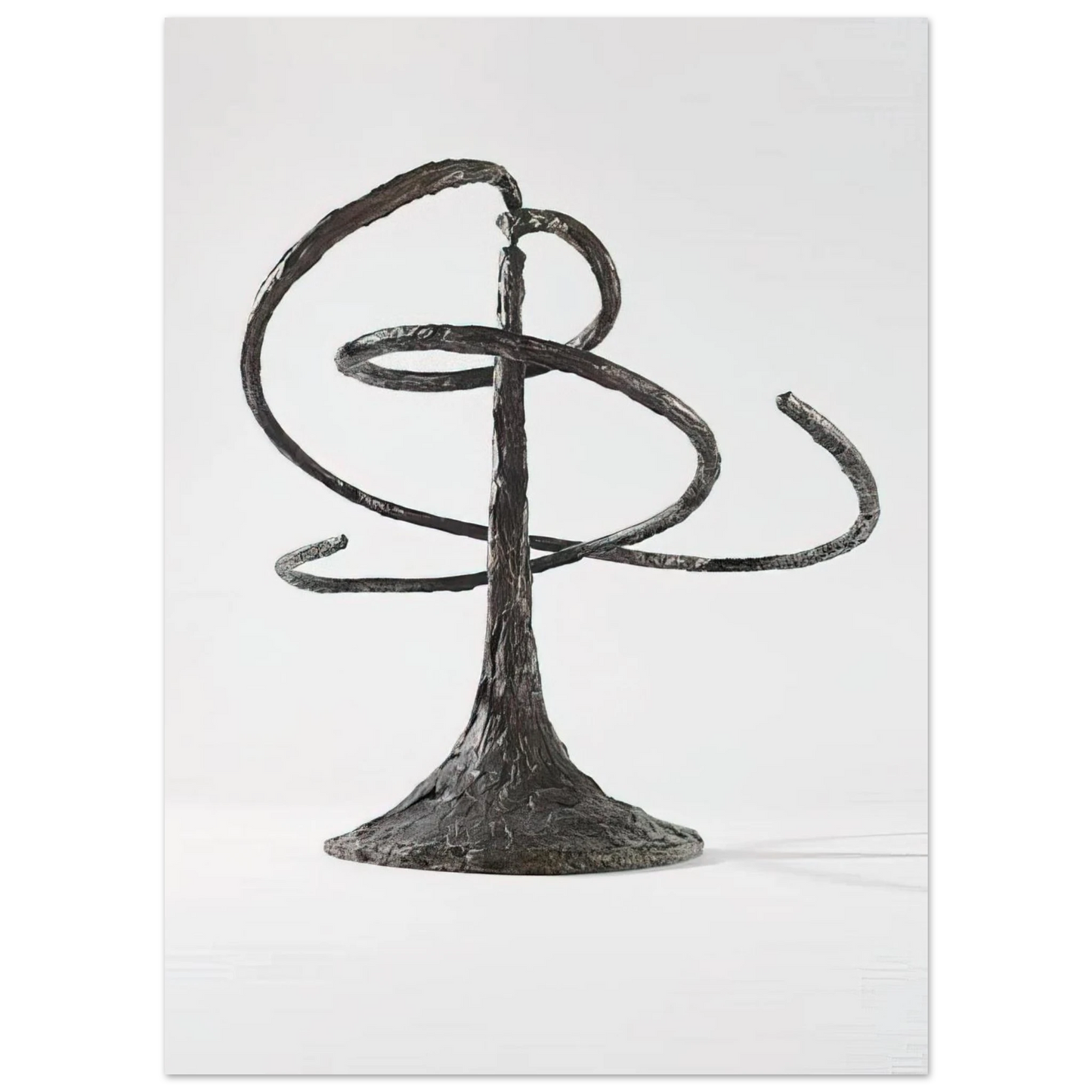
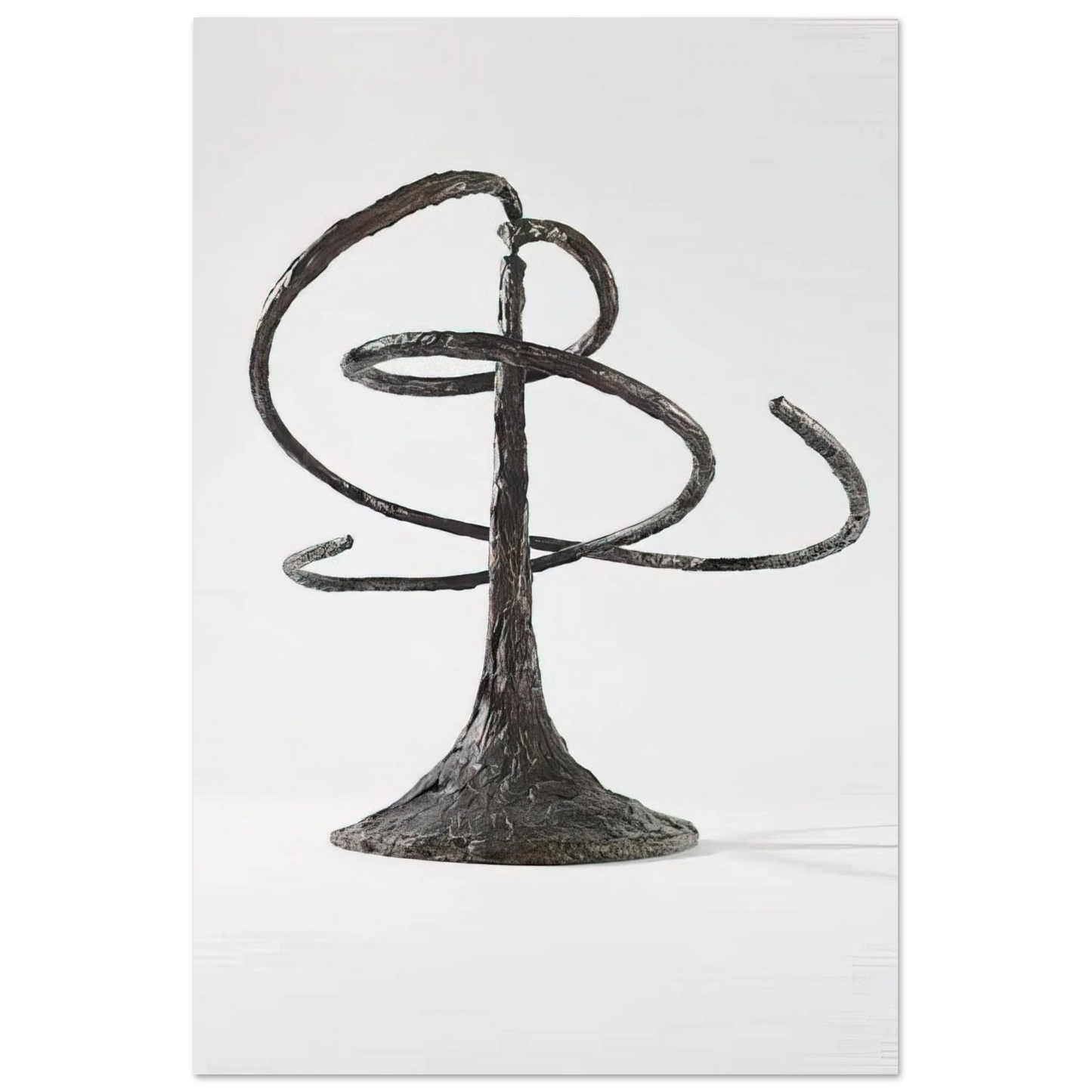
Alexander Calder - THE HELICES DOUBLE HELIX 1944 Fine Art Poster
Alexander Calder - THE HELICES DOUBLE HELIX 1944 Fine Art Poster
Couldn't load pickup availability
Alexander Calder: The Helices Double Helix (1944) – A Masterpiece of Fluid Rhythms
Experience the captivating energy of Alexander Calder’s The Helices Double Helix (1944), a seminal work that translates the kinetic grace of his world-renowned sculptures into a vibrant two-dimensional composition. As an elite curator of fine art prints, RedKalion presents this museum-quality reproduction, capturing the primary colors and undulating lines that defined Calder’s mid-century aesthetic. This piece serves as a sophisticated bridge between mathematical precision and organic spontaneity, making it a definitive addition to any serious art collection.
Art Historical Significance and Technique
Created during a prolific period in 1944, The Helices Double Helix showcases Calder's mastery of gouache and ink. While his mobiles conquered physical space, his paper works explored the 'cosmic' relationship between shapes. Interestingly, Calder’s focus on the double helix structure predates the famous biological discovery of DNA by nearly a decade, illustrating his intuitive grasp of universal patterns. His use of bold, saturated tones against a neutral ground creates a sense of depth and perpetual motion, characteristic of his unique contribution to modern abstract art.
Museum-Grade Material Specifications
To ensure this iconic work endures for generations, we utilize our Master's Edition archival paper. This premium substrate provides a luxurious, tactile experience that mirrors the original medium. Each print adheres to the following rigorous standards:
- Paper Quality: 250 gsm (110 lb) museum-grade archival paper, ensuring a substantial, premium feel.
- Finish: An elegant matte, uncoated, natural white (off-white) surface that eliminates glare and highlights color depth.
- Longevity: Acid-free (pH above 7) composition prevents yellowing or degradation over time.
- Sustainability: Printed on FSC-certified paper, supporting responsible forestry practices.
- Precision: Thickness of 0.29 mm (11.4 mils) provides the structural integrity required for high-end gallery framing.
Elevate your interior space with a piece that embodies the spirit of 20th-century innovation. This RedKalion archival reproduction is more than a poster; it is a timeless investment in art history, meticulously crafted to maintain its brilliance for a lifetime.

Discover Unlimited Art Possibilities
At RedKalion, you can find virtually any artwork from any artist, available in a wide range of sizes to perfectly match your space.
If you didn’t find what you’re looking for, contact us at support@redkalion.com . We will source any artwork and produce it in any size and format you need, including art prints, posters, canvas, framed pieces, framed canvas, and more.
For dedicated art enthusiasts, we also offer handcrafted replicas of any artwork, carefully painted by highly skilled artists using traditional techniques.
For custom requests, contact us at support@redkalion.com .
What makes this Alexander Calder fine art print museum-quality?
Our Calder reproductions use Master's Edition archival paper (250 gsm) with a matte finish. This acid-free, natural white paper ensures long-term preservation and high color fidelity, meeting the exacting standards of professional galleries and museums.
What is the historical significance of 'The Helices Double Helix' (1944)?
Created in 1944, this work demonstrates Calder's fascination with geometric and organic rhythms. It represents his ability to translate kinetic energy onto a static surface, prefiguring modern scientific discoveries of helical structures through abstract artistic intuition.
Will the colors of this print fade over time?
No. By utilizing acid-free paper with a pH level above 7, we ensure the print is resistant to yellowing and degradation. When kept out of direct sunlight, these archival-grade materials maintain their vibrancy for decades.
Is the paper used for this reproduction sustainable?
Yes, sustainability is a core value at RedKalion. This fine art print is produced on FSC-certified paper (Forest Stewardship Council), ensuring the materials are sourced from responsibly managed forests that provide environmental benefits.
How is the artwork fulfilled and shipped?
Every order is fulfilled on-demand with no minimum requirements. We use specialized protective packaging to ensure your museum-quality print arrives in pristine condition, ready for framing in your home or gallery.
Did Calder intend for this work to represent DNA?
While the title 'Double Helix' is used today, Calder’s 1944 work was an exploration of mathematical spirals and movement. It was created nearly a decade before the structure of DNA was scientifically mapped, highlighting his visionary perspective.
What is the texture and weight of the paper?
The print features a luxurious 250 gsm (110 lb) weight with a thickness of 0.29 mm. It has an uncoated, matte finish that provides a sophisticated, non-reflective surface perfect for high-end interior design.