RedKalion
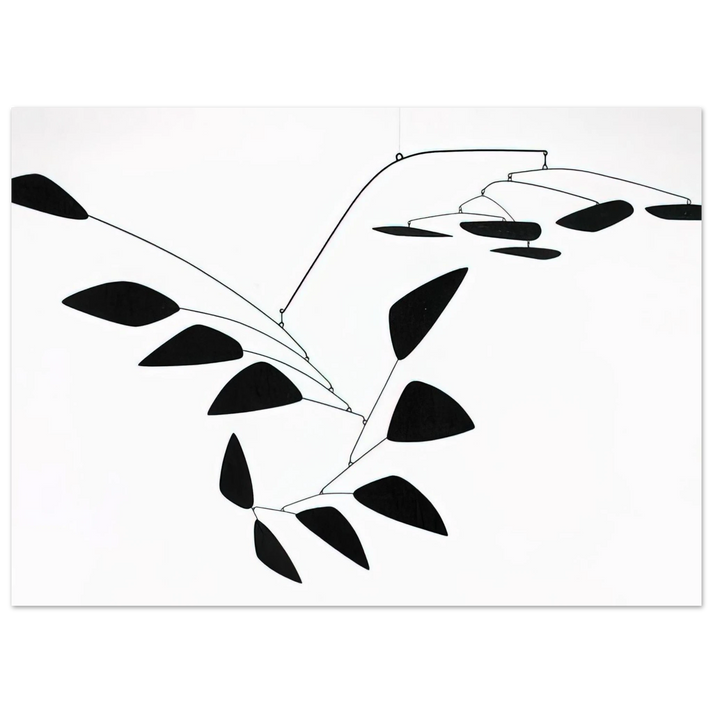
Alexander Calder - THE Y 1960 Fine Art Poster
Alexander Calder - THE Y 1960 Fine Art Poster
Couldn't load pickup availability
Elevate Your Space with Alexander Calder’s 'THE Y' (1960)
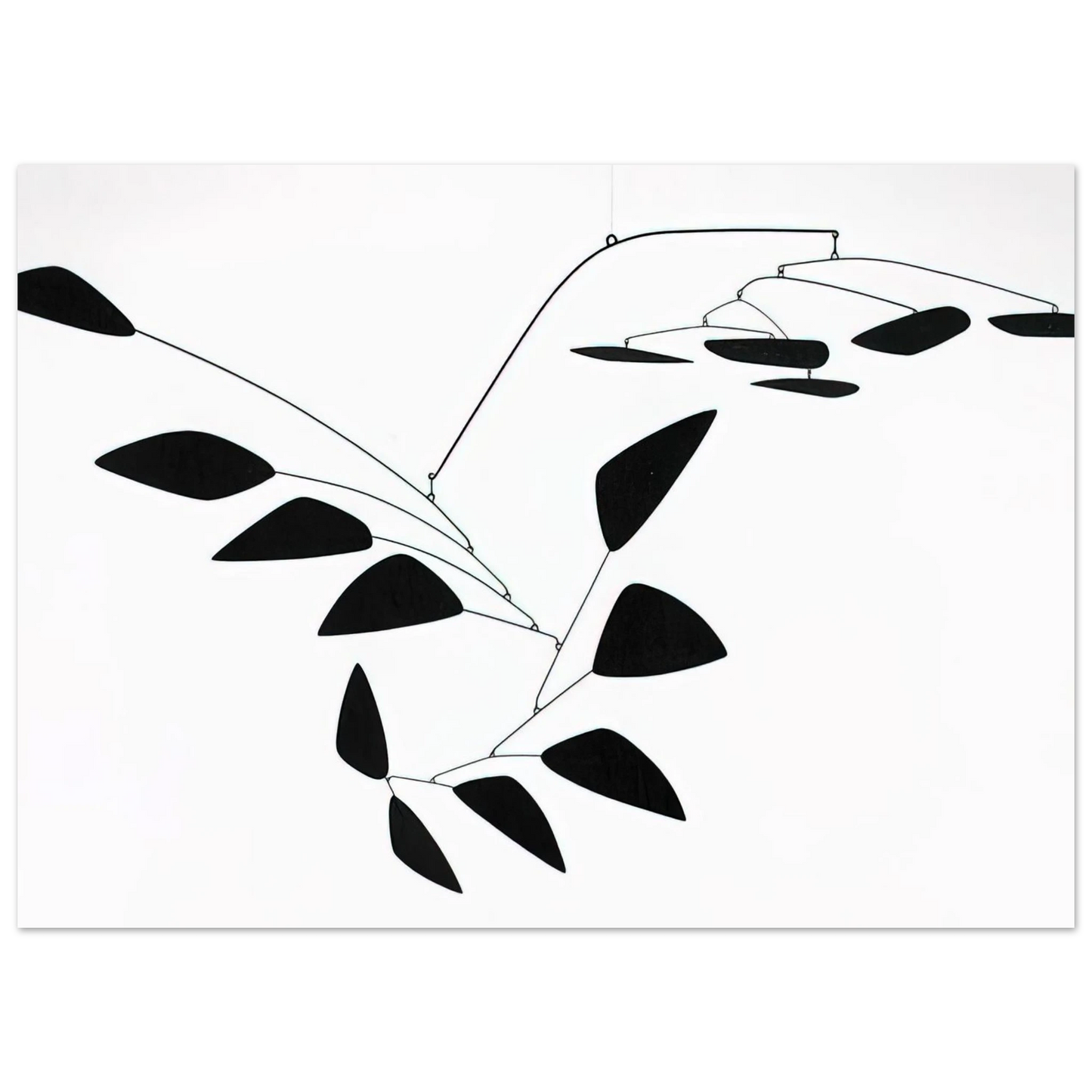
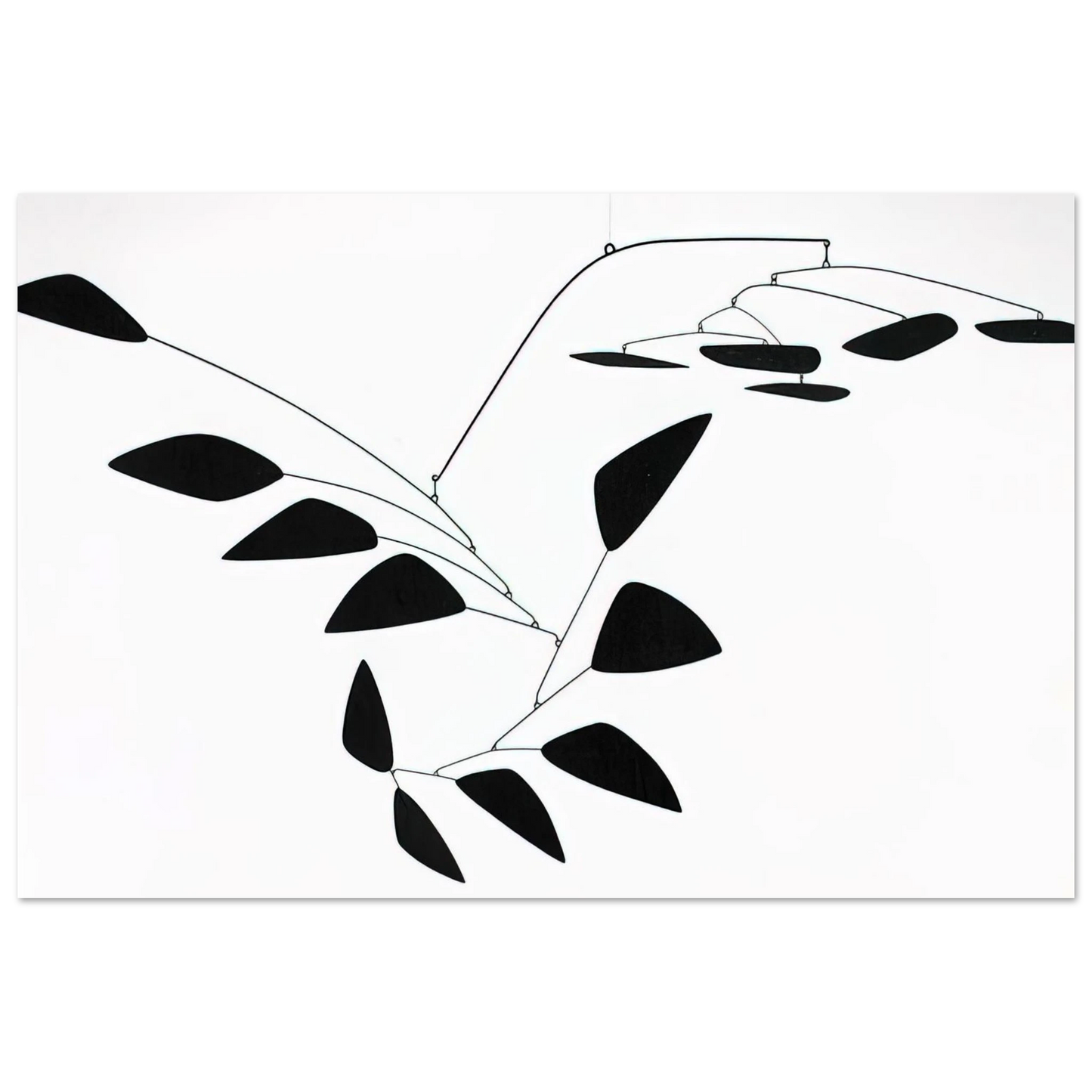
Experience the kinetic energy and rhythmic balance of Alexander Calder with this museum-quality reproduction of THE Y 1960. As a pioneer of kinetic art, Calder’s 2D works, such as this striking fine art poster, translate his sculptural mastery of spatial harmony into a bold, graphic medium. This piece captures the essence of Mid-Century Modernism, utilizing his signature primary palette and biomorphic forms to create a sense of movement that transcends the paper.
Authentic Artistry and Historical Significance
By 1960, Calder had refined his visual vocabulary to a point of effortless sophistication. 'THE Y' serves as a masterclass in tension and release; the bold black lines and vibrant geometric accents reflect his background in mechanical engineering and his fascination with the cosmic order. At RedKalion, we preserve this historical legacy by ensuring every detail—from the weight of the line to the saturation of the pigment—is rendered with absolute fidelity.
The RedKalion Archival Standard
This Alexander Calder fine art print is produced on our Master's Edition archival paper. Chosen for its luxurious texture and enduring quality, the paper features a matte, uncoated, natural white (off-white) finish that eliminates glare and highlights the depth of the ink. Our commitment to excellence includes:
- Weight & Thickness: A substantial 250 gsm (110 lb) weight and 0.29 mm (11.4 mils) thickness for a premium, heavy-duty feel.
- Longevity: Acid-free (pH above 7) construction ensures your investment will not yellow or degrade over time.
- Sustainability: Printed on FSC-certified paper, supporting responsible forest management.
- Bespoke Fulfillment: Every piece is printed on demand with meticulous attention to detail, ensuring no excess waste.
Invite a piece of 20th-century art history into your home. This archival masterpiece is designed to endure, providing a sophisticated focal point for the discerning collector.

Discover Unlimited Art Possibilities
At RedKalion, you can find virtually any artwork from any artist, available in a wide range of sizes to perfectly match your space.
If you didn’t find what you’re looking for, contact us at support@redkalion.com . We will source any artwork and produce it in any size and format you need, including art prints, posters, canvas, framed pieces, framed canvas, and more.
For dedicated art enthusiasts, we also offer handcrafted replicas of any artwork, carefully painted by highly skilled artists using traditional techniques.
For custom requests, contact us at support@redkalion.com .
What defines the paper quality of this Alexander Calder print?
We use Master's Edition archival paper, which is a 250 gsm (110 lb) museum-quality stock. This heavy-duty paper features a natural white, matte finish and a thickness of 0.29 mm, providing a luxurious, gallery-standard texture for Calder’s vibrant compositions.
How does RedKalion ensure the longevity of the colors?
Our prints are created on acid-free paper with a pH level above 7. This archival-grade material prevents yellowing and ink degradation, ensuring that the primary colors in 'THE Y 1960' remain vivid and true for generations.
Is the paper used for 'THE Y 1960' sustainably sourced?
Yes, RedKalion is committed to environmental responsibility. All of our fine art posters are printed on FSC-certified paper, which guarantees that the materials are sourced from responsibly managed forests that provide environmental and social benefits.
What are the shipping and fulfillment details?
We offer on-demand printing with no minimum order requirements. Each Alexander Calder poster is printed specifically for you and shipped in protective, high-quality packaging to ensure it arrives at your door in pristine, museum-ready condition.
Does this fine art poster come with a frame?
This product is a standalone fine art print. By providing the print only, we allow collectors the freedom to select a bespoke frame that matches their specific interior design and preservation preferences.
What is the significance of the year 1960 in Alexander Calder’s career?
By 1960, Calder was an international icon of modern art. This era marked his total mastery of balance between his famous mobiles and his 'stabiles' or graphic works, showcasing a mature, confident use of abstraction.
What does the composition of 'THE Y' represent in Calder’s visual language?
'THE Y' embodies Calder’s interest in spatial relationships and equilibrium. The composition uses minimalist forms to suggest a larger, invisible structure, mimicking the way his sculptures interact with air and movement.