RedKalion
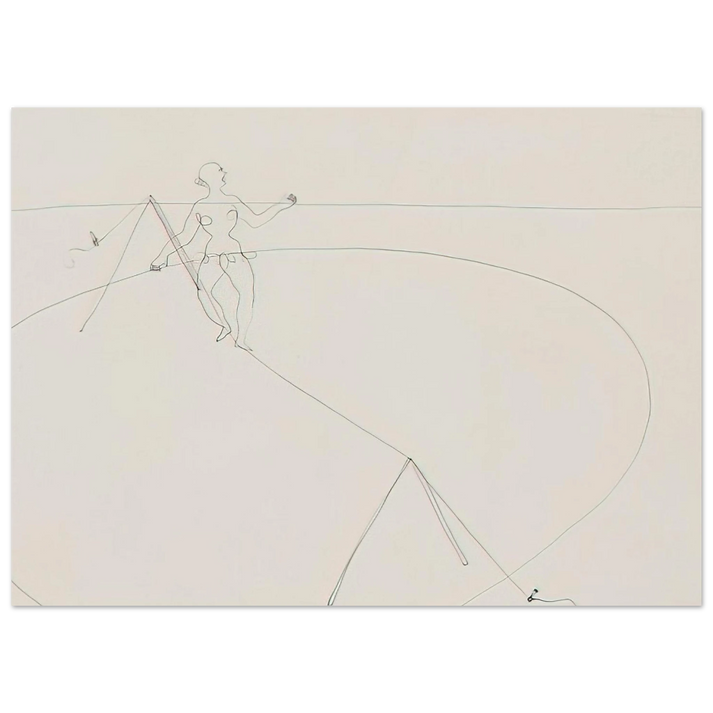
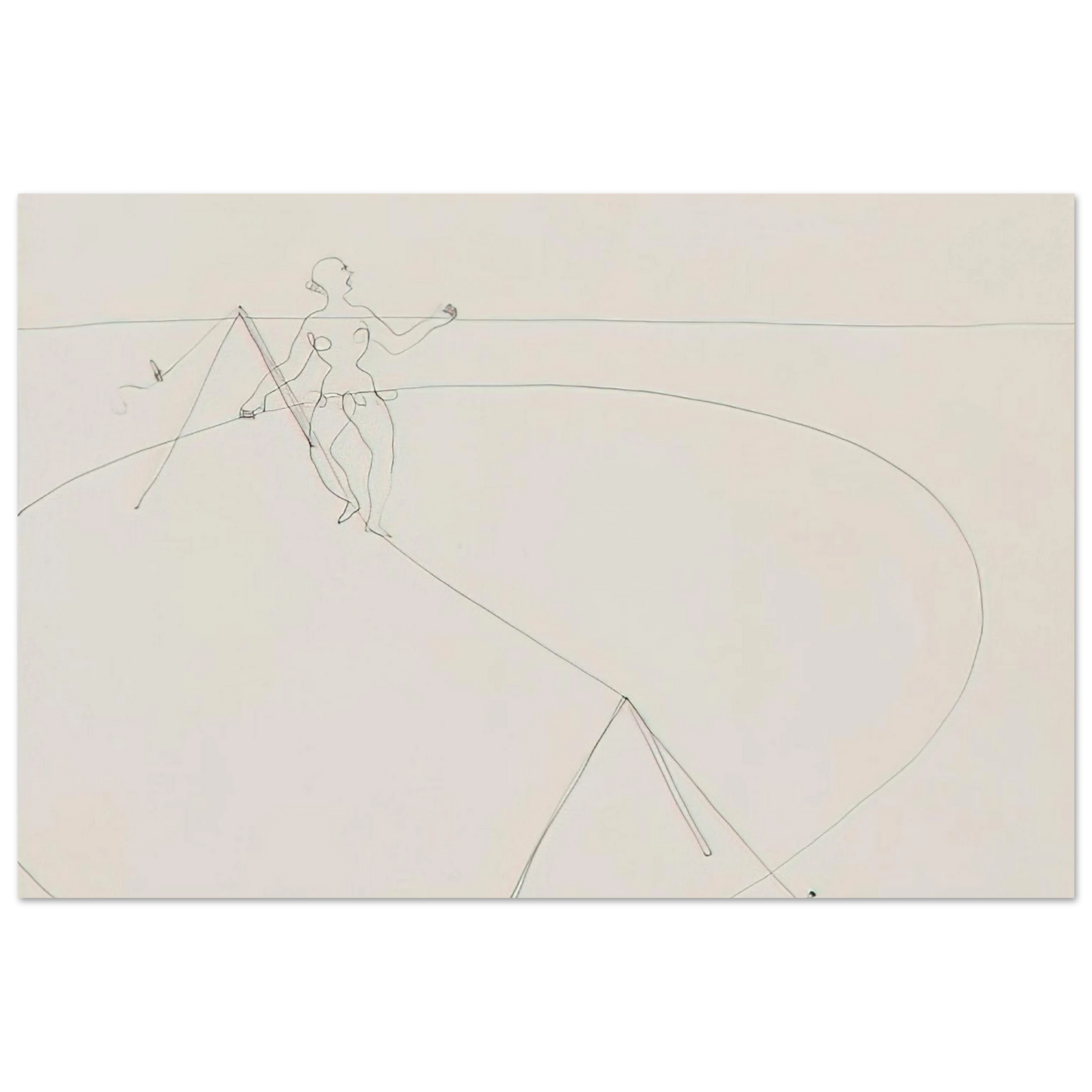
Alexander Calder - TIGHTROPE WALKER 1932 Fine Art Poster
Alexander Calder - TIGHTROPE WALKER 1932 Fine Art Poster
Couldn't load pickup availability
The Essence of Kinetic Mastery: Alexander Calder's 'Tightrope Walker' (1932)
Elevate your interior with Alexander Calder’s 'Tightrope Walker' (1932), a definitive example of early 20th-century modernism. Created during a pivotal era when Calder was transitioning from his legendary Cirque Calder to the abstract wire sculptures that would redefine kinetic art, this piece captures the delicate tension between gravity and grace. This fine art print showcases Calder’s signature economy of line, using minimalist strokes to evoke the profound physical presence of a performer suspended in mid-air.
A Curated Reproduction for the Discerning Collector
At RedKalion, we specialize in museum-quality reproductions that preserve the soul of the original work. This Alexander Calder fine art poster is not a mere copy; it is a meticulously crafted archival piece designed to satisfy the standards of galleries and private collectors alike. By utilizing sophisticated printing techniques on premium materials, we ensure that every rhythmic curve and intentional void of Calder's composition is rendered with absolute clarity.
Premium Material Specifications
- Paper: Master's Edition archival paper, renowned for its luxurious feel and museum-grade quality.
- Weight & Thickness: A robust 250 gsm (110 lb) weight with a substantial thickness of 0.29 mm (11.4 mils).
- Finish: An elegant matte, uncoated finish in natural white, providing a sophisticated, glare-free texture.
- Longevity: Acid-free (pH above 7) composition ensures your print remains vibrant and resistant to yellowing for generations.
- Sustainability: Printed on FSC-certified paper, supporting responsible forest management.
Introduce a sense of intellectual curiosity and avant-garde history to your space. This archival masterpiece from RedKalion allows you to own a piece of art history, crafted with the precision and care that Calder’s legacy deserves.


Discover Unlimited Art Possibilities
At RedKalion, you can find virtually any artwork from any artist, available in a wide range of sizes to perfectly match your space.
If you didn’t find what you’re looking for, contact us at support@redkalion.com . We will source any artwork and produce it in any size and format you need, including art prints, posters, canvas, framed pieces, framed canvas, and more.
For dedicated art enthusiasts, we also offer handcrafted replicas of any artwork, carefully painted by highly skilled artists using traditional techniques.
For custom requests, contact us at support@redkalion.com .
What makes the Master's Edition paper special for this Calder print?
Our Master's Edition paper is a 250 gsm (110 lb) museum-quality stock. It features a natural white, uncoated matte finish that provides a luxurious texture and eliminates glare, ensuring the Alexander Calder fine art poster looks professional in any lighting.
How long will this archival fine art print last without fading?
The print is produced on acid-free paper with a pH level above 7. This archival-grade specification prevents yellowing and degradation over time, ensuring your Alexander Calder reproduction maintains its original integrity and brilliance for decades.
Is the paper used for this fine art poster eco-friendly?
Yes. RedKalion is committed to sustainability. We use FSC-certified paper, which ensures the materials are sourced from responsibly managed forests that provide environmental, social, and economic benefits.
How is my Alexander Calder fine art poster shipped?
Your print is printed on demand to reduce waste and is shipped in robust, protective packaging. We fulfill orders locally where possible to reduce carbon emissions and ensure your artwork arrives in pristine condition.
Is there a minimum order requirement for RedKalion prints?
There are no minimum order requirements. We specialize in bespoke fulfillment, allowing you to order a single museum-quality print or a full collection with equal ease and professional care.
What was the inspiration behind Alexander Calder's 1932 Tightrope Walker?
This work stems from Calder's obsession with the circus and the physics of equilibrium. It reflects his transition from figurative wire sculptures to the abstract 'mobiles' that would eventually define his legendary career in kinetic art.
How does Alexander Calder represent movement in this static print?
Calder uses varied line weights and spatial positioning to suggest tension and potential energy. By isolating the figure against a void, he invites the viewer to perceive the invisible forces of gravity and balance.