RedKalion
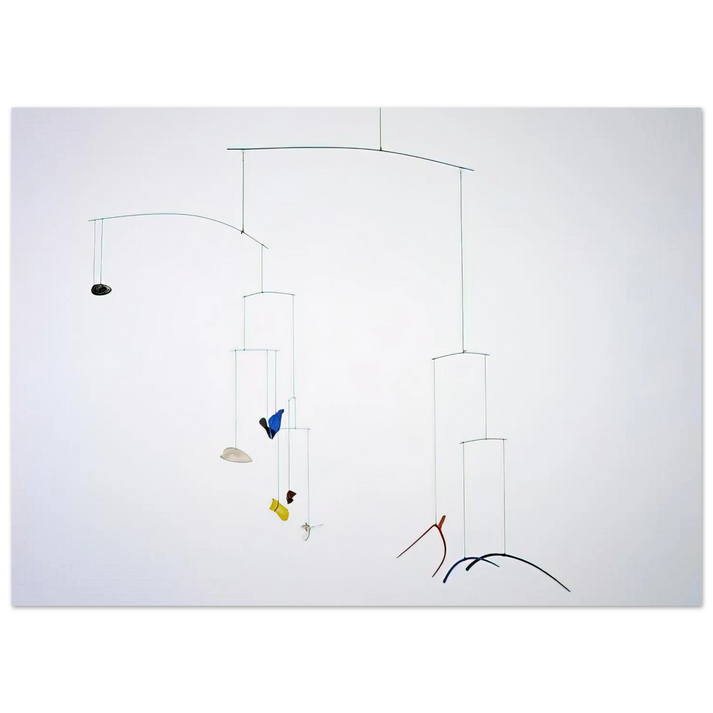
Alexander Calder - TINES 1943 Fine Art Poster
Alexander Calder - TINES 1943 Fine Art Poster
Couldn't load pickup availability
Experience the Kinetic Elegance of Alexander Calder’s Tines (1943)
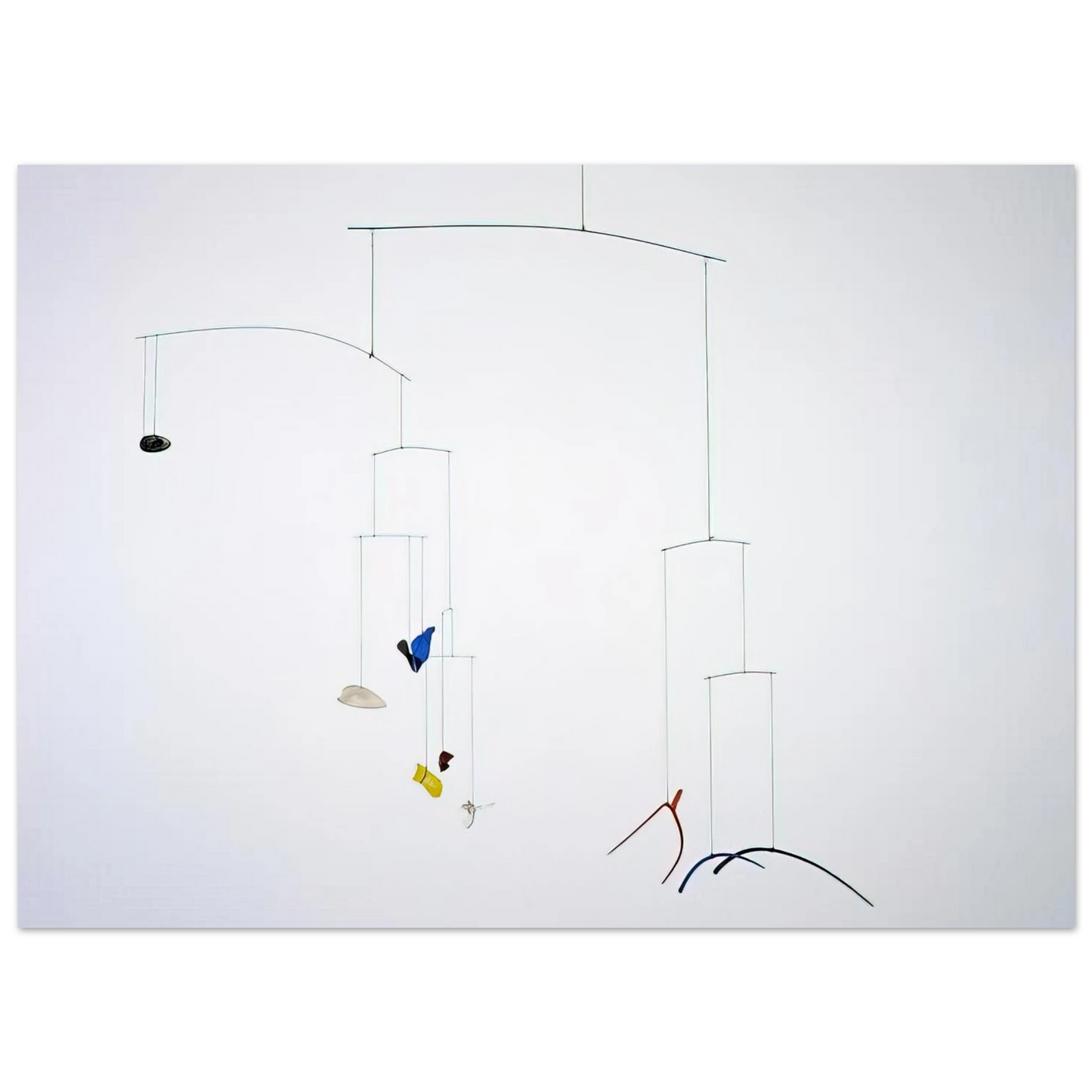
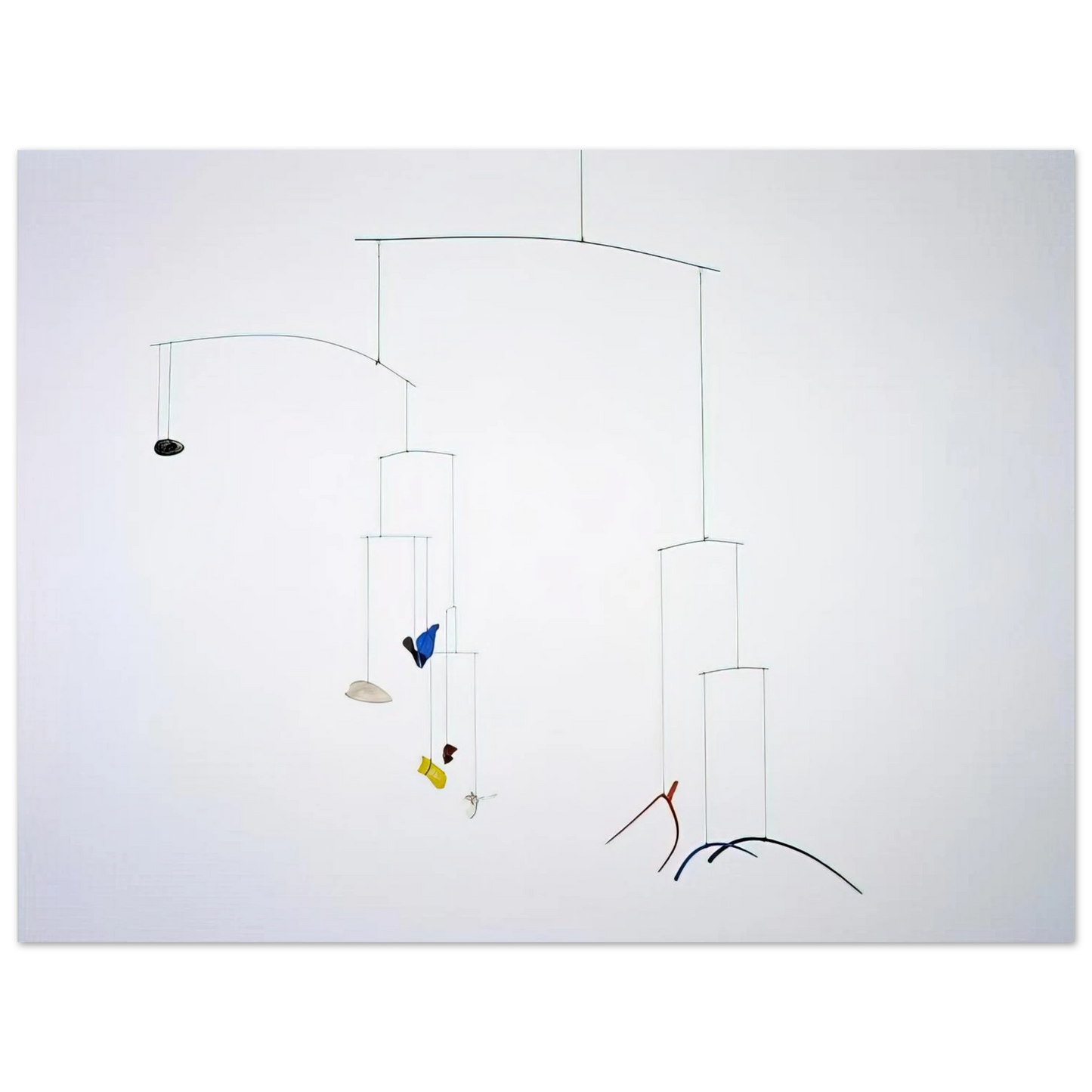
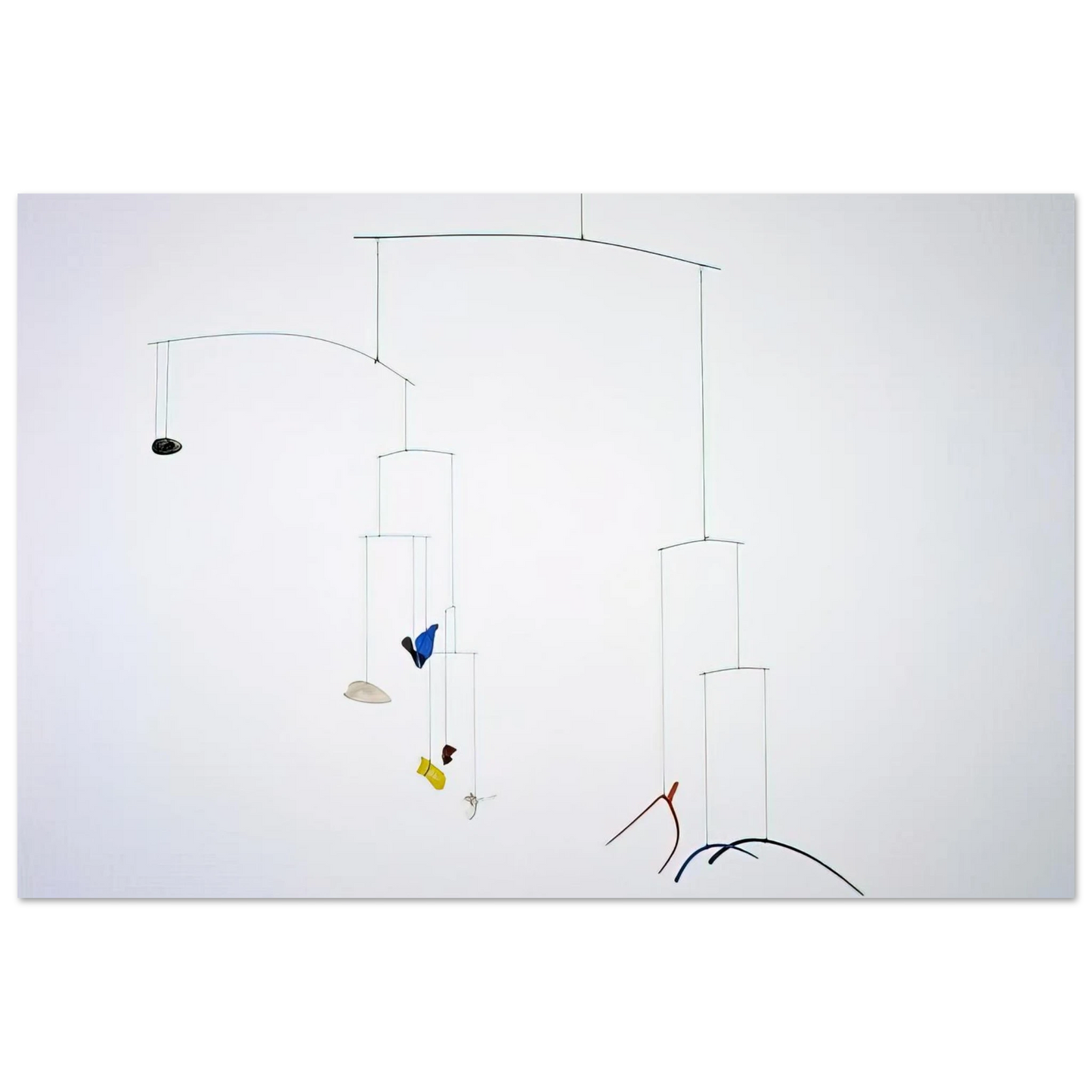
Immerse yourself in the mid-century modern mastery of Alexander Calder with our museum-quality reproduction of Tines (1943). This seminal work dates from a pivotal period in Calder’s career, coinciding with his major retrospective at the Museum of Modern Art. Tines exemplifies the artist’s unique ability to translate the fluid motion of his famous mobiles into a static, two-dimensional plane. The composition features his signature biomorphic forms and rhythmic line work, evoking a sense of balance and weightlessness that defined the 20th-century avant-garde.
As a premier curator of fine art prints, RedKalion presents this piece as a Master’s Edition archival print. Unlike standard posters, our reproduction captures the nuance of Calder’s original intent, utilizing materials designed to last for generations. The artwork is printed on 250 gsm (110 lb) natural white, acid-free paper, ensuring that the integrity of the deep blacks and organic shapes remains uncompromised by yellowing or fading.
Product Specifications & Quality:
- Premium Material: Master's Edition museum-quality, archival-grade paper.
- Luxurious Finish: Matte, uncoated texture that eliminates glare and highlights depth.
- Archival Longevity: Acid-free (pH above 7) for enduring preservation.
- Substantial Weight: 250 gsm thickness (0.29 mm) for a heavy, professional feel.
- Ethical Standards: FSC-certified paper, supporting sustainable forest management.
Elevate your interior with a piece that bridges the gap between industrial structure and organic grace. This Alexander Calder fine art poster is not merely decor; it is an archival masterpiece that honors the legacy of one of America’s most influential sculptors.
Discover Unlimited Art Possibilities
At RedKalion, you can find virtually any artwork from any artist, available in a wide range of sizes to perfectly match your space.
If you didn’t find what you’re looking for, contact us at support@redkalion.com . We will source any artwork and produce it in any size and format you need, including art prints, posters, canvas, framed pieces, framed canvas, and more.
For dedicated art enthusiasts, we also offer handcrafted replicas of any artwork, carefully painted by highly skilled artists using traditional techniques.
For custom requests, contact us at support@redkalion.com .
What are the physical characteristics of this archival print?
This print uses 250 gsm (110 lb) Master's Edition archival paper. It features a matte, uncoated finish and a natural white (off-white) base, providing a luxurious, museum-quality texture that prevents glare and enhances the visual depth of Calder's work.
How does the museum-quality paper ensure the print lasts?
We use acid-free paper with a pH above 7, which prevents the paper from yellowing or becoming brittle over time. This archival standard ensures your Alexander Calder reproduction remains as vibrant and crisp as the day it was printed.
Is this Calder reproduction sustainably produced?
Yes, RedKalion is committed to environmental responsibility. This fine art print is produced on FSC-certified paper, ensuring it comes from sustainably managed forests that provide environmental, social, and economic benefits.
How is the artwork fulfilled and shipped?
Each order is printed and shipped on demand with no minimum requirements. We use robust packaging to ensure your museum-quality poster arrives in pristine condition, ready for framing and display in your home or gallery.
What makes the RedKalion Master’s Edition unique?
Our Master’s Edition represents the pinnacle of reproduction technology. By combining heavy 250 gsm paper with archival-grade inks and an uncoated finish, we provide a tactile and visual experience that mirrors original gallery editions.
What was the significance of 1943 in Alexander Calder’s career?
1943 was a landmark year for Calder, marked by his retrospective at MoMA, NYC. During this time, his work shifted toward more complex biomorphic abstractions, reflecting the tension and innovation of the wartime era.
What does the "Tines" imagery represent in Calder’s work?
The imagery in "Tines" reflects Calder's fascination with linear structures and skeletal forms. It mimics the prongs of a fork or biological appendages, exploring the intersection between organic nature and mechanical construction.