RedKalion
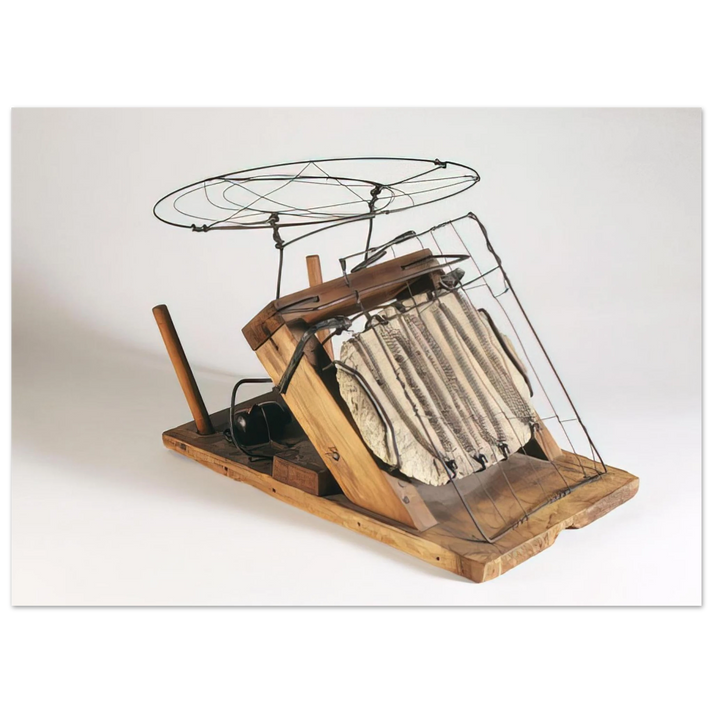
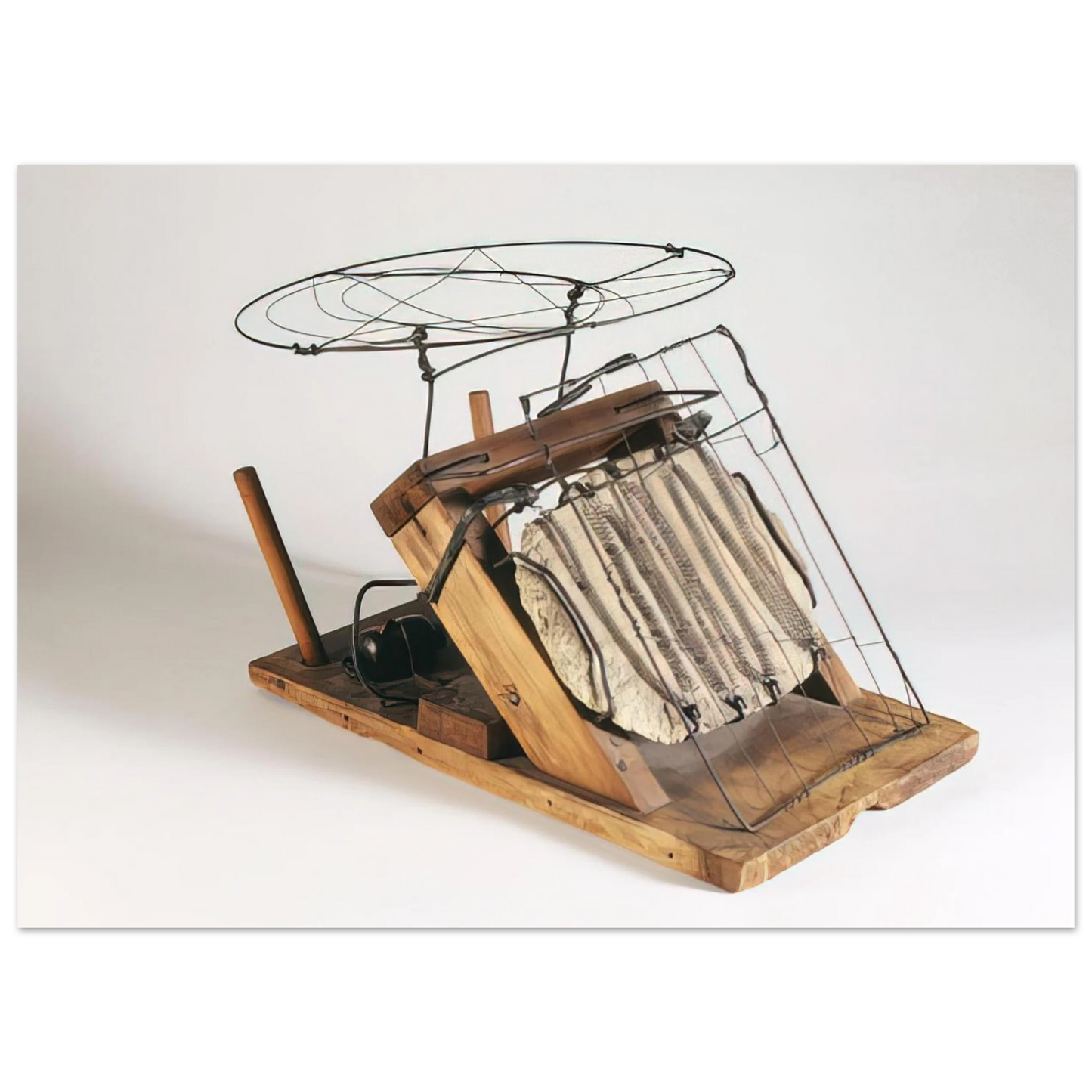
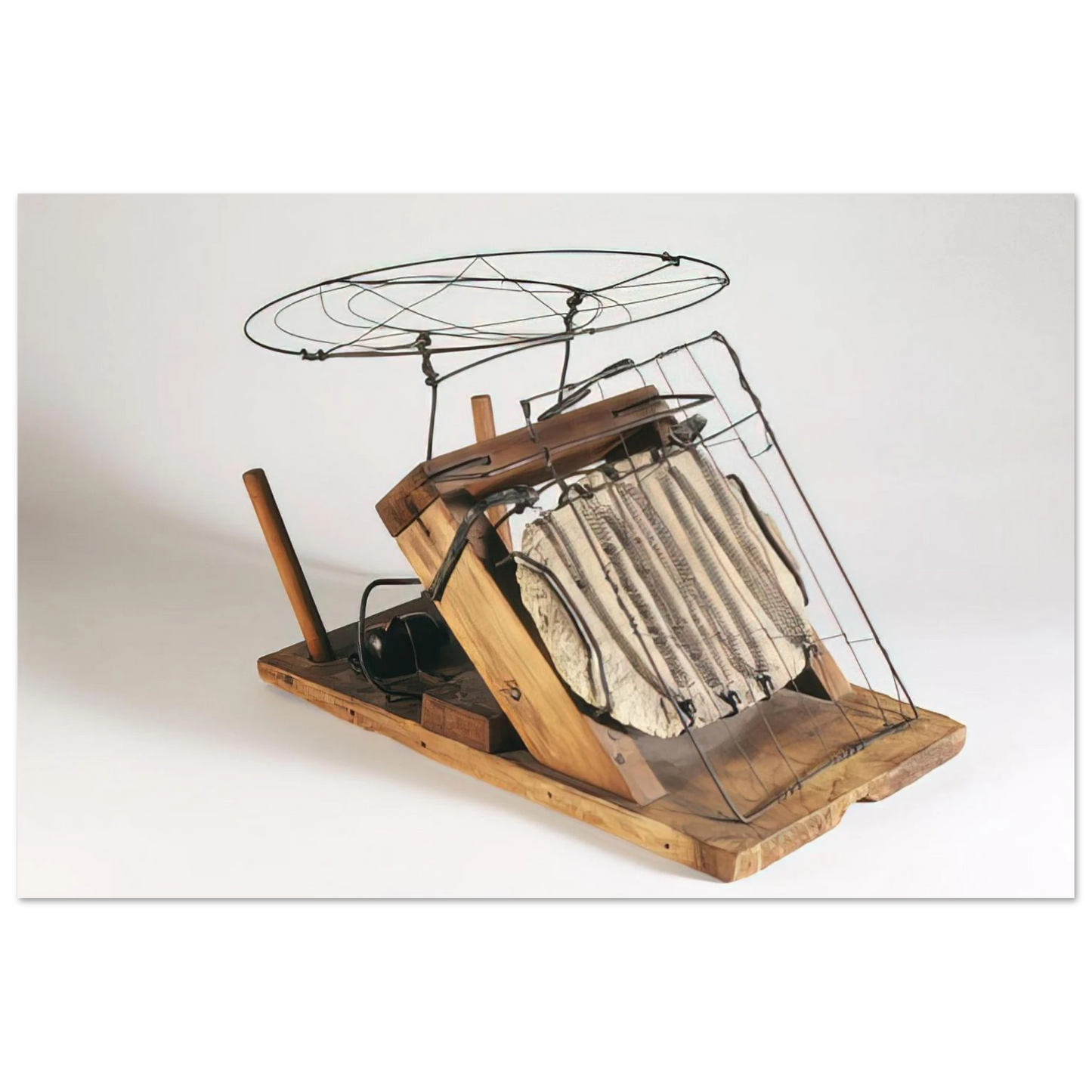
Alexander Calder - TOASTER 1942 Fine Art Poster
Alexander Calder - TOASTER 1942 Fine Art Poster
Couldn't load pickup availability
The Kinetic Legacy of Alexander Calder: Toaster (1942)
Step into the playful, mechanical world of the mid-century avant-garde with this exquisite reproduction of Alexander Calder’s Toaster 1942. While Calder is universally celebrated for inventing the mobile, his graphic works like this fine art poster possess an inherent sense of rhythmic motion and spatial balance. This piece reflects Calder’s unique ability to translate industrial themes into abstract, organic poetry, making it a cornerstone of 20th-century modernism.
RedKalion is proud to offer this museum-quality reproduction, meticulously crafted to satisfy the most discerning art collectors. To preserve the integrity of Calder’s bold forms, we utilize our Master’s Edition archival paper. This premium, off-white surface provides a sophisticated, matte finish that eliminates glare and emphasizes the rich contrast of the artist's vision. Unlike mass-produced prints, our reproductions are designed to endure for generations, serving as an archival masterpiece for your home or office.
Product Specifications & Quality Standards
- Premium Substrate: 250 gsm (110 lb) museum-quality archival paper for a substantial, luxurious feel.
- Fine Art Finish: Uncoated, natural white (off-white) matte texture that enhances depth and color accuracy.
- Archival Integrity: Acid-free and pH-buffered (above 7) to prevent yellowing or degradation over time.
- Elite Construction: A thickness of 0.29 mm (11.4 mils) ensures the print remains flat and durable.
- Ethical Sourcing: Printed on FSC-certified paper, supporting responsible forest management.

Discover Unlimited Art Possibilities
At RedKalion, you can find virtually any artwork from any artist, available in a wide range of sizes to perfectly match your space.
If you didn’t find what you’re looking for, contact us at support@redkalion.com . We will source any artwork and produce it in any size and format you need, including art prints, posters, canvas, framed pieces, framed canvas, and more.
For dedicated art enthusiasts, we also offer handcrafted replicas of any artwork, carefully painted by highly skilled artists using traditional techniques.
For custom requests, contact us at support@redkalion.com .
What defines the quality of this Alexander Calder Toaster 1942 print?
This print is a museum-quality reproduction on Master’s Edition archival paper. At 250 gsm, it offers a heavy, premium feel with a matte, uncoated finish that honors the artist’s original intent without glare.
Is the paper used for this fine art poster sustainable?
Yes, RedKalion uses FSC-certified paper for every Calder reproduction. This ensures the materials are sourced from responsibly managed forests that provide environmental, social, and economic benefits.
How does the archival quality prevent the artwork from aging?
Our paper is strictly acid-free with a pH level above 7. This chemical balance prevents the paper from yellowing or becoming brittle, ensuring the Toaster 1942 print remains vibrant for decades.
What are the exact physical specifications of the print?
The print features a thickness of 0.29 mm (11.4 mils) and a weight of 250 gsm (110 lb). This robust construction ensures the fine art poster maintains its structural integrity and luxury appeal.
How is shipping and fulfillment handled for RedKalion orders?
We provide on-demand fulfillment with no minimum orders. Each print is produced specifically for the buyer and shipped in protective, secure packaging to ensure it arrives in gallery-ready condition.
What is the historical significance of Calder's 1942 graphic works?
In 1942, Calder was deeply exploring the intersection of mechanical forms and abstraction. Toaster reflects his transition from physical kinetic sculpture to graphic representations of energy, utilizing a gouache-like aesthetic common in his wartime era.
Why is Alexander Calder’s work considered essential for modern interiors?
Calder’s work, such as the Toaster fine art poster, bridges the gap between industrial design and fine art. His use of primary colors and geometric abstraction provides a timeless, sophisticated focal point for modern spaces.