RedKalion
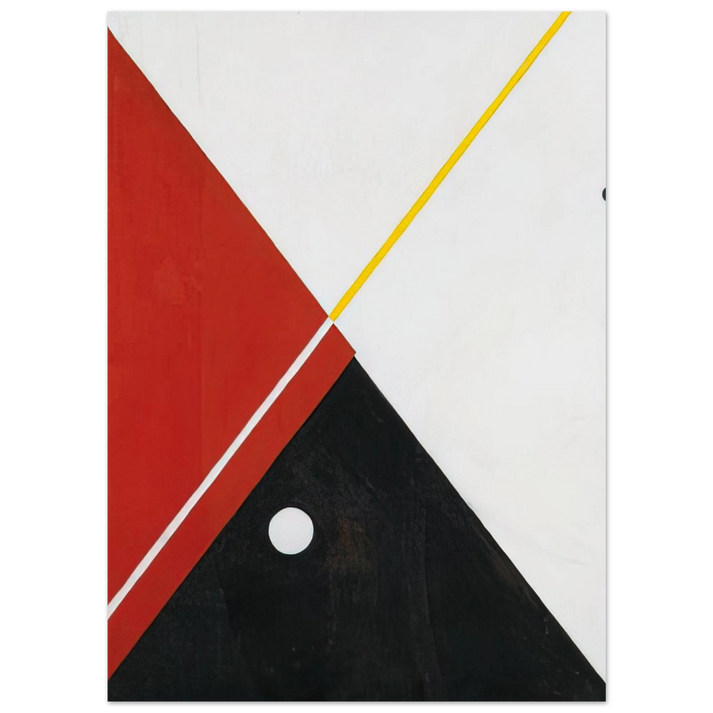
Alexander Calder - UNTITLED 1930 0 Fine Art Poster
Alexander Calder - UNTITLED 1930 0 Fine Art Poster
Couldn't load pickup availability
Alexander Calder: A Masterpiece of Early Abstraction
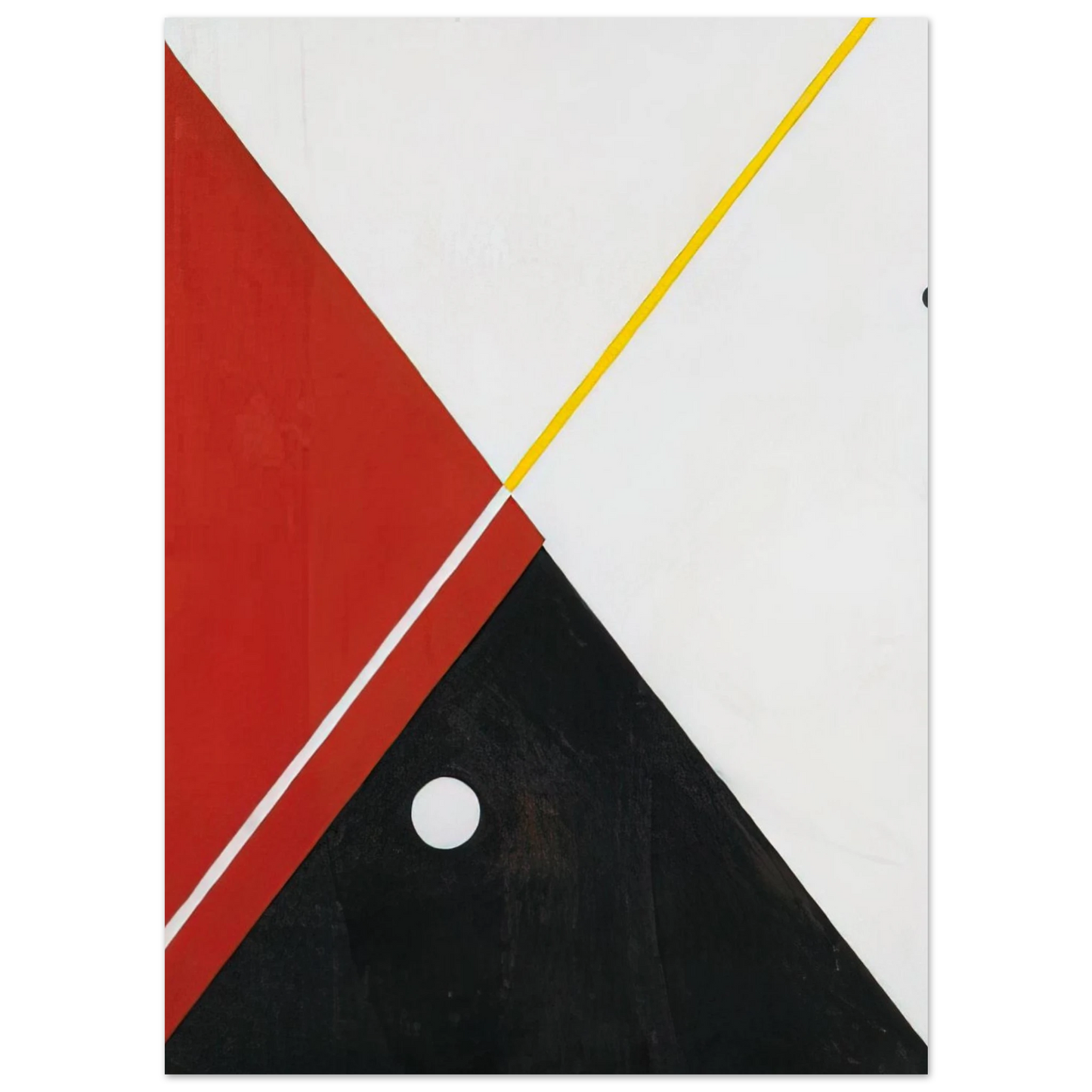
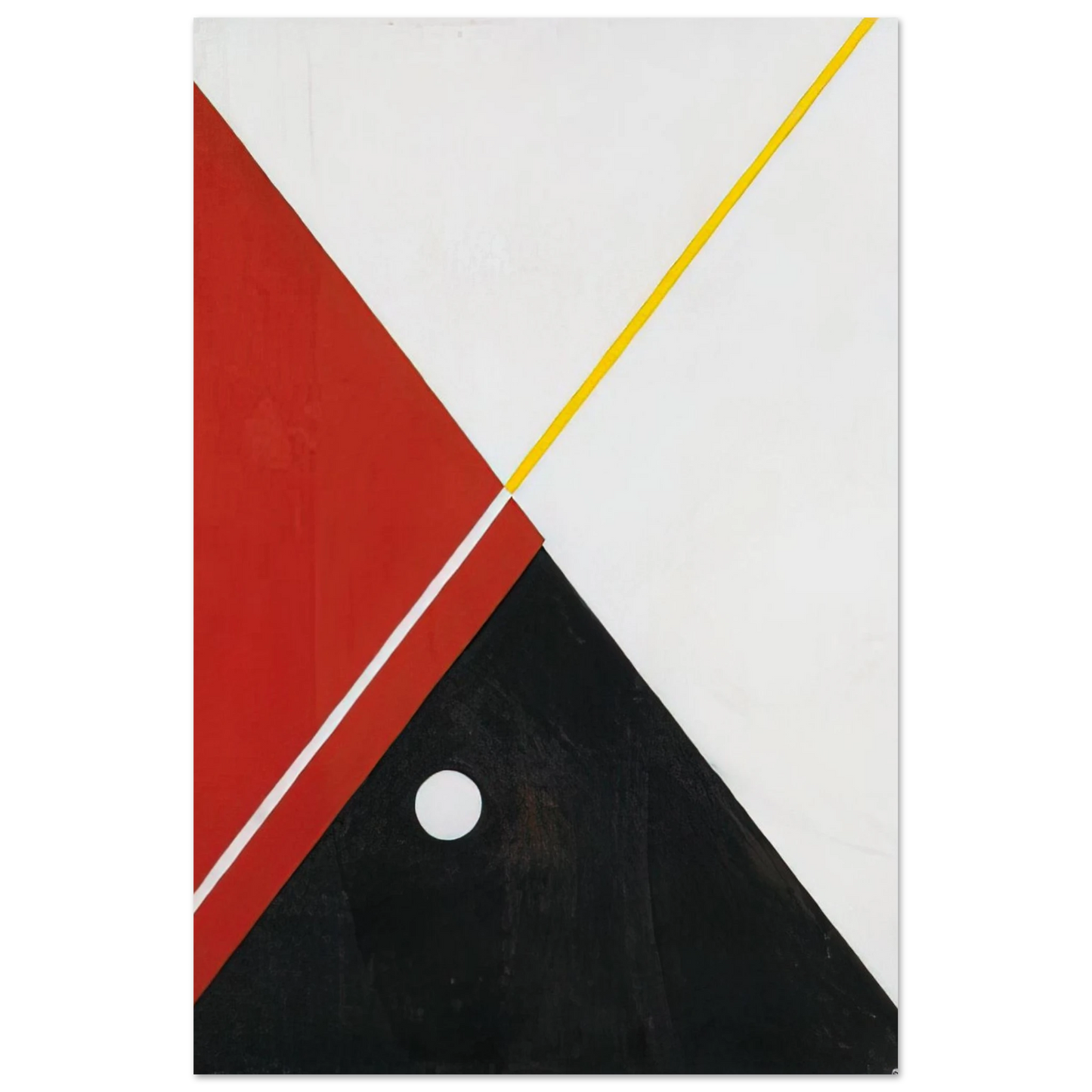
Experience the dawn of kinetic modernism with RedKalion’s museum-quality reproduction of Alexander Calder’s UNTITLED 1930. This pivotal year marked a revolutionary shift in Calder’s career; following a transformative visit to Piet Mondrian’s studio in Paris, he transitioned from figurative wire sculpture to the bold, geometric abstraction that would eventually lead to the invention of the mobile. This fine art print captures that electric moment of discovery, where primary forms and spatial rhythm began to redefine the boundaries of 20th-century art.
Archival Excellence for the Discerning Collector
At RedKalion, we believe that world-class art deserves a canvas of equal caliber. Our Alexander Calder fine art posters are printed on our prestigious Master’s Edition archival paper. This premium, off-white, uncoated paper provides a luxurious, tactile finish that prevents glare, allowing the minimalist power of Calder’s composition to take center stage in any lighting environment.
Technical Specifications
- Paper Quality: 250 gsm (110 lb) Master's Edition archival paper.
- Durability: Acid-free (pH above 7) to ensure your print remains vibrant without yellowing or degradation for decades.
- Texture: Natural white, matte finish with a thickness of 0.29 mm (11.4 mils).
- Sustainability: Printed on FSC-certified paper, reflecting our commitment to ethical curation.
- Fulfillment: Each piece is printed on demand with meticulous attention to detail, ensuring zero waste and peak quality.
By choosing RedKalion, you are not merely purchasing a reproduction; you are investing in a sophisticated piece of art history, crafted to endure as long as the legacy of Calder himself. Elevate your interior with a masterpiece that balances mid-century heritage with contemporary elegance.

Discover Unlimited Art Possibilities
At RedKalion, you can find virtually any artwork from any artist, available in a wide range of sizes to perfectly match your space.
If you didn’t find what you’re looking for, contact us at support@redkalion.com . We will source any artwork and produce it in any size and format you need, including art prints, posters, canvas, framed pieces, framed canvas, and more.
For dedicated art enthusiasts, we also offer handcrafted replicas of any artwork, carefully painted by highly skilled artists using traditional techniques.
For custom requests, contact us at support@redkalion.com .
What are the print specifications for Calder's Untitled 1930?
This reproduction is printed on 250 gsm Master's Edition archival paper with a thickness of 0.29 mm. It features a natural white, matte finish that provides a luxurious, museum-quality feel without the glare often found in lower-quality posters.
Is this an original Alexander Calder or a reproduction?
This is a premium museum-quality reproduction curated by RedKalion. We use advanced printing techniques to capture the essence and historical integrity of Calder's 1930 abstract work, making fine art accessible to collectors worldwide.
How does RedKalion ensure the longevity of the fine art poster?
Our prints are acid-free with a pH above 7, which prevents the paper from yellowing or becoming brittle over time. This archival standard ensures your Alexander Calder print remains a centerpiece in your collection for years.
What kind of paper is used for this Alexander Calder print?
We use FSC-certified Master's Edition paper. It is a heavy-weight, 110 lb (250 gsm) paper that is uncoated and natural white, offering a sophisticated texture that complements the minimalist aesthetic of 1930s abstraction.
How is the shipping handled for museum-quality prints?
At RedKalion, we print and ship on demand to ensure the highest quality control. There are no minimum order requirements, and each print is carefully packaged to arrive in pristine, gallery-ready condition.
What is the significance of the year 1930 in Alexander Calder’s career?
1930 was the turning point when Calder visited Piet Mondrian's studio. This encounter inspired him to move away from wire circus figures toward pure abstraction, laying the groundwork for his legendary mobiles and stationary 'stabiles'.
Why is the paper described as "natural white"?
Natural white refers to a sophisticated off-white tone that avoids the harsh, blueish tint of bleached papers. This provides a warmer, more authentic historical look that better mimics the original canvases and papers used by early 20th-century masters.