
RedKalion
Alexander Calder - UNTITLED 1930 1 Fine Art Poster
Alexander Calder - UNTITLED 1930 1 Fine Art Poster
Couldn't load pickup availability
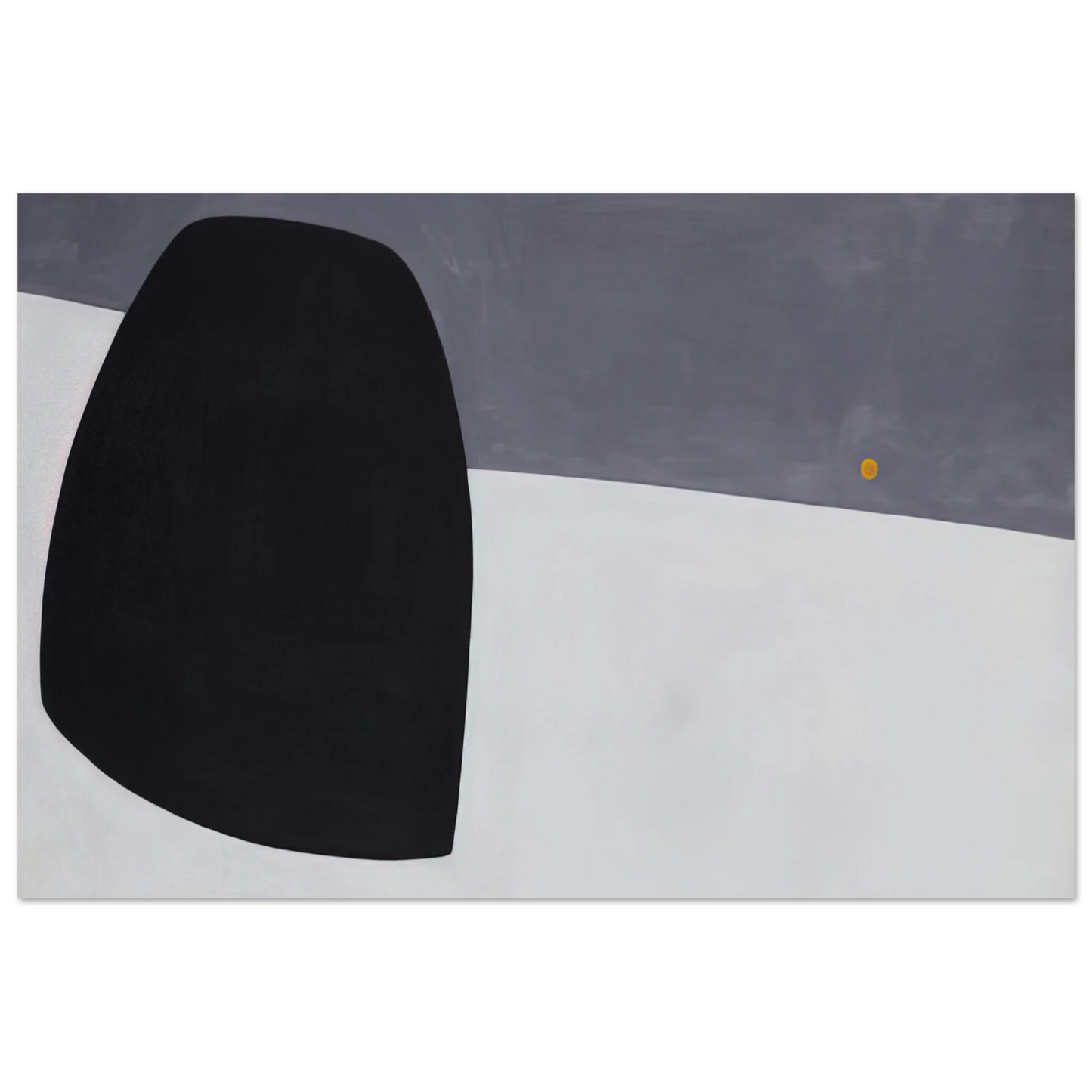
Alexander Calder’s Untitled (1930): The Genesis of Kinetic Abstraction
In 1930, Alexander Calder experienced a creative epiphany following a visit to Piet Mondrian's studio in Paris. This encounter shifted his trajectory from figurative wire sculptures to the bold, geometric abstraction that would eventually lead to the invention of the mobile. This Untitled 1930 fine art print captures that pivotal moment in Modernist history, showcasing a masterful balance of form, space, and primary intent.
As a cornerstone of early 20th-century avant-garde art, this piece brings a sophisticated, minimalist energy to any interior. At RedKalion, we preserve the integrity of Calder's vision through our Master's Edition archival paper. This museum-quality reproduction ensures that the stark contrasts and precise lines of the original work are rendered with unparalleled clarity, offering an aesthetic experience that resonates with the depth of a gallery original.
This museum-quality reproduction is crafted for the discerning collector. We utilize a 250 gsm (110 lb) natural white, matte paper that provides a luxurious, uncoated finish. This acid-free, pH-buffered substrate ensures your investment remains vibrant for generations, free from the yellowing or degradation common in standard prints. Elevate your collection with a piece that embodies the spirit of innovation and the enduring legacy of Alexander Calder.
- Archival Excellence: Printed on FSC-certified, acid-free paper (pH above 7).
- Premium Texture: Heavyweight 0.29 mm thickness for a substantial, tactile feel.
- Sophisticated Finish: A matte, off-white surface that eliminates glare and highlights depth.
- Sustainability: Responsibly sourced materials for a footprint as clean as the art itself.


Discover Unlimited Art Possibilities
At RedKalion, you can find virtually any artwork from any artist, available in a wide range of sizes to perfectly match your space.
If you didn’t find what you’re looking for, contact us at support@redkalion.com . We will source any artwork and produce it in any size and format you need, including art prints, posters, canvas, framed pieces, framed canvas, and more.
For dedicated art enthusiasts, we also offer handcrafted replicas of any artwork, carefully painted by highly skilled artists using traditional techniques.
For custom requests, contact us at support@redkalion.com .
What are the specifications of the paper used for this Calder print?
We use Master's Edition archival paper, which is a 250 gsm (110 lb) heavyweight, museum-quality substrate. It features a natural white, matte finish and is 0.29 mm thick, providing a premium, tactile gallery feel.
Will this fine art poster yellow or fade over time?
No. Our prints are produced on acid-free paper with a pH value above 7. This archival standard prevents yellowing and ensures the longevity of the ink, keeping your Alexander Calder reproduction pristine for decades.
How is my order fulfilled and shipped?
At RedKalion, we fulfill orders on demand with no minimum requirements. Each print is meticulously packaged to ensure it arrives in perfect condition, ready for framing in your home or office.
Is the paper used for this reproduction sustainable?
Yes, we prioritize environmental responsibility. The archival paper used for this Alexander Calder print is FSC-certified, ensuring it comes from responsibly managed forests that provide environmental and social benefits.
What is the texture and finish of the print?
The print features a luxurious matte, uncoated finish. The natural white (off-white) tone of the paper provides a sophisticated backdrop that enhances the colors without the distracting glare of glossy alternatives.
What is the significance of the year 1930 in Alexander Calder’s career?
1930 was Calder's breakthrough year. After visiting Mondrian’s studio, he abandoned representational art for abstraction. This 'Untitled' period represents his first exploration into the non-objective forms that would eventually define kinetic sculpture.
Does this print accurately represent the original artwork's colors?
Yes. Our high-fidelity printing process is designed to match the specific tonal qualities of Calder's 1930 palette, ensuring that the primary colors and geometric shapes are as bold and impactful as the original.