RedKalion
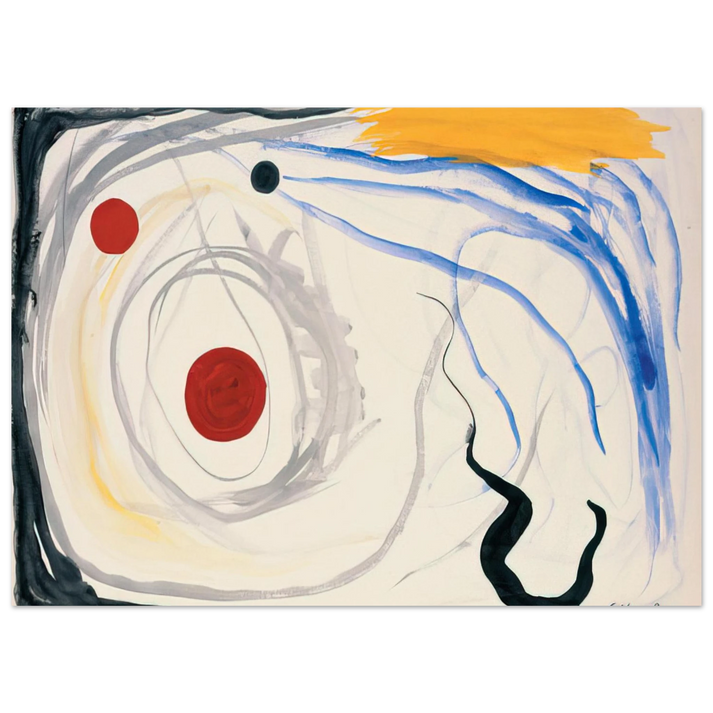
Alexander Calder - UNTITLED 1946 2 Fine Art Poster
Alexander Calder - UNTITLED 1946 2 Fine Art Poster
Couldn't load pickup availability
Alexander Calder: UNTITLED 1946 2 – A Masterpiece of Kinetic Modernism
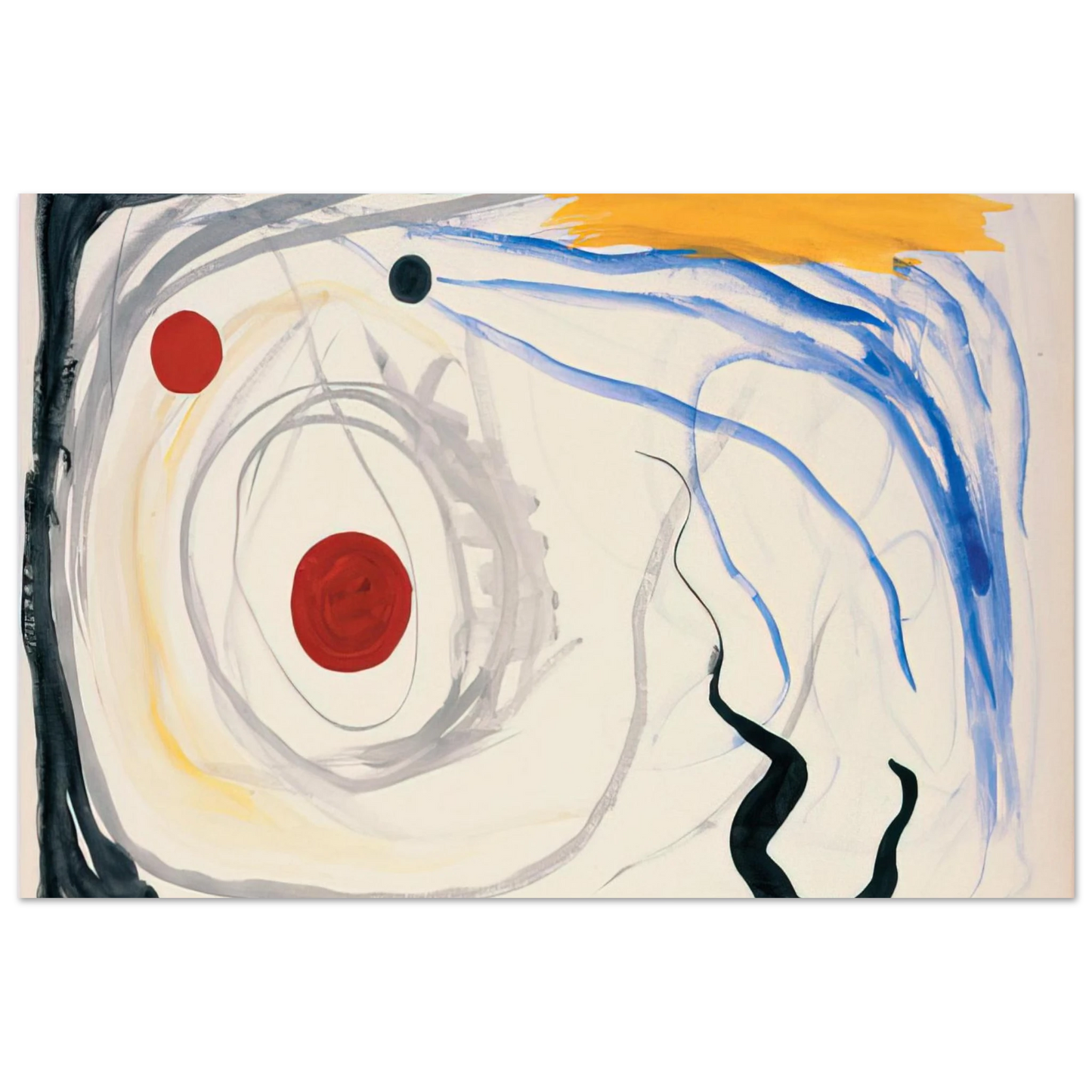
Experience the vibrant energy of the mid-20th century with Alexander Calder’s UNTITLED 1946 2, a definitive expression of the artist’s mastery over form, balance, and color. Known primarily for his revolutionary mobiles, Calder’s work on paper translates the same principles of kinetic movement into two-dimensional space. This fine art print captures the bold primary palette and biomorphic shapes that defined the post-war avant-garde, offering a sophisticated focal point for any modern interior.
Archival Excellence for the Discerning Collector
At RedKalion, we curate museum-quality reproductions that honor the integrity of the original work. This edition is meticulously produced on our Master's Edition archival paper, chosen for its luxurious texture and superior longevity. Unlike standard posters, our fine art reproduction utilizes acid-free materials to ensure the vibrant reds and deep blacks remain as striking as the day they were printed.
Technical Specifications
- Paper Grade: Master's Edition museum-quality archival paper.
- Weight & Thickness: A substantial 250 gsm (110 lb) weight with a 0.29 mm (11.4 mils) thickness for a premium feel.
- Finish: Matte, uncoated, natural white (off-white) to eliminate glare and provide a rich tactile experience.
- Sustainability: Printed on FSC-certified paper, reflecting our commitment to responsible forestry.
- Durability: Acid-free composition (pH above 7) prevents yellowing and degradation over decades.
By choosing RedKalion, you are investing in an archival masterpiece that endures. Every print is fulfilled on demand with precision, ensuring that the legacy of Alexander Calder is preserved through the highest standards of contemporary printmaking technology.


Discover Unlimited Art Possibilities
At RedKalion, you can find virtually any artwork from any artist, available in a wide range of sizes to perfectly match your space.
If you didn’t find what you’re looking for, contact us at support@redkalion.com . We will source any artwork and produce it in any size and format you need, including art prints, posters, canvas, framed pieces, framed canvas, and more.
For dedicated art enthusiasts, we also offer handcrafted replicas of any artwork, carefully painted by highly skilled artists using traditional techniques.
For custom requests, contact us at support@redkalion.com .
What is the quality of the paper used for this Alexander Calder print?
We use Master's Edition archival paper, a 250 gsm (110 lb) museum-quality substrate. Its 0.29 mm thickness and uncoated natural white finish provide a luxurious, glare-free texture suitable for high-end galleries.
How long will this archival print last without yellowing?
This print is acid-free with a pH value above 7, specifically designed to prevent yellowing and paper degradation over time. It is an archival-grade reproduction meant to last for generations under standard display conditions.
How is the UNTITLED 1946 2 poster shipped?
Your Alexander Calder fine art print is printed and shipped on demand with no minimum orders. We use secure, protective packaging to ensure the piece arrives in pristine condition at your doorstep.
Is the paper used for this fine art reproduction sustainable?
Yes, all prints in our gallery are produced on FSC-certified paper. This ensures that the materials are sourced from responsibly managed forests that provide environmental, social, and economic benefits.
Does the print have a glossy or matte finish?
This print features a matte, uncoated finish. This specific choice enhances the depth of the pigments and allows the natural white of the paper to show through, avoiding the distracting reflections common in glossy prints.
What does UNTITLED 1946 2 represent in Calder's career?
Produced in 1946, this piece reflects Calder's post-WWII shift toward a more structured abstract vocabulary. It demonstrates his ability to suggest motion and spatial depth on a flat surface through balanced, biomorphic geometry.
How does Calder’s 2D work relate to his famous mobiles?
Calder viewed his gouaches and prints as extensions of his kinetic sculptures. The shapes found in UNTITLED 1946 2 are 'stabiles' on paper, using color and weight to imply the same equilibrium found in his hanging mobiles.