RedKalion
Alexander Calder - UNTITLED 1963 Fine Art Poster
Alexander Calder - UNTITLED 1963 Fine Art Poster
Couldn't load pickup availability
The Kinetic Equilibrium of Alexander Calder: Untitled 1963
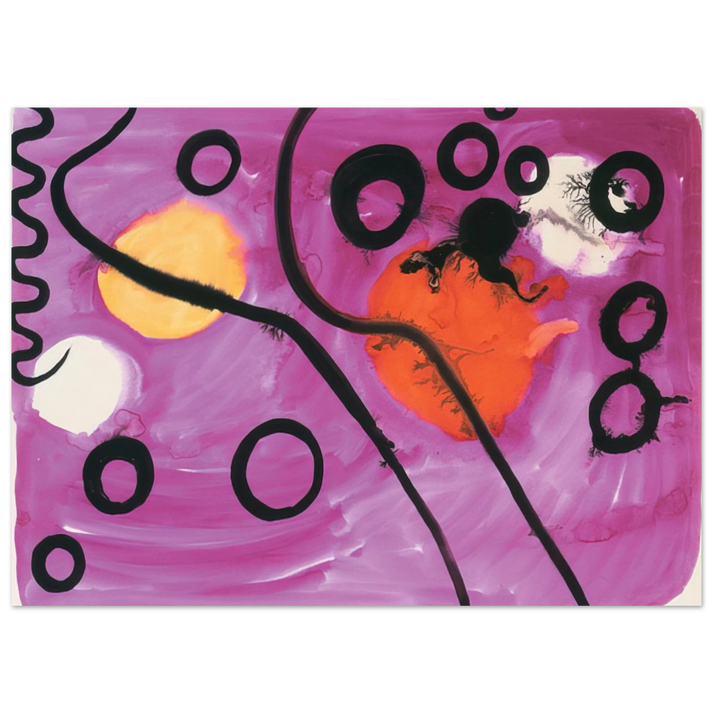
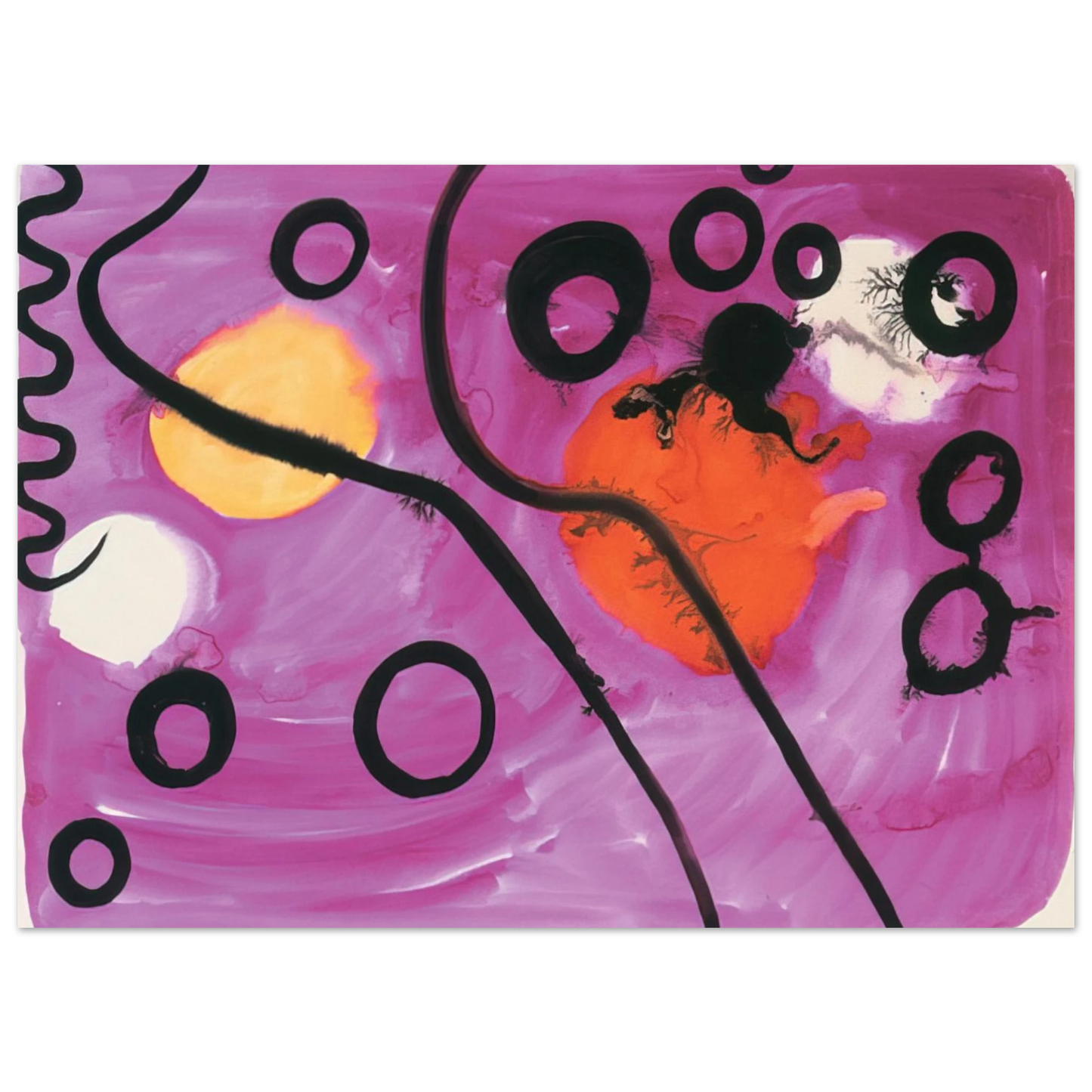
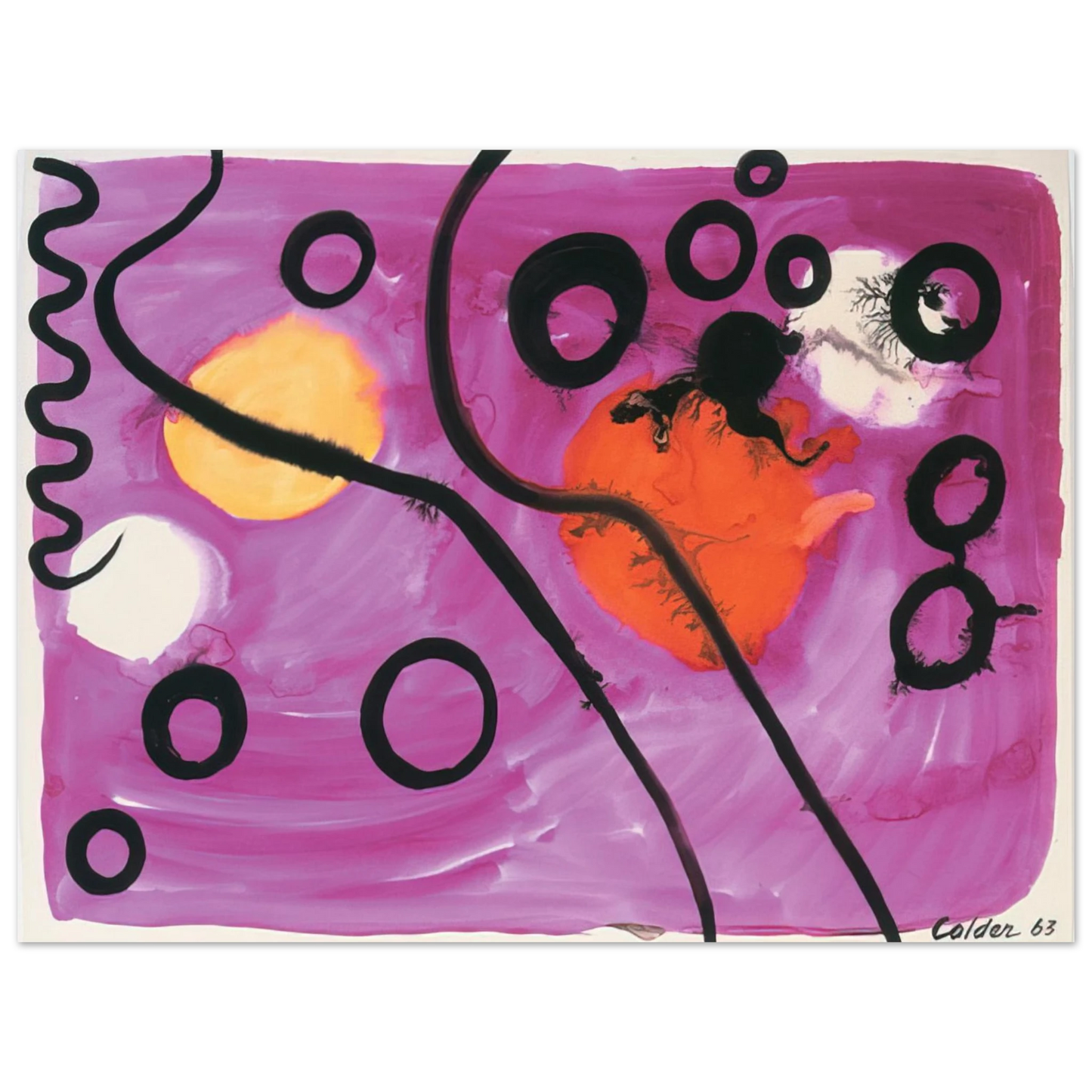
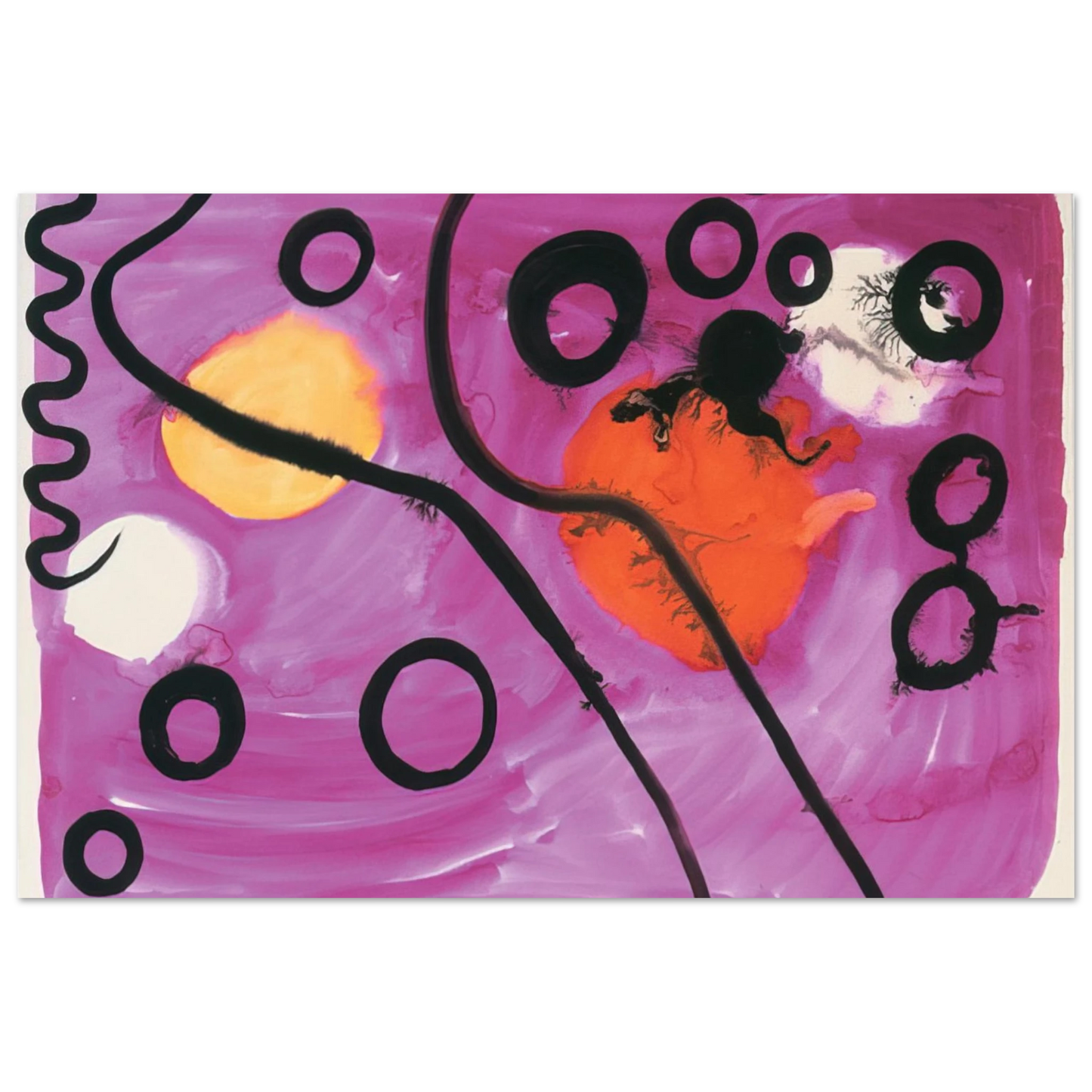
Experience the vibrant harmony of Alexander Calder’s Untitled 1963, a masterwork that captures the essence of the kinetic art movement in a two-dimensional form. This piece is a testament to Calder’s unique ability to balance weight, color, and negative space, reflecting the same playful yet precise geometry found in his world-renowned mobiles. As a fine art poster, this work serves as a cornerstone for any mid-century modern or contemporary collection, embodying the spirit of 20th-century abstraction.
The RedKalion Standard: Museum-Quality Reproductions
At RedKalion, we believe that world-class art deserves world-class materials. Our reproduction of Untitled 1963 is meticulously crafted on Master's Edition archival paper. This heavy-weight, 250 gsm (110 lb) paper provides a luxurious, substantial feel that honors the original artist's intent. The matte, uncoated, natural white finish ensures a non-reflective surface, allowing the bold primary colors and deep blacks of Calder’s palette to resonate with authentic depth and clarity.
Uncompromising Longevity and Craftsmanship
To ensure your museum-quality print remains a legacy piece, we utilize acid-free (pH above 7) materials that prevent yellowing and degradation over time. With a thickness of 0.29 mm (11.4 mils), this print offers the structural integrity required for high-end framing and gallery display. Every piece is printed on FSC-certified paper, reflecting RedKalion’s commitment to sustainable, responsible curation. Elevate your living or workspace with an archival masterpiece that endures through generations.
- Artist: Alexander Calder
- Year: 1963
- Paper: 250 gsm Master's Edition Archival
- Finish: Matte, Off-white (Natural White)
- Sustainability: FSC-certified, Acid-free
Discover Unlimited Art Possibilities
At RedKalion, you can find virtually any artwork from any artist, available in a wide range of sizes to perfectly match your space.
If you didn’t find what you’re looking for, contact us at support@redkalion.com . We will source any artwork and produce it in any size and format you need, including art prints, posters, canvas, framed pieces, framed canvas, and more.
For dedicated art enthusiasts, we also offer handcrafted replicas of any artwork, carefully painted by highly skilled artists using traditional techniques.
For custom requests, contact us at support@redkalion.com .
What makes the Master's Edition paper suitable for a Calder print?
Our 250 gsm Master's Edition paper is museum-quality, offering a luxurious matte finish that prevents glare. This ensures the bold, graphic shapes of Alexander Calder’s work are visible from any angle in your home.
How does the archival quality prevent the print from aging?
The paper is acid-free with a pH above 7, which chemically prevents yellowing and brittleness. This archival standard ensures your Alexander Calder Untitled 1963 reproduction remains vibrant for decades.
What are the shipping and fulfillment details for this artwork?
RedKalion operates on an on-demand basis with no minimum orders. Your fine art print is produced using premium techniques and shipped securely to ensure it arrives in pristine gallery condition.
Is the paper used for this fine art poster sustainable?
Yes, we exclusively use FSC-certified paper. This means the materials for your museum-quality reproduction are sourced from responsibly managed forests that provide environmental and social benefits.
Can you describe the physical texture and thickness of the print?
The print features a natural white, uncoated finish with a thickness of 0.29 mm (11.4 mils). This provides a sophisticated, tactile feel characteristic of high-end gallery posters.
What is the significance of 1963 in Alexander Calder’s career?
By 1963, Calder had perfected his 'Gouaches' series. This period is marked by a focus on primary colors and celestial themes, transitioning his kinetic sculpture concepts into powerful, flat graphic designs.
Why did Calder often leave his works 'Untitled'?
Calder often preferred 'Untitled' to allow the viewer a pure emotional response to the form and color, avoiding the constraints of literal interpretation and emphasizing the rhythmic balance of the composition.