RedKalion
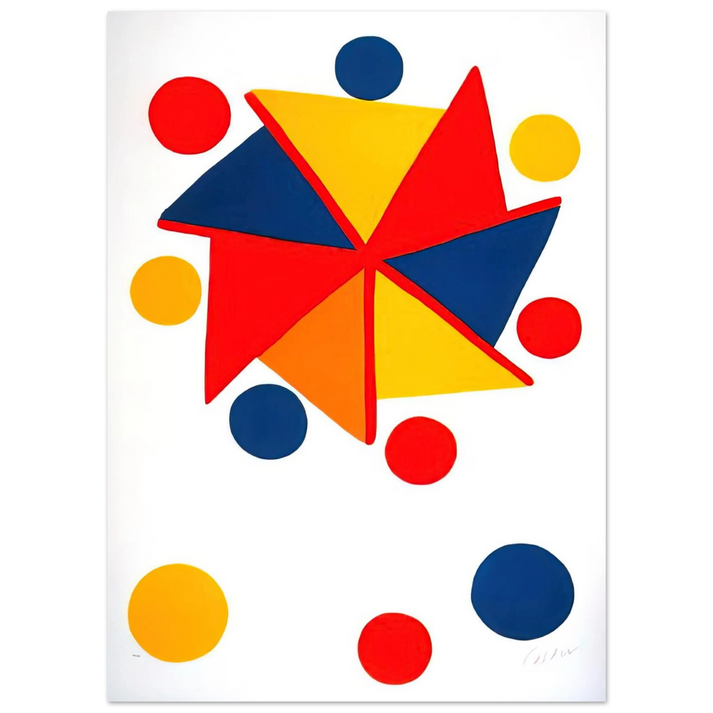
Alexander Calder - UNTITLED 1970 Fine Art Poster
Alexander Calder - UNTITLED 1970 Fine Art Poster
Couldn't load pickup availability
The Vibrant Kineticism of Alexander Calder’s UNTITLED 1970
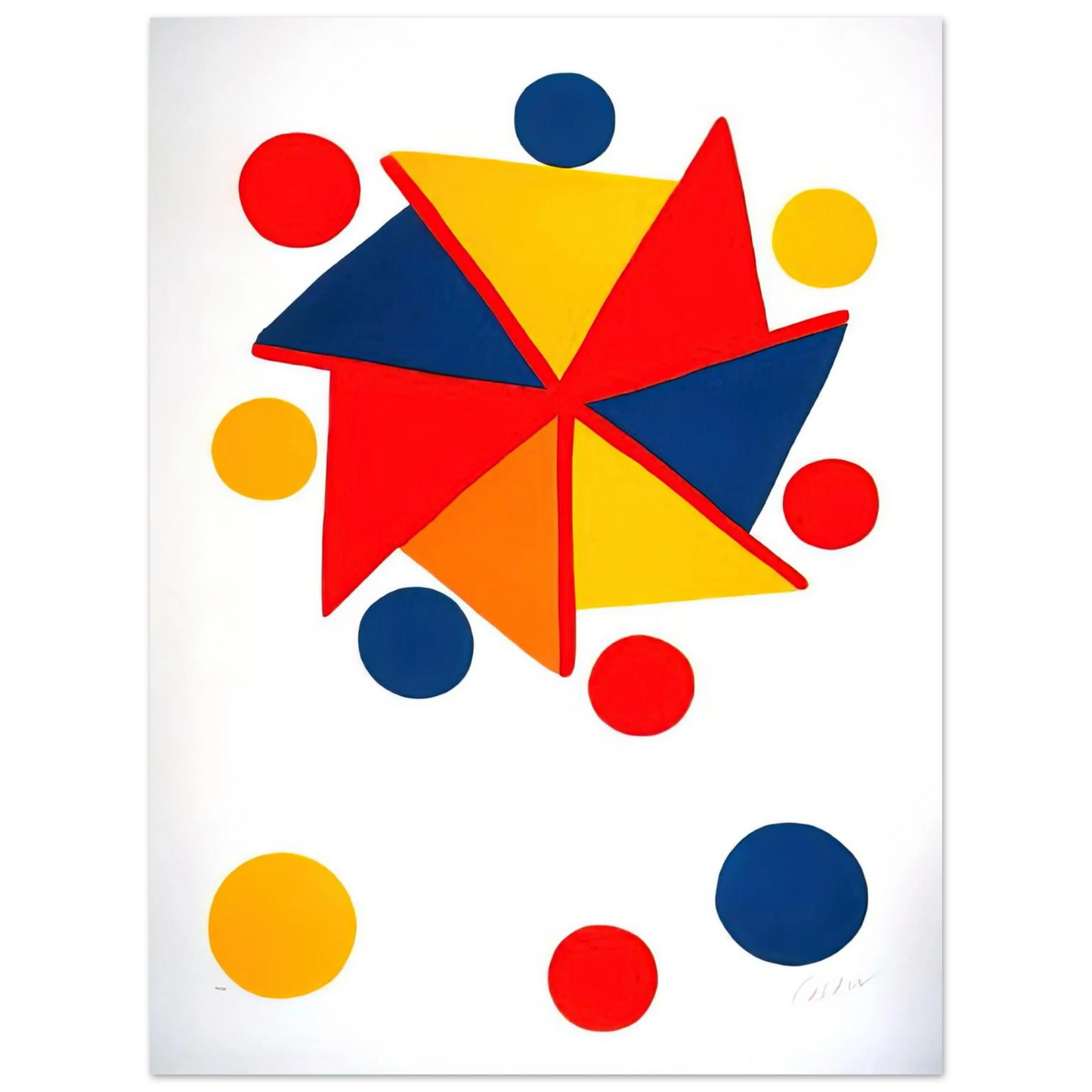
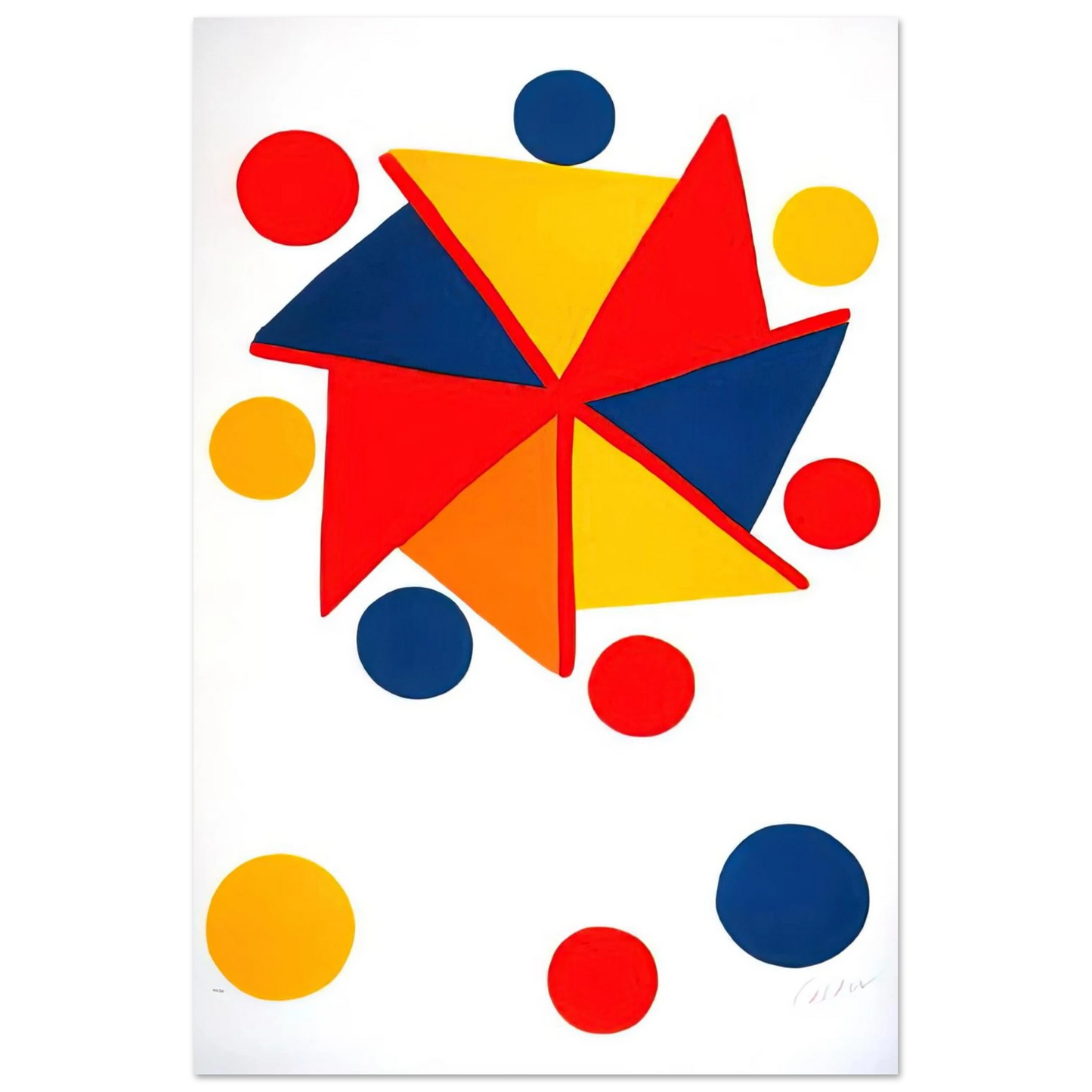
Immerse your space in the rhythmic balance of mid-century modernism with this Alexander Calder - UNTITLED 1970 fine art print. As a titan of 20th-century art, Calder transformed the static nature of sculpture into kinetic movement; this 1970 composition translates that same energy into a two-dimensional masterpiece. Characterized by his signature palette of primary colors and bold, biomorphic forms, this piece serves as a sophisticated focal point for discerning collectors and interior design enthusiasts alike.
Museum-Quality Craftsmanship by RedKalion
At RedKalion, we curate more than just images; we provide archival legacy. This museum-quality reproduction is printed on our Master's Edition archival paper. Unlike standard posters, this heavy-weight 250 gsm (110 lb) paper features a luxurious matte, uncoated finish in a natural white (off-white) tone. This specific texture ensures that the vibrant reds and deep blacks of Calder’s vision are rendered with stunning depth and zero glare.
Art Historical Significance: The Late Career Brilliance
Alexander Calder is globally renowned for inventing the mobile, but his late-career gouaches and prints from the 1970s represent a pinnacle of graphic economy. In UNTITLED 1970, Calder utilizes tension and equilibrium, where every curve and dot feels suspended in space. By selecting this piece, you are acquiring a sophisticated tribute to the American Abstract Expressionist movement and the playful geometry that defined Calder's unique visual language.
Premium Specifications for Lasting Elegance
- Archival Longevity: Acid-free paper (pH above 7) prevents yellowing or degradation over decades.
- Optimal Weight: At 0.29 mm (11.4 mils) thickness, the print offers a substantial, premium feel.
- Sustainable Choice: We utilize FSC-certified paper, supporting responsible forest management.
- Ready for Display: Our on-demand printing process ensures every order is handled with individual precision and care.
Elevate your interior with a piece that bridges the gap between historical significance and modern luxury. RedKalion ensures that this archival masterpiece endures as a testament to Calder’s enduring genius.

Discover Unlimited Art Possibilities
At RedKalion, you can find virtually any artwork from any artist, available in a wide range of sizes to perfectly match your space.
If you didn’t find what you’re looking for, contact us at support@redkalion.com . We will source any artwork and produce it in any size and format you need, including art prints, posters, canvas, framed pieces, framed canvas, and more.
For dedicated art enthusiasts, we also offer handcrafted replicas of any artwork, carefully painted by highly skilled artists using traditional techniques.
For custom requests, contact us at support@redkalion.com .
What defines the quality of this Alexander Calder fine art print?
Our Alexander Calder - UNTITLED 1970 reproduction is printed on Master's Edition archival paper. This 250 gsm (110 lb) museum-quality paper provides a heavy-weight, luxurious feel that far exceeds standard posters in both durability and color depth.
Is the paper used for this Untitled 1970 reproduction sustainable?
Yes. RedKalion is committed to environmental responsibility. This fine art print is produced on FSC-certified paper, ensuring the materials are sourced from responsibly managed forests that provide environmental, social, and economic benefits.
How does the archival quality prevent yellowing over time?
The paper used is acid-free with a pH rating above 7. This chemical balance ensures the Alexander Calder print will not yellow or become brittle over time, preserving the museum-quality aesthetic for generations to come.
What are the shipping and fulfillment details for this print?
We operate with no minimum order requirements. Each Alexander Calder poster is printed and shipped on demand with professional-grade packaging to ensure your archival-grade reproduction arrives in pristine condition regardless of your location.
What is the visual finish of the Alexander Calder - UNTITLED 1970 print?
The print features a matte, uncoated finish on natural white (off-white) paper. This creates a sophisticated, non-reflective surface that enhances the bold primary colors and black lines typical of Calder’s iconic 1970s style.
What is the significance of the year 1970 in Alexander Calder’s work?
By 1970, Calder had mastered the balance of kinetic form. His works from this period focus on bold biomorphic shapes and primary colors, representing a mature synthesis of his earlier sculpture work and his later graphic explorations.
Does this print capture the kinetic energy of Calder’s sculptures?
Absolutely. Calder’s 2D works from 1970 use geometric tension to mimic the movement of his famous mobiles. The high-resolution printing by RedKalion ensures the dynamic energy and spatial relationships are perfectly preserved.