RedKalion
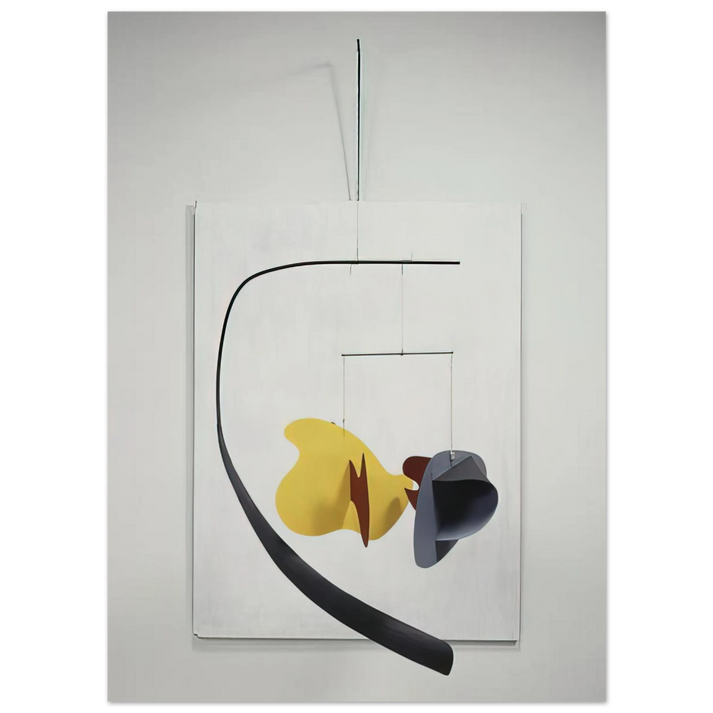
Alexander Calder - WHITE PANEL 1936 Fine Art Poster
Alexander Calder - WHITE PANEL 1936 Fine Art Poster
Couldn't load pickup availability
Embrace Geometric Poise: Alexander Calder’s White Panel (1936)
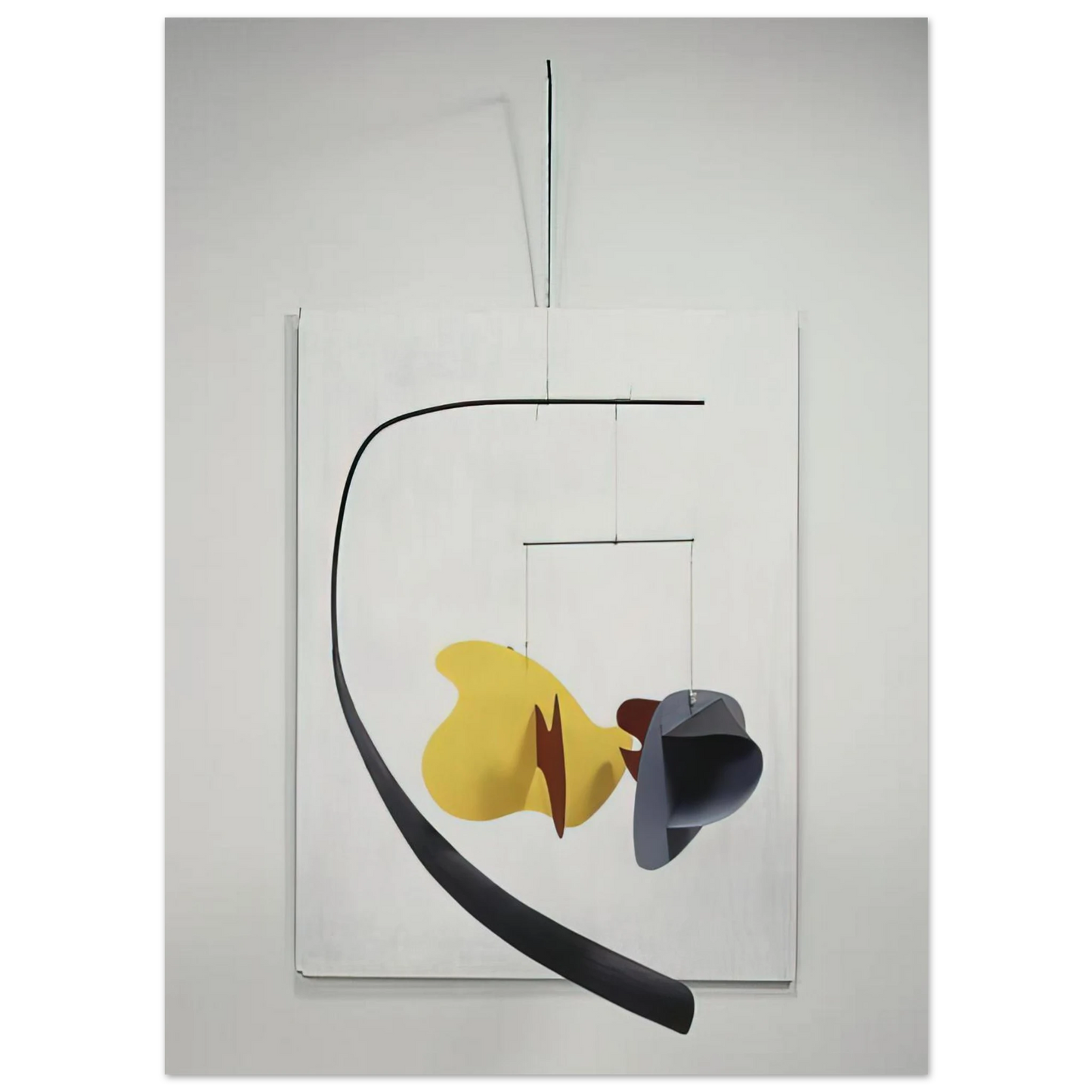
Alexander Calder, the visionary behind the kinetic mobile, demonstrated an equally profound mastery of static composition through his relief panels of the mid-1930s. The White Panel (1936) represents a definitive moment in American abstraction, where Calder translated the spatial theories of the Parisian avant-garde into a uniquely playful visual language. This fine art poster captures the subtle interplay of form, shadow, and negative space that defines Calder’s legacy.
Museum-Quality Execution for the Discerning Collector
At RedKalion, we believe a museum-quality reproduction should honor the integrity of the original masterwork. Our Master’s Edition prints are meticulously produced on archival-grade, 250 gsm (110 lb) paper, providing a physical weight and premium feel that rivals gallery standards. The matte, uncoated finish features a natural white (off-white) tone, offering a luxurious texture that eliminates glare and allows the minimalist geometry of the 1936 composition to resonate in any interior.
A Legacy of Archival Durability
True to the standards of premium curation, this print is acid-free (pH above 7), ensuring the artwork remains vibrant and protected from yellowing over time. With a thickness of 0.29 mm (11.4 mils) and the use of FSC-certified materials, RedKalion offers a sustainable investment in art that endures. Elevate your space with an archival masterpiece that bridges the gap between historical significance and contemporary sophisticated design.

Discover Unlimited Art Possibilities
At RedKalion, you can find virtually any artwork from any artist, available in a wide range of sizes to perfectly match your space.
If you didn’t find what you’re looking for, contact us at support@redkalion.com . We will source any artwork and produce it in any size and format you need, including art prints, posters, canvas, framed pieces, framed canvas, and more.
For dedicated art enthusiasts, we also offer handcrafted replicas of any artwork, carefully painted by highly skilled artists using traditional techniques.
For custom requests, contact us at support@redkalion.com .
What type of paper is used for the White Panel print?
We use Master's Edition archival paper, which is 250 gsm (110 lb) with a 0.29 mm thickness, providing a substantial, premium feel for this museum-quality reproduction.
How long will this fine art reproduction last?
The paper is acid-free with a pH above 7 to prevent yellowing over time, ensuring your Alexander Calder print remains pristine and color-accurate for generations.
Is the paper used for this poster sustainable?
Yes, we prioritize environmental responsibility by using FSC-certified paper, ensuring your fine art print meets the highest ecological and social standards.
What is the finish and texture of the print?
This print features a luxurious matte, uncoated finish in a natural white (off-white) shade, providing a sophisticated, glare-free surface that highlights Calder's geometric forms.
How is my order fulfilled and shipped?
Each archival print is produced on demand with no minimum order requirements and is shipped in protective, secure packaging to ensure it arrives in perfect condition.
What is the significance of Calder’s work in 1936?
In 1936, Calder was at the height of his abstract exploration, moving between static wall-mounted panels and kinetic mobiles to redefine how we perceive volume and balance in space.
How does this print capture the essence of the original relief?
Our high-resolution printing process preserves the spatial depth and minimalist balance intended by Calder, allowing the 'White Panel' to function as a focal point of modernist harmony.