RedKalion
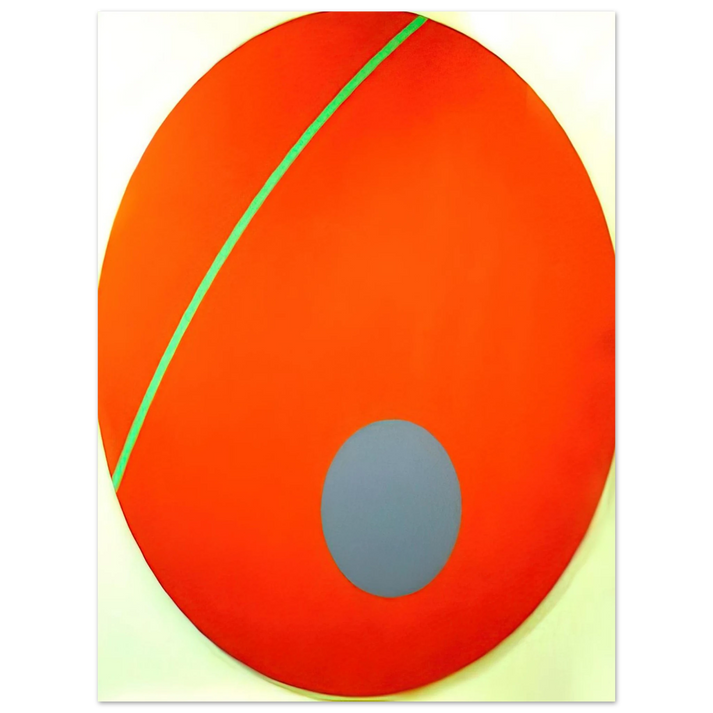
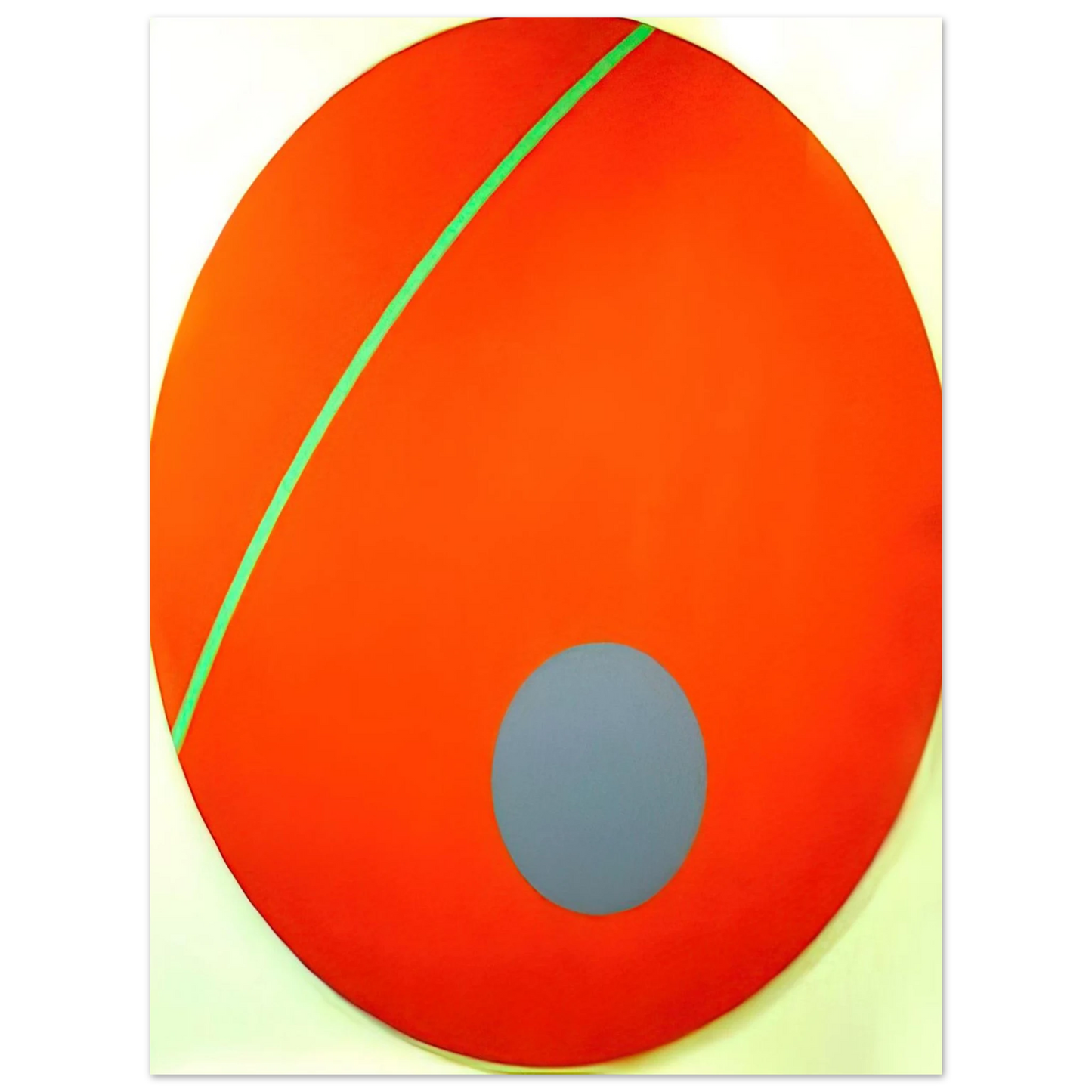
Alexander Liberman - Air - 1962 75x100 cm / 30x40inches Fine Art Poster
Alexander Liberman - Air - 1962 75x100 cm / 30x40inches Fine Art Poster
Couldn't load pickup availability
A Vision of Geometric Purity: Alexander Liberman’s 'Air' (1962)
Experience the profound simplicity of mid-century abstraction with this museum-quality reproduction of Alexander Liberman's 'Air' (1962). As a towering figure in both the editorial world and the fine arts, Liberman explored the spiritual and cosmic potential of geometric forms. This specific work, created during the height of the Hard-edge abstraction movement, utilizes the circle—or tondo—as a primary motif to evoke a sense of infinite space and balance.
At RedKalion, we honor the precision of Liberman's vision by offering this 75x100 cm (30x40 inches) masterpiece on our Master's Edition archival paper. This premium, off-white, matte-finish paper allows the subtle interplay of color and form to resonate without the distraction of glare, ensuring the artwork remains the focal point of any sophisticated interior.
- Artist: Alexander Liberman (1912–1999)
- Title: Air, 1962
- Paper Type: 250 gsm (110 lb) Master's Edition, Acid-free (pH above 7)
- Finish: Luxurious matte, natural white texture
- Sustainability: FSC-certified paper for an ethical choice
- Durability: Designed to prevent yellowing or degradation over decades
By choosing this fine art print, you are investing in an archival-grade reproduction that captures the historical weight of the 1960s avant-garde. This piece does more than decorate a wall; it invites a moment of contemplation, characteristic of Liberman’s transition from the rigid structures of his early work to the fluid, atmospheric minimalism seen in 'Air'. Elevate your space with a curated masterpiece that endures through time.
Discover Unlimited Art Possibilities
At RedKalion, you can find virtually any artwork from any artist, available in a wide range of sizes to perfectly match your space.
If you didn’t find what you’re looking for, contact us at support@redkalion.com . We will source any artwork and produce it in any size and format you need, including art prints, posters, canvas, framed pieces, framed canvas, and more.
For dedicated art enthusiasts, we also offer handcrafted replicas of any artwork, carefully painted by highly skilled artists using traditional techniques.
For custom requests, contact us at support@redkalion.com .
What makes the Alexander Liberman 'Air' print museum-quality?
Our 'Air' (1962) reproduction uses 250 gsm Master's Edition paper, which is acid-free and museum-grade. This archival-grade material ensures that the minimalist geometry remains sharp and vibrant for decades without yellowing or fading.
What are the specific paper and finish details?
We use a 0.29 mm thick, natural white (off-white) paper with a matte, uncoated finish. This luxury texture eliminates reflections, allowing the Hard-edge abstraction of Liberman's work to be viewed clearly from any angle.
How is the print shipped and what are the order requirements?
Each Alexander Liberman fine art print is printed and shipped on demand with no minimum order requirements. This ensures your piece is fresh and handled with the highest standards of logistics for global delivery.
Is the paper used for this artwork environmentally friendly?
Yes, RedKalion is committed to sustainability. The Master's Edition paper used for this 1962 reproduction is FSC-certified, ensuring it comes from responsibly managed forests that provide environmental, social, and economic benefits.
Will the colors of 'Air' stay true over time?
Absolutely. Because our paper is acid-free with a pH value above 7, it is chemically stable. This prevents the degradation of pigments, ensuring your investment maintains its aesthetic integrity for a lifetime.
What artistic movement does 'Air' (1962) belong to?
This work is a seminal example of Hard-edge abstraction and Post-painterly abstraction. Liberman used clean, geometric shapes and flat color areas to distance the work from the emotional gesturalism of Abstract Expressionism.
Why is the circle a recurring motif in Liberman’s 1960s work?
For Liberman, the circle represented a cosmic absolute and the 'divine' nature of geometry. In 'Air', the circular forms evoke a sense of weightlessness and universal harmony, reflecting his interest in spiritualism through art.