RedKalion
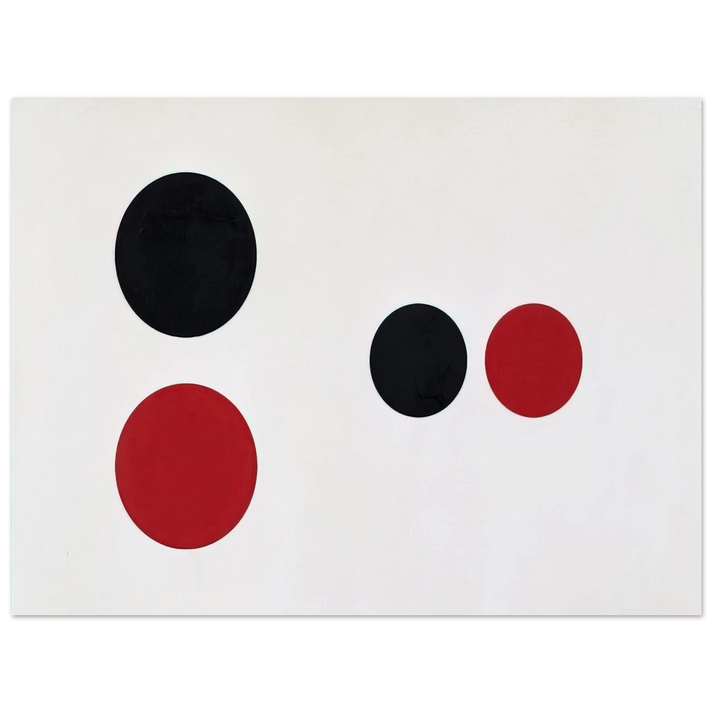
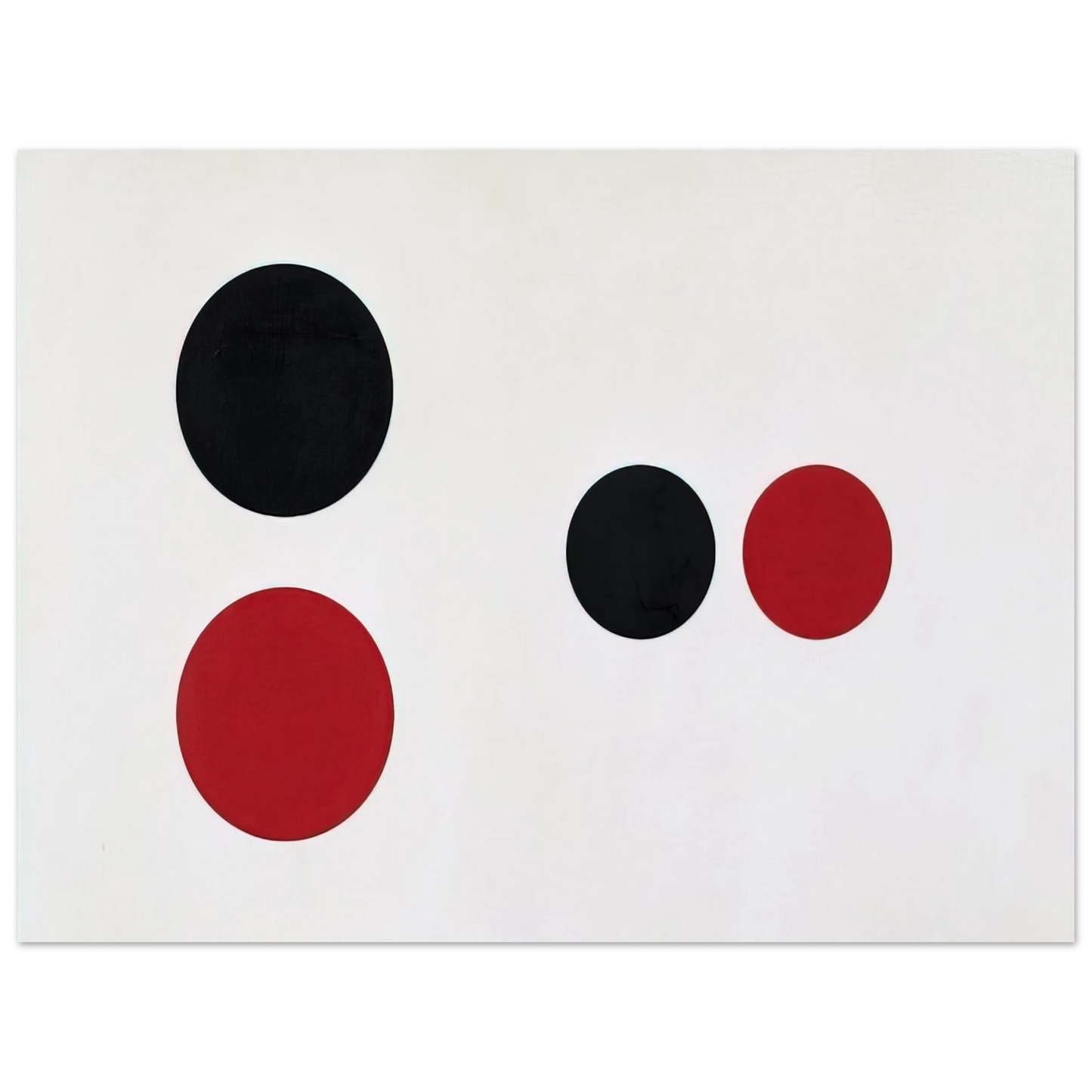
Alexander Liberman - Revolving - 1959 75x100 cm / 30x40inches Fine Art Poster
Alexander Liberman - Revolving - 1959 75x100 cm / 30x40inches Fine Art Poster
Couldn't load pickup availability
Alexander Liberman: Revolving (1959) – A Masterpiece of Geometric Abstraction
Experience the precision and rhythmic elegance of Alexander Liberman’s 'Revolving' (1959), a definitive example of mid-century Hard-edge abstraction. As both a celebrated sculptor and the legendary creative director of Condé Nast, Liberman brought a unique editorial eye to the canvas, focusing on the purity of the circle—a form he considered the ultimate symbol of unity and perfection. This 1959 composition utilizes bold, intersecting geometries to create a sense of perpetual motion, making it a cornerstone for collectors of minimalist and modern art.
Museum-Quality Execution for the Discerning Collector
At RedKalion, we honor the legacy of Liberman’s vision by offering this museum-quality reproduction printed on our exclusive Master's Edition archival paper. This premium 250 gsm (110 lb) foundation provides a substantial weight and a thickness of 0.29 mm (11.4 mils), ensuring that your fine art print possesses the physical presence of a gallery original. The matte, uncoated natural white finish eliminates glare, allowing the sophisticated color palette of 'Revolving' to resonate with depth and clarity.
Archival Integrity and Sustainability
To ensure your investment endures for generations, this print is crafted from acid-free paper with a pH above 7, effectively preventing the yellowing or degradation common in lesser reproductions. Our commitment to excellence extends to the environment; every print uses FSC-certified paper, reflecting a dedication to sustainable forestry. This is not merely a poster, but a meticulously curated archival masterpiece designed to elevate your interior space with the authority of art history.
Discover Unlimited Art Possibilities
At RedKalion, you can find virtually any artwork from any artist, available in a wide range of sizes to perfectly match your space.
If you didn’t find what you’re looking for, contact us at support@redkalion.com . We will source any artwork and produce it in any size and format you need, including art prints, posters, canvas, framed pieces, framed canvas, and more.
For dedicated art enthusiasts, we also offer handcrafted replicas of any artwork, carefully painted by highly skilled artists using traditional techniques.
For custom requests, contact us at support@redkalion.com .
What defines the quality of this Alexander Liberman print?
Our Alexander Liberman prints are produced on Master's Edition 250 gsm archival paper. This heavy-weight, museum-quality paper ensures a premium feel and exceptional durability, capturing every nuance of the 1959 original with professional-grade precision.
Is the paper used for 'Revolving' sustainable?
Yes, sustainability is a core value at RedKalion. The paper used for this fine art reproduction is FSC-certified, ensuring it comes from responsibly managed forests that provide environmental, social, and economic benefits.
How is the color accuracy maintained over time?
We use acid-free paper with a pH level above 7. This archival-grade material prevents yellowing and preserves the vibrant, Hard-edge colors of Liberman’s 'Revolving' for decades, even in varying indoor environments.
What is the finish of the fine art poster?
The print features a luxurious matte, uncoated finish. The natural white (off-white) tone of the paper provides a sophisticated, glare-free texture that enhances the minimalist aesthetic of geometric abstraction.
How does RedKalion handle shipping and production?
Each print is produced on-demand with no minimum order requirements. This process ensures that your artwork is freshly printed and shipped directly to you, minimizing waste and ensuring the highest quality control.
What is the significance of the circle in Liberman's 1959 work?
For Liberman, the circle represented the 'ideal' form—a symbol of the divine and the universal. In 'Revolving', the circular motifs explore the relationship between balance, tension, and the concept of infinite motion.
Is this print considered Hard-edge abstraction?
Absolutely. 'Revolving' is a quintessential example of Hard-edge painting, characterized by its abrupt transitions between color areas and precise, geometric shapes that reject the gestural brushwork of Abstract Expressionism.