
RedKalion
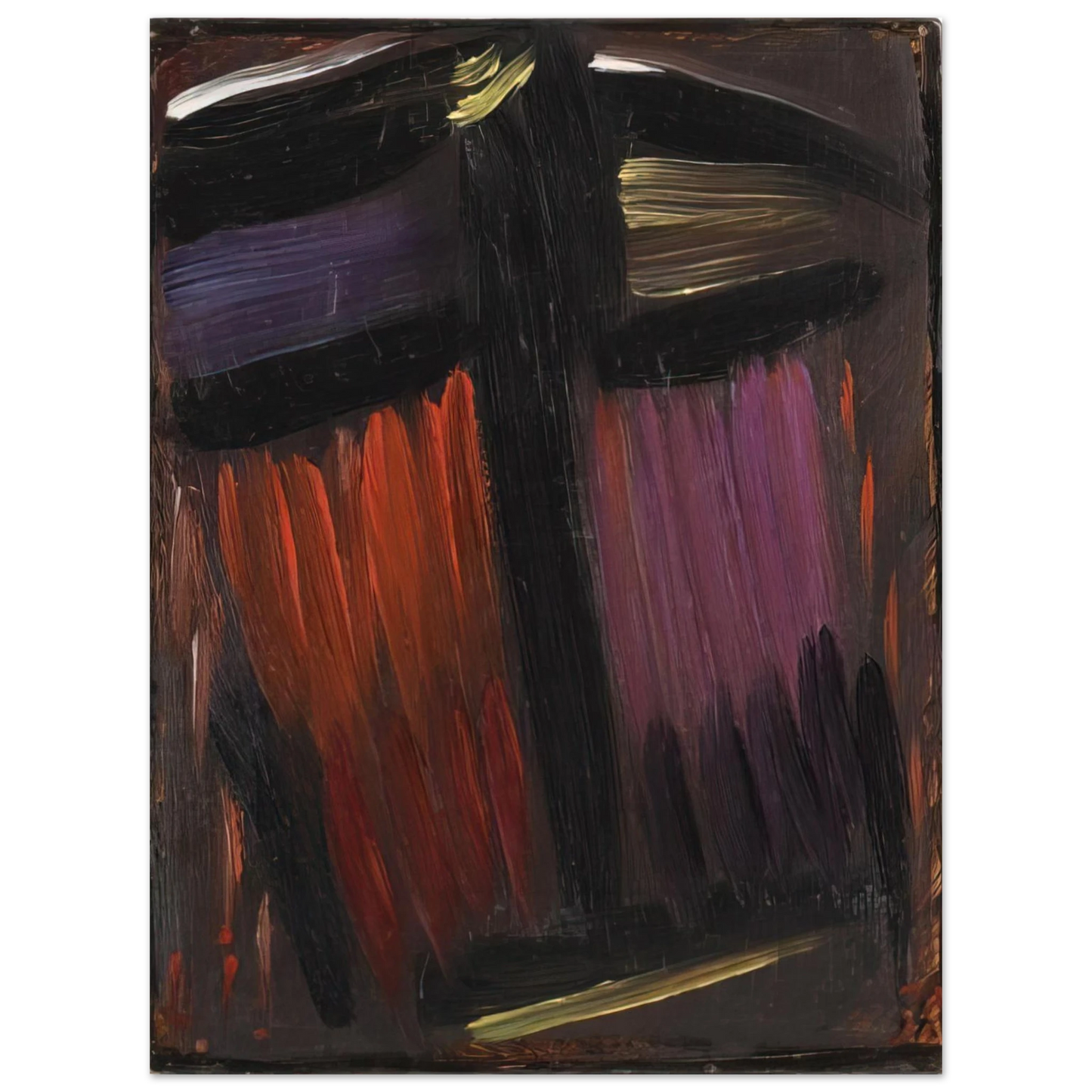
Alexej von Jawlensky - MEDITATION 1936 75x100 cm / 30x40inches Fine Art Poster
Alexej von Jawlensky - MEDITATION 1936 75x100 cm / 30x40inches Fine Art Poster
Couldn't load pickup availability
Elevate Your Space with Alexej von Jawlensky’s Spiritual Masterpiece
Experience the profound serenity of Alexej von Jawlensky's Meditation (1936), a seminal work from the artist's late period. This fine art print captures the essence of Jawlensky’s transition from vibrant Expressionism to a minimalist, almost liturgical abstraction. Created during a time of physical hardship, the Meditation series represents a deeply personal exploration of the human soul, distilled into a series of geometric, icon-like faces that resonate with timeless spiritual energy.
Museum-Quality Craftsmanship by RedKalion
At RedKalion, we curate museum-quality reproductions that honor the integrity of the original work. This reproduction is realized on our exclusive Master's Edition archival paper, chosen specifically to handle the subtle tonal shifts and architectural brushstrokes characteristic of Jawlensky’s 1936 portfolio. The premium matte, uncoated finish provides a luxurious, natural white texture that eliminates glare, allowing the meditative qualities of the artwork to shine in any lighting condition.
Technical Specifications for the Discerning Collector
- Paper Excellence: 250 gsm (110 lb) archival-grade paper for a substantial, premium feel.
- Archival Longevity: Acid-free (pH above 7) composition prevents yellowing and degradation over decades.
- Exceptional Texture: 0.29 mm (11.4 mils) thickness ensures a flat, sturdy hang and a sophisticated presence.
- Sustainable Ethics: Printed on FSC-certified paper, supporting responsible forest management.
- Bespoke Fulfillment: Each piece is printed and shipped on demand with no minimum order requirements, ensuring your print arrives in pristine condition.
By choosing this Alexej von Jawlensky poster from RedKalion, you are not merely purchasing decor; you are investing in an archival masterpiece that bridges the gap between early 20th-century avant-garde and eternal contemplative art.
Discover Unlimited Art Possibilities
At RedKalion, you can find virtually any artwork from any artist, available in a wide range of sizes to perfectly match your space.
If you didn’t find what you’re looking for, contact us at support@redkalion.com . We will source any artwork and produce it in any size and format you need, including art prints, posters, canvas, framed pieces, framed canvas, and more.
For dedicated art enthusiasts, we also offer handcrafted replicas of any artwork, carefully painted by highly skilled artists using traditional techniques.
For custom requests, contact us at support@redkalion.com .
What makes the RedKalion Master’s Edition print unique?
Our Master's Edition uses 250 gsm archival paper with a matte, uncoated finish. This museum-quality standard ensures superior color depth and a luxurious texture that resists aging, distinguishing it from standard posters.
Is the paper used for this Jawlensky print sustainable?
Yes, we prioritize environmental responsibility. All our prints, including the Meditation 1936 series, are produced on FSC-certified paper, ensuring the materials are sourced from responsibly managed forests.
How is the print shipped and is there a minimum order?
We have no minimum order requirements. Every fine art print is printed on demand and shipped in protective, robust packaging to ensure it reaches you in gallery-perfect condition.
Will the colors of the Meditation 1936 print fade over time?
No. We use acid-free paper with a pH level above 7. This archival specification prevents the paper from yellowing and ensures the pigments remain vibrant for generations.
What are the exact dimensions and thickness of the paper?
The print is 0.29 mm (11.4 mils) thick with a weight of 250 gsm. This thickness provides the structural integrity required for high-end framing and a premium gallery feel.
What is the historical significance of Jawlensky’s Meditation series?
The Meditation series (1936) was created while Jawlensky suffered from debilitating arthritis. These works represent his final spiritual legacy, transforming the human face into a simplified, cross-like abstract icon of prayer.
Why does the artwork appear so minimalist compared to earlier works?
By 1936, Jawlensky sought to remove the superficial. His late abstractions focus on the inner life, using horizontal and vertical lines to symbolize the union between the earthly and the divine.