RedKalion
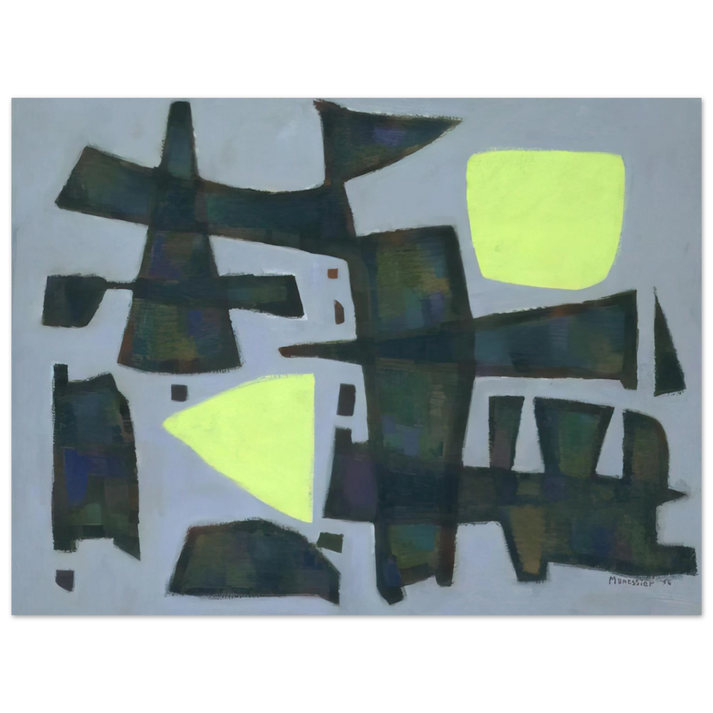
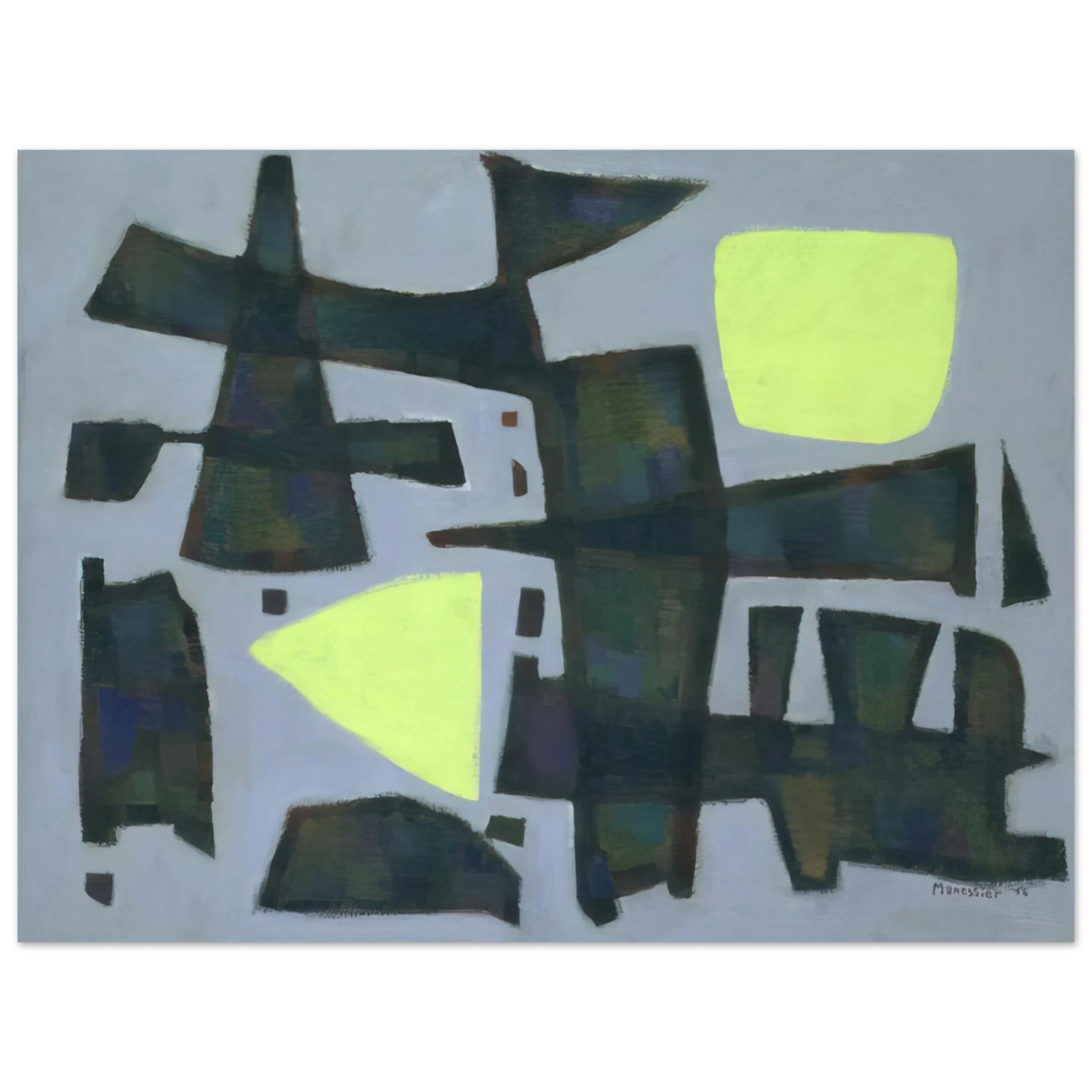
Alfred Manessier - -12° - 1956 75x100 cm / 30x40inches Fine Art Poster
Alfred Manessier - -12° - 1956 75x100 cm / 30x40inches Fine Art Poster
Couldn't load pickup availability
Elevate Your Space with Alfred Manessier’s -12° (1956)
Experience the profound stillness of winter through the lens of Alfred Manessier, a titan of Lyrical Abstraction. This exceptional fine art print of -12°, originally composed in 1956, captures the artist's unique ability to translate tactile natural phenomena into rhythmic, non-figurative forms. Manessier, a leading figure of the École de Paris, utilized light and color to evoke spiritual and environmental depth, making this piece a cornerstone of mid-century modern art.
Museum-Quality Execution
At RedKalion, we believe a masterpiece deserves an equally masterful canvas. Our reproduction of -12° is printed on our Master's Edition archival paper. This 250 gsm (110 lb) natural white, off-white paper provides a luxurious, uncoated matte finish that avoids glare, allowing the subtle nuances of Manessier’s crystalline structures and frosty hues to take center stage. With a thickness of 0.29 mm (11.4 mils), the print offers a substantial, tactile weight that rivals the original's presence.
Archival Longevity and Ethical Curation
True to our commitment to excellence, this museum-quality reproduction is acid-free with a pH above 7, ensuring it remains vibrant and resists yellowing for generations. Each piece is printed on FSC-certified paper, reflecting our dedication to both artistic legacy and environmental sustainability. Whether you are a seasoned collector or an interior design enthusiast, this 75x100 cm (30x40 inches) print serves as an enduring testament to the beauty of abstract expressionism.
- Artist: Alfred Manessier (1911–1993)
- Title: -12° (1956)
- Paper: 250 gsm Master's Edition Archival Paper
- Finish: Matte, natural white for a premium texture
- Sustainability: FSC-certified, archival-grade (acid-free)
Discover Unlimited Art Possibilities
At RedKalion, you can find virtually any artwork from any artist, available in a wide range of sizes to perfectly match your space.
If you didn’t find what you’re looking for, contact us at support@redkalion.com . We will source any artwork and produce it in any size and format you need, including art prints, posters, canvas, framed pieces, framed canvas, and more.
For dedicated art enthusiasts, we also offer handcrafted replicas of any artwork, carefully painted by highly skilled artists using traditional techniques.
For custom requests, contact us at support@redkalion.com .
Why choose a RedKalion reproduction of Alfred Manessier’s work?
RedKalion provides museum-quality fine art prints using archival-grade Master's Edition paper. Our process ensures that the intricate textures and color depth of Manessier’s -12° are preserved with historical accuracy and premium durability.
What are the physical characteristics of the paper?
The artwork is printed on 250 gsm (110 lb) paper with a 0.29 mm thickness. It features a matte, uncoated, natural white finish that prevents yellowing and provides a sophisticated, non-reflective surface.
Is the artwork "-12°" an original painting or a print?
This is a high-end, museum-quality reproduction of Alfred Manessier’s 1956 original. It is designed to offer the visual impact and archival longevity of a gallery piece for private collectors.
How does RedKalion ensure the longevity of the print?
We use acid-free paper with a pH level above 7. This archival standard prevents the paper from becoming brittle or yellowing, ensuring your fine art poster remains pristine for decades.
What is the shipping and fulfillment process?
Our prints are fulfilled on demand with no minimum order requirements. We use FSC-certified materials and ship in protective packaging to ensure your Alfred Manessier print arrives in perfect condition.
What does the title "-12°" represent in Manessier's oeuvre?
Created in 1956, "-12°" is a prime example of Manessier’s Lyrical Abstraction. It represents a spiritual and sensory exploration of extreme cold, using geometric rhythm to evoke frost and winter light.
In what era was Alfred Manessier most prominent?
Manessier was a central figure of the post-WWII Lyrical Abstraction movement in France, known for his ability to merge religious mysticism with abstract landscapes during the mid-20th century.