
RedKalion
Alfred Manessier - Fishes’ Sanctuary - 1969 75x100 cm / 30x40inches Fine Art Poster
Alfred Manessier - Fishes’ Sanctuary - 1969 75x100 cm / 30x40inches Fine Art Poster
Couldn't load pickup availability
Elevate Your Space with Alfred Manessier’s Fishes’ Sanctuary (1969)
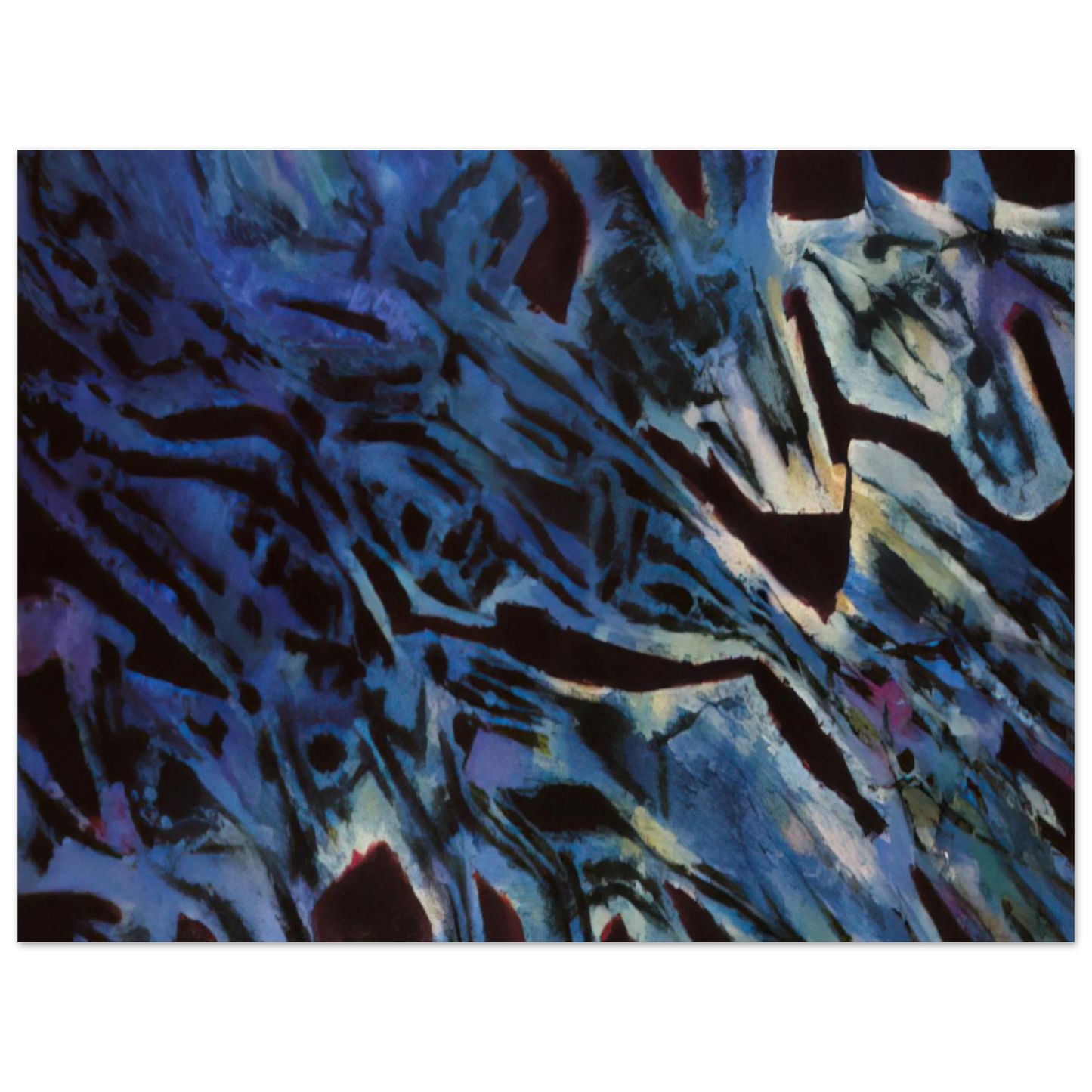
Experience the profound tranquility of Alfred Manessier’s Fishes’ Sanctuary (1969), a cornerstone of French lyrical abstraction. This evocative work captures the rhythmic, spiritual essence of the natural world, reflecting Manessier's unique ability to bridge the gap between the physical and the metaphysical. As a leading figure of the New School of Paris, Manessier utilized fluid forms and a sophisticated palette to transform an aquatic theme into a sacred space of meditation and light.
Museum-Quality Artistry Meets Archival Precision
At RedKalion, we honor the legacy of this 20th-century master by offering a reproduction that meets the highest standards of the fine art world. This fine art print is produced on our Master's Edition archival paper, specifically selected for its ability to render the subtle tonal shifts and deep, saturated colors of Manessier’s original composition. The natural white (off-white) finish provides a luxurious, uncoated texture that eliminates glare, allowing the artwork to be appreciated from any angle.
Uncompromising Quality and Sustainability
Designed to endure for generations, this print utilizes acid-free paper (pH above 7), ensuring the vibrant hues of the sanctuary do not yellow or degrade over time. With a substantial weight of 250 gsm (110 lb) and a thickness of 0.29 mm (11.4 mils), the physical presence of the paper reflects the premium nature of the artwork itself. Furthermore, our commitment to the environment is reflected in our use of FSC-certified paper, ensuring that your collection grows in harmony with nature.
- Artist: Alfred Manessier (1911–1993)
- Title: Fishes’ Sanctuary (1969)
- Paper Type: Master's Edition Museum-Quality Archival Paper
- Finish: Matte, uncoated, tactile natural white
- Longevity: Acid-free for archival-grade preservation
Invest in an archival masterpiece that transcends temporary trends. RedKalion ensures each piece is printed and shipped on demand with meticulous care, delivering a gallery-standard experience directly to your door.
Discover Unlimited Art Possibilities
At RedKalion, you can find virtually any artwork from any artist, available in a wide range of sizes to perfectly match your space.
If you didn’t find what you’re looking for, contact us at support@redkalion.com . We will source any artwork and produce it in any size and format you need, including art prints, posters, canvas, framed pieces, framed canvas, and more.
For dedicated art enthusiasts, we also offer handcrafted replicas of any artwork, carefully painted by highly skilled artists using traditional techniques.
For custom requests, contact us at support@redkalion.com .
What paper quality is used for this Manessier print?
We use Master's Edition archival paper, a 250 gsm (110 lb) museum-quality substrate. This premium paper features a matte, uncoated finish and a natural white tone, ensuring a sophisticated texture that highlights every detail of the artwork.
Will the colors fade over time?
No. Our prints are produced on acid-free paper with a pH above 7, which prevents yellowing and degradation. This archival-grade standard ensures the longevity and color integrity of the artwork for decades.
How is the artwork shipped?
Each print is produced and shipped on demand with no minimum order requirements. We utilize secure, protective packaging to ensure your fine art poster arrives in perfect museum condition.
Is the paper used for this print environmentally friendly?
Yes, we prioritize sustainability. The paper used for Fishes’ Sanctuary is FSC-certified, meaning it is sourced from responsibly managed forests that provide environmental, social, and economic benefits.
What is the physical thickness of the Fishes’ Sanctuary print?
The print has a professional thickness of 0.29 mm (11.4 mils), providing a sturdy, high-end feel that distinguishes it from standard posters and aligns with gallery standards.
What is the significance of the year 1969 in Manessier's work?
By 1969, Manessier was at the height of his lyrical abstraction period. This era marked a deep exploration of ecological and spiritual themes, where nature served as a sanctuary for contemplation.
How does Manessier depict the "sanctuary" in this abstract piece?
Manessier uses rhythmic, interlocking forms and luminous color blocks to suggest the fluid, protected environment of an underwater world, transforming a biological subject into a spiritual refuge.