RedKalion
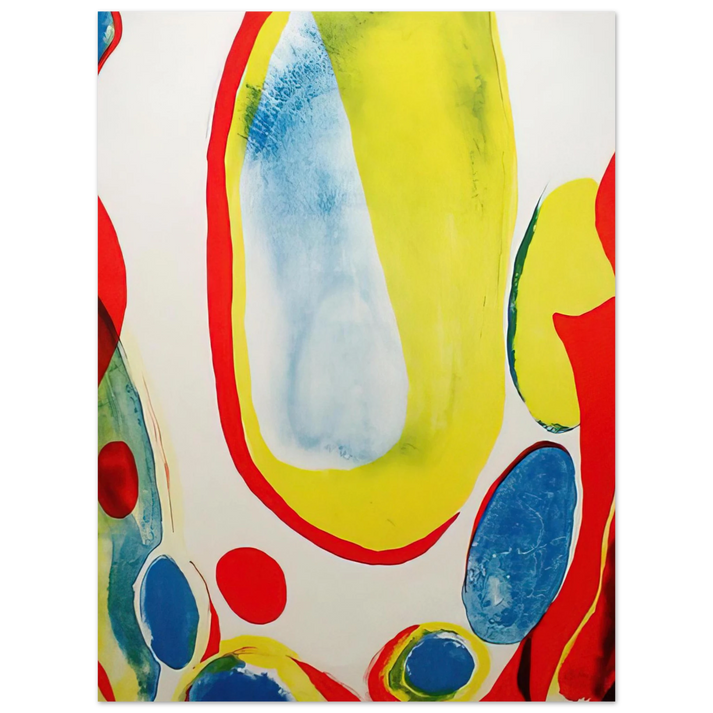
Alice Baber - Red, Yellow and Blue 75x100 cm / 30x40inches Fine Art Poster
Alice Baber - Red, Yellow and Blue 75x100 cm / 30x40inches Fine Art Poster
Couldn't load pickup availability
Luminous Abstraction: Alice Baber’s Red, Yellow and Blue
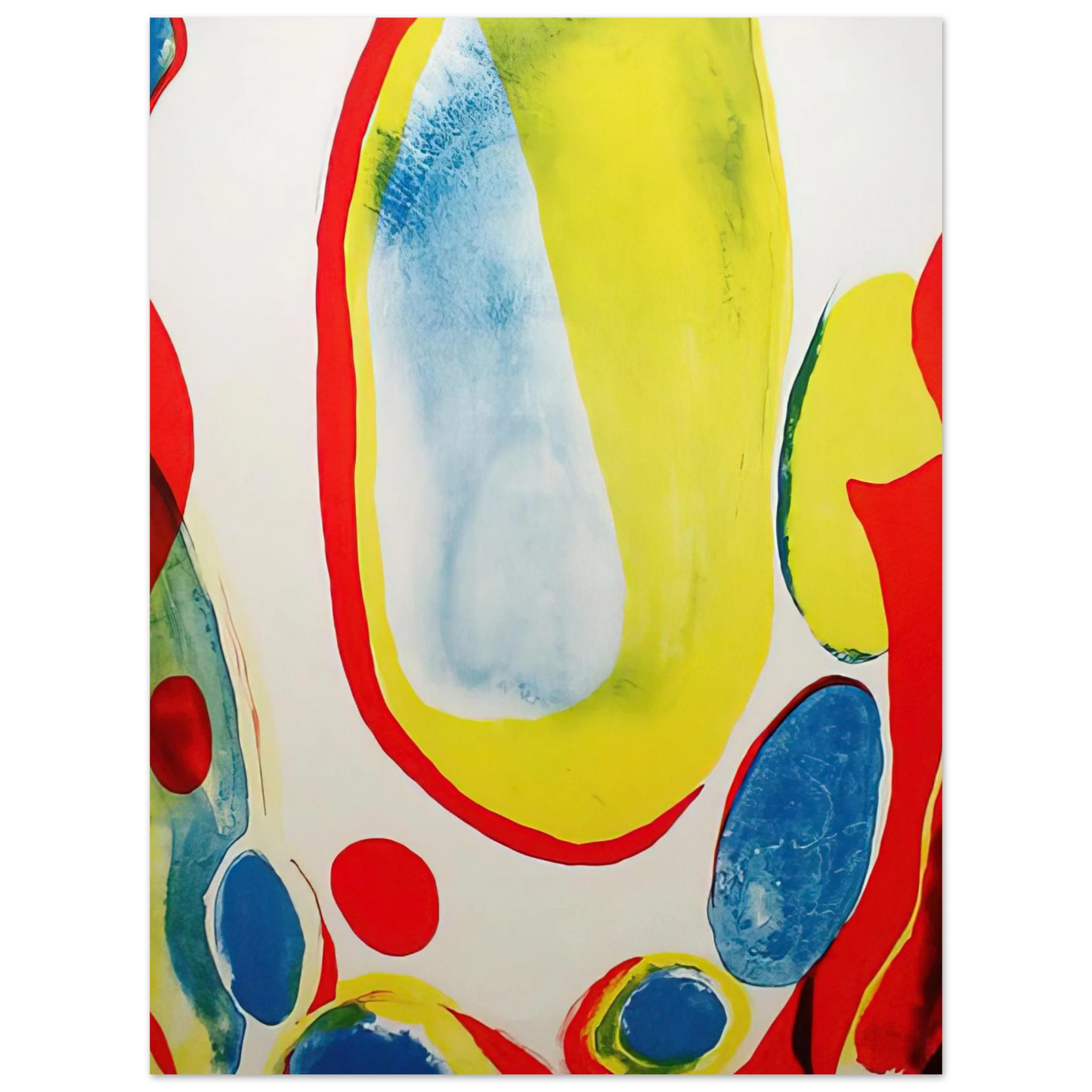
Experience the ethereal dance of light and pigment with this museum-quality reproduction of Alice Baber’s Red, Yellow and Blue. As a prominent figure in the Color Field movement and Lyrical Abstraction, Baber was celebrated for her unique ability to infuse canvas with a sense of transparency and weightless energy. This stunning 75x100 cm (30x40 inches) fine art print captures the delicate overlaps of primary hues, creating a secondary spectrum of light that seems to radiate from within the paper itself.
Masterful Technique and Artistic Vision
Alice Baber’s technique involved thin, translucent washes of oil or acrylic, creating organic, biomorphic shapes that appear to float in a boundless space. In Red, Yellow and Blue, she explores the fundamental building blocks of color, demonstrating how simple primary tones can achieve complex emotional resonance. This piece serves as a definitive example of mid-century abstraction, where the focus shifts from the figurative to the purely sensory experience of color and form.
Uncompromising Archival Quality by RedKalion
At RedKalion, we curate only the finest reproductions, ensuring that every nuance of the original masterpiece is preserved. This Alice Baber fine art print is produced on our Master's Edition archival paper, a 250 gsm (110 lb) museum-quality medium that provides a substantial, luxurious feel. The matte, uncoated finish in a natural white (off-white) tone ensures that the vibrant primary colors are rendered with deep saturation without the distraction of glare.
- Archival Longevity: Acid-free (pH above 7) to prevent yellowing and ensure your investment remains pristine for generations.
- Premium Thickness: A robust 0.29 mm (11.4 mils) thickness for a professional, gallery-standard display.
- Sustainably Sourced: Printed on FSC-certified paper, reflecting our commitment to environmental responsibility.
Elevate your interior with a piece that balances historical significance with contemporary aesthetic appeal. This archival-grade reproduction is printed on demand with meticulous attention to detail, arriving ready to be the focal point of any sophisticated collection.
Discover Unlimited Art Possibilities
At RedKalion, you can find virtually any artwork from any artist, available in a wide range of sizes to perfectly match your space.
If you didn’t find what you’re looking for, contact us at support@redkalion.com . We will source any artwork and produce it in any size and format you need, including art prints, posters, canvas, framed pieces, framed canvas, and more.
For dedicated art enthusiasts, we also offer handcrafted replicas of any artwork, carefully painted by highly skilled artists using traditional techniques.
For custom requests, contact us at support@redkalion.com .
What are the dimensions of this Alice Baber print?
This premium reproduction of Alice Baber’s Red, Yellow and Blue measures 75x100 cm, which is approximately 30x40 inches, making it a bold statement piece for any gallery wall or living space.
What type of paper is used for this museum-quality reproduction?
We use Master's Edition archival paper. It is a 250 gsm (110 lb) natural white, matte, and uncoated paper that provides a luxurious texture and eliminates glare for an optimal viewing experience.
Will the print colors fade or yellow over time?
No. Our prints utilize acid-free paper with a pH above 7. This archival-grade material prevents yellowing and ensures the vibrant reds, yellows, and blues remain stable for decades.
Is the paper used for this fine art poster sustainable?
Yes, RedKalion is committed to the environment. This Alice Baber print is produced on FSC-certified paper, ensuring it meets the highest standards for responsible forest management.
How is the artwork shipped and fulfilled?
Each order is printed on demand with no minimum requirements. We utilize a global fulfillment network to ship your museum-quality print efficiently and securely to your doorstep.
What art movement was Alice Baber associated with?
Alice Baber was a key figure in Lyrical Abstraction and the Color Field movement. She was renowned for her 'The Color of Light' philosophy, focusing on transparency and organic forms.
Why did Alice Baber choose Red, Yellow, and Blue for this piece?
Baber often worked with primary colors to explore the purity of light. By overlapping these hues, she created complex secondary colors and a sense of three-dimensional depth within a flat abstract plane.