
RedKalion
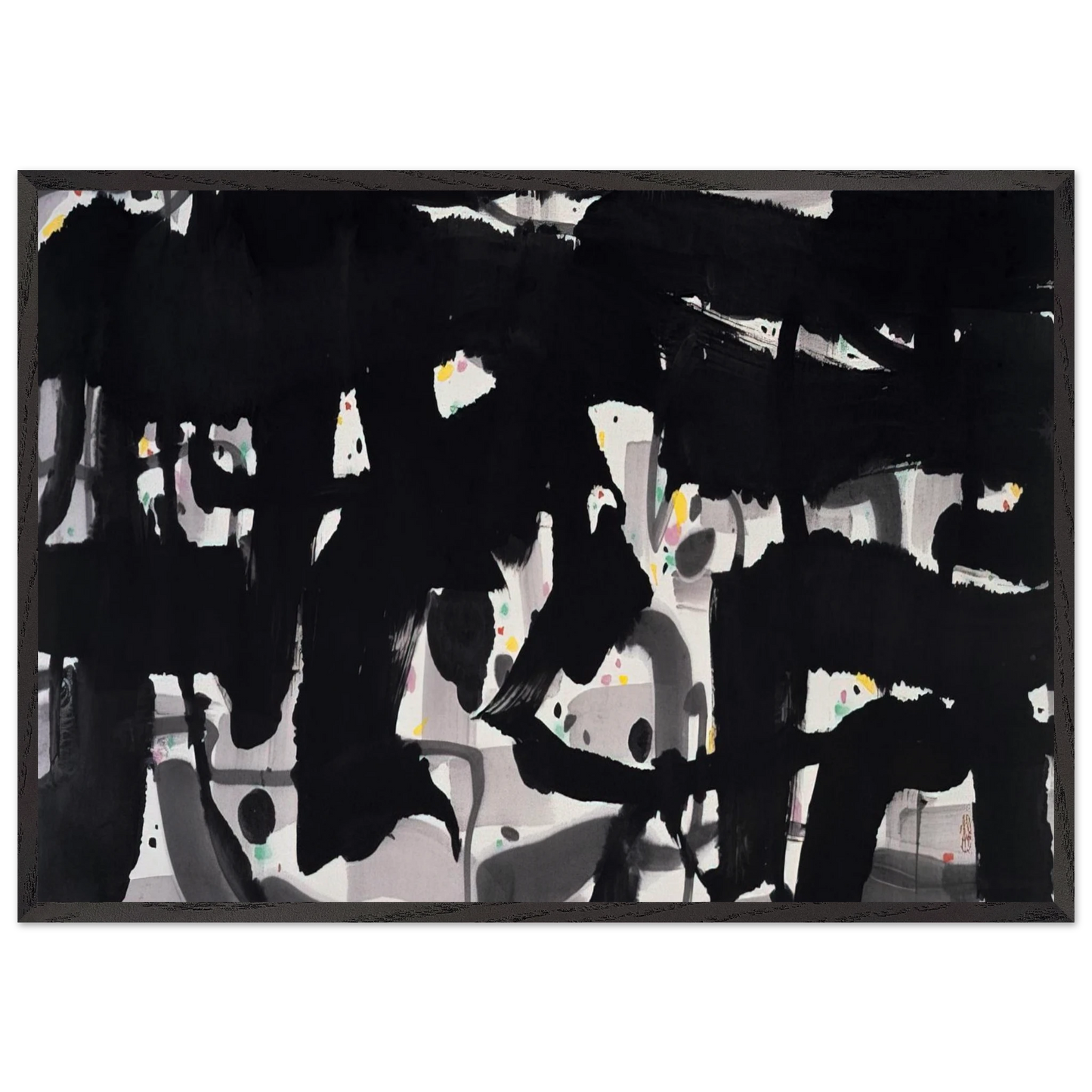
Alienation - 1992 - Wu Guanzhong 70x100 cm / 28x40 inches Framed Art Print – Black Wooden Frame
Alienation - 1992 - Wu Guanzhong 70x100 cm / 28x40 inches Framed Art Print – Black Wooden Frame
Couldn't load pickup availability
Rediscover Modernity with Wu Guanzhong’s 1992 Masterpiece: Alienation
Experience the profound synthesis of Eastern ink traditions and Western modernism with this museum-quality reproduction of Wu Guanzhong’s 'Alienation' (1992). As one of the most influential Chinese painters of the 20th century, Wu Guanzhong utilized abstract lines and rhythmic dots to explore the complexities of human emotion and urban existence. This specific piece, created during his mature period, captures the tension and beauty of the 'alienated' modern landscape through a minimalist yet powerful aesthetic.
Authentic Fine Art Craftsmanship
At RedKalion, we believe a masterpiece deserves a presentation that honors its historical significance. This fine art print is meticulously rendered on 250 gsm (110 lb) museum-quality paper. Unlike standard prints, our paper is natural white, uncoated, and archival, ensuring that the subtle nuances of Wu’s brushwork and the depth of his monochromatic palette remain vibrant for generations. The matte finish eliminates glare, allowing the intricate linework of 'Alienation' to be viewed clearly from any angle.
The RedKalion Framework of Quality
Your 1992 Wu Guanzhong reproduction is encased in a premium, responsibly sourced black wooden frame crafted from solid oak or ash. Measuring 20mm (0.79") in both thickness and width, this frame provides a substantial, sophisticated profile that surpasses standard 14mm commercial frames. To ensure your investment is protected, we utilize shatterproof plexiglass, providing crystal-clear visibility while safeguarding the artwork from environmental damage.
- Sustainable Elegance: Each frame is made from FSC-certified materials.
- Curatorial Precision: Archival-grade, acid-free paper prevents yellowing.
- Effortless Installation: Every order includes a professional hanging kit, arriving ready-to-hang.
Elevate your collection with a piece that bridges the gap between traditional heritage and contemporary abstraction. This framed reproduction of 'Alienation' is more than decor; it is an enduring tribute to one of the masters of global modern art.
Discover Unlimited Art Possibilities
At RedKalion, you can find virtually any artwork from any artist, available in a wide range of sizes to perfectly match your space.
If you didn’t find what you’re looking for, contact us at support@redkalion.com . We will source any artwork and produce it in any size and format you need, including art prints, posters, canvas, framed pieces, framed canvas, and more.
For dedicated art enthusiasts, we also offer handcrafted replicas of any artwork, carefully painted by highly skilled artists using traditional techniques.
For custom requests, contact us at support@redkalion.com .
What are the specifications of the paper used for this Wu Guanzhong print?
We use 250 gsm (110 lb) archival-grade paper. It is natural white, uncoated, and matte-finished, ensuring museum-quality durability and color accuracy without the glare found in cheaper glossy prints.
Is the black wooden frame sustainably sourced?
Yes, all frames are crafted from responsibly sourced oak or ash wood, carrying FSC certification or equivalent, ensuring your art purchase supports sustainable forestry practices.
Does the framed print arrive ready to be displayed?
Absolutely. Every framed print includes a specialized hanging kit and is pre-assembled. Your Wu Guanzhong artwork is ready to hang directly on your wall the moment it arrives.
How is the artwork protected during shipping?
Each piece is protected by shatterproof plexiglass and shipped in robust, specialized packaging designed to prevent any movement or impact damage during transit to your home.
What is the archival longevity of this fine art print?
Thanks to our use of acid-free, 250 gsm archival paper and premium inks, this print is designed to resist fading and yellowing, maintaining its integrity for decades.
What is the significance of the year 1992 in Wu Guanzhong's career?
By 1992, Wu Guanzhong had fully realized his unique 'East-meets-West' style. 'Alienation' represents his mastery of using Western formalist abstraction to convey traditional Chinese spiritual and rhythmic concepts.
What does 'Alienation' represent in this specific artwork?
In this piece, Wu Guanzhong uses rhythmic, intersecting lines to explore the theme of human disconnection within modern structures, a hallmark of his late-career focus on the human condition through abstraction.