RedKalion
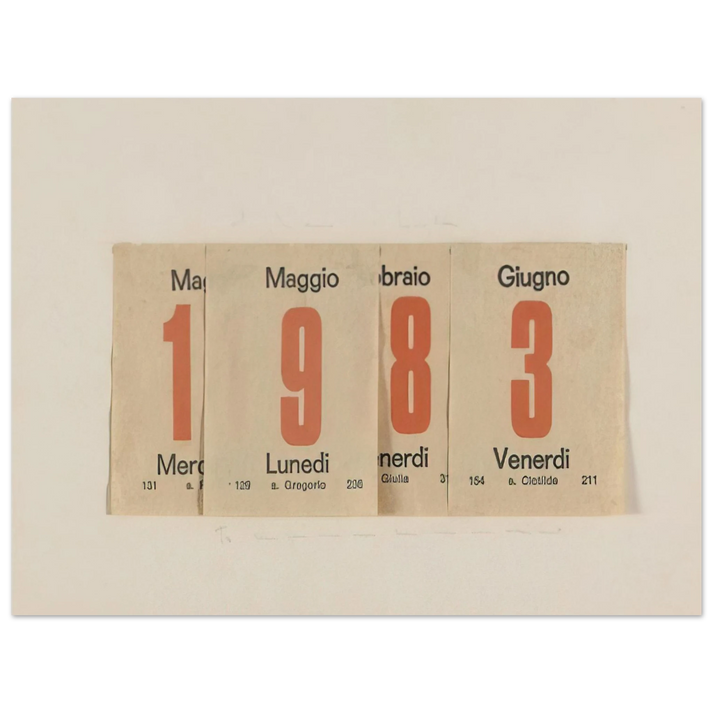
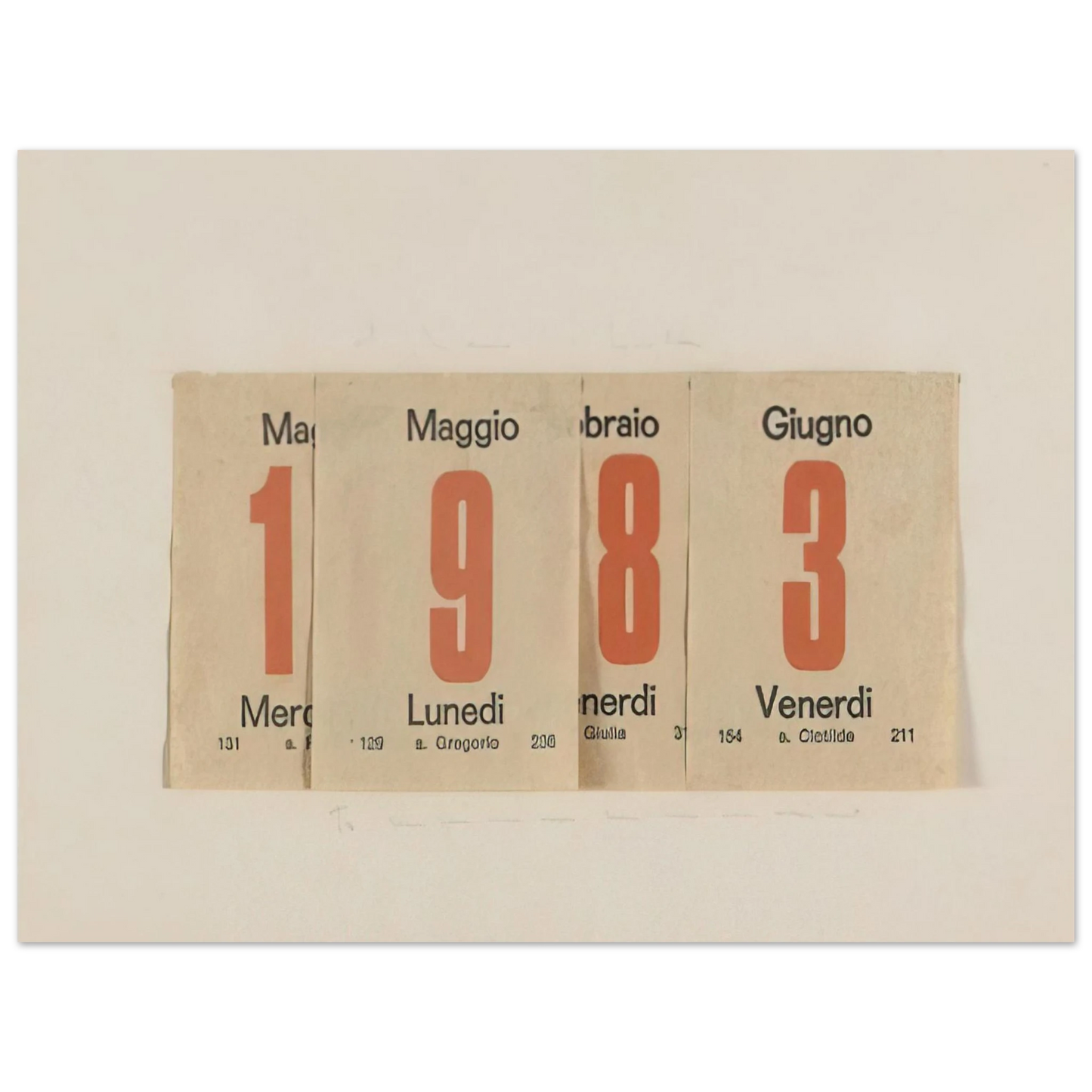
Alighiero Boetti - 1983 75x100 cm / 30x40inches Fine Art Poster
Alighiero Boetti - 1983 75x100 cm / 30x40inches Fine Art Poster
Couldn't load pickup availability
A Conceptual Masterpiece: Alighiero Boetti, 1983
Experience the profound legacy of Alighiero Boetti with this exquisite fine art print from 1983. A central figure of the Italian Arte Povera movement, Boetti spent the early 1980s refining his explorations of ordine e disordine (order and disorder). This specific 75x100 cm (30x40 inches) reproduction captures the intellectual depth and vibrant aesthetic that defined his mature career, offering a sophisticated window into his systemic approach to art and global connectivity.
Museum-Quality Craftsmanship for the Discerning Collector
At RedKalion, we believe that conceptual brilliance deserves an equally brilliant medium. This museum-quality reproduction is printed on Master's Edition archival paper. The natural white, uncoated finish provides a luxurious matte texture that eliminates glare, allowing the intricate details of Boetti's work to resonate in any lighting. Every print is curated to ensure it honors the artist's original vision while meeting the rigorous standards of modern gallery displays.
- Weight & Substance: A heavy-weight 250 gsm (110 lb) paper provides a premium, substantial feel.
- Archival Integrity: Acid-free (pH above 7) composition prevents yellowing and degradation over time.
- Precision Detail: A thickness of 0.29 mm (11.4 mils) ensures a robust, flat surface for perfect framing.
- Ethical Sourcing: Printed on FSC-certified paper, supporting responsible forest management.
Elevate Your Space with RedKalion
This 1983 Boetti piece is more than a poster; it is a statement of intellectual curiosity. By choosing a RedKalion archival masterpiece, you are investing in a durable piece of art history. Our prints are produced and shipped on demand with no minimum orders, ensuring that each piece is handled with the precision and care that museum-grade art requires. Transform your interior with a work that balances the rigors of conceptualism with the timeless beauty of Italian contemporary art.
Discover Unlimited Art Possibilities
At RedKalion, you can find virtually any artwork from any artist, available in a wide range of sizes to perfectly match your space.
If you didn’t find what you’re looking for, contact us at support@redkalion.com . We will source any artwork and produce it in any size and format you need, including art prints, posters, canvas, framed pieces, framed canvas, and more.
For dedicated art enthusiasts, we also offer handcrafted replicas of any artwork, carefully painted by highly skilled artists using traditional techniques.
For custom requests, contact us at support@redkalion.com .
What defines the paper quality of the Alighiero Boetti 1983 print?
This print uses Master's Edition archival paper. It is a museum-quality, natural white, uncoated paper with a luxurious matte finish, ensuring every detail of Boetti’s conceptual vision is preserved with clarity and depth.
How does the archival quality prevent yellowing?
The paper is acid-free with a pH rating above 7. This chemical stability prevents the paper from yellowing or deteriorating, ensuring your Alighiero Boetti reproduction remains as vibrant as the day it was printed.
Is the materials used for this fine art poster eco-friendly?
Yes, we prioritize sustainability. The paper used for this 1983 Boetti reproduction is FSC-certified, meaning it is sourced from responsibly managed forests that provide environmental, social, and economic benefits.
What is the weight and thickness of the Alighiero Boetti print?
This premium print is produced on 250 gsm (110 lb) paper with a thickness of 0.29 mm (11.4 mils). This heavy-weight construction provides a substantial, professional feel suitable for high-end framing.
How will my RedKalion fine art poster be shipped?
Each Alighiero Boetti print is fulfilled on demand with no minimum order requirements. It is carefully packaged to ensure it arrives at your door in pristine condition, ready to elevate your collection.
What characterizes Alighiero Boetti’s artistic output in 1983?
By 1983, Boetti was deeply engaged in his "Tutto" and "Mappa" series. His work explored the tension between the individual and the collective, utilizing intricate patterns to represent global connectivity and conceptual order.
What was Alighiero Boetti’s role in the Arte Povera movement?
As a central figure in Arte Povera, Boetti moved beyond traditional media to embrace conceptualism. His work questions the nature of time and authorship, making his 1983 pieces essential for modern art history collections.