RedKalion
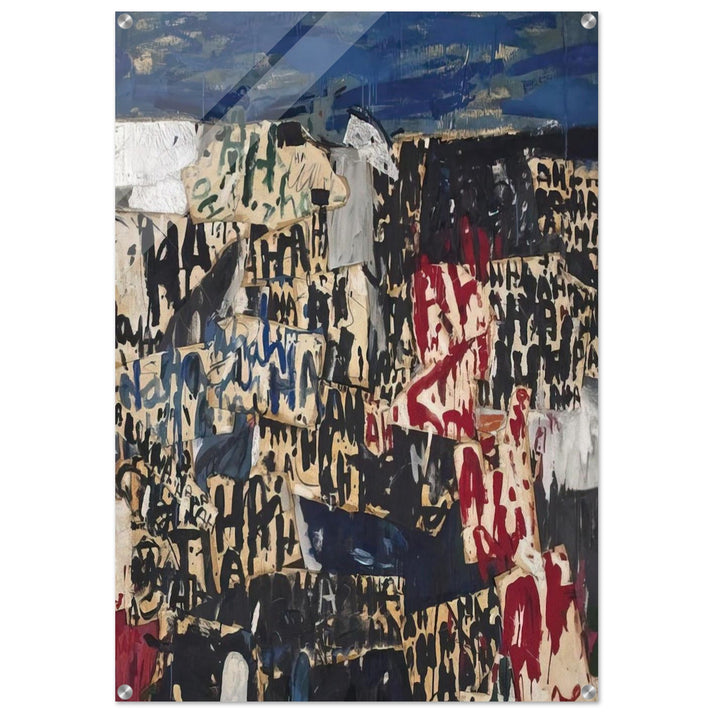
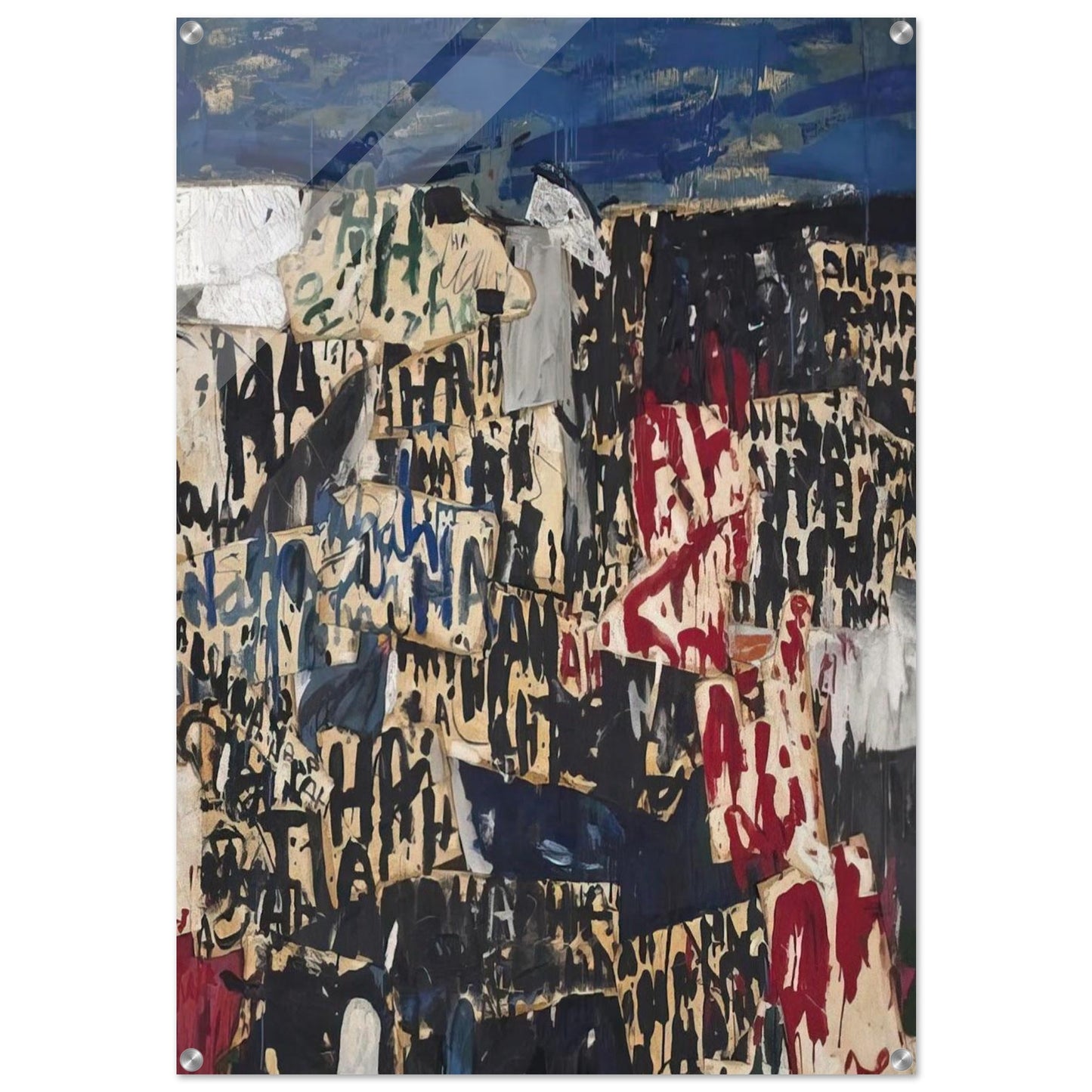
Allan Kaprow on the Legacy of Jackson Pollock - Allan Kaprow Acrylic Print - 70x100 cm / 28x40″ inches
Allan Kaprow on the Legacy of Jackson Pollock - Allan Kaprow Acrylic Print - 70x100 cm / 28x40″ inches
Couldn't load pickup availability
The Convergence of Action and Environment: Allan Kaprow on the Legacy of Jackson Pollock
Experience a pivotal moment in art history with our premium Allan Kaprow Acrylic Print. This artwork honors Kaprow's seminal 1958 essay, 'The Legacy of Jackson Pollock,' which redefined the boundaries of the canvas. Kaprow famously argued that Pollock's action painting liberated artists from the confines of the frame, leading directly to the birth of 'Happenings' and performance art. This museum-quality reproduction captures the intellectual and creative energy of a transition that changed contemporary art forever.
Crafted for the discerning collector, this fine art print is rendered on high-definition 4mm (0.15") acrylic. The material offers a sleek, vibrant finish that enhances depth and color luminosity, providing a modern alternative to traditional glass. Its transparent properties ensure that every detail of the work is presented with crystalline clarity, while the durable construction guarantees that this piece remains a centerpiece in your collection for decades.
- Material: 4mm (0.15") high-grade acrylic for a sleek, shatter-resistant finish.
- Modern Design: Sophisticated straight-cut corners and transparent backgrounds optimized for white-wall presentation.
- Ready to Hang: Professional hanging kit included, featuring four pre-drilled holes (14mm from the edge) and premium 15mm screw heads.
- Archival Quality: UV-resistant printing ensures long-term color stability and archival longevity.
At RedKalion, we curate more than just images; we offer artifacts of cultural significance. By choosing this Allan Kaprow reproduction, you are not merely decorating a room—you are elevating your space with an archival masterpiece that endures, bridging the gap between historical scholarship and contemporary interior design.
Discover Unlimited Art Possibilities
At RedKalion, you can find virtually any artwork from any artist, available in a wide range of sizes to perfectly match your space.
If you didn’t find what you’re looking for, contact us at support@redkalion.com . We will source any artwork and produce it in any size and format you need, including art prints, posters, canvas, framed pieces, framed canvas, and more.
For dedicated art enthusiasts, we also offer handcrafted replicas of any artwork, carefully painted by highly skilled artists using traditional techniques.
For custom requests, contact us at support@redkalion.com .
What makes the acrylic print material unique?
Our 4mm (0.15") acrylic provides a vibrant, high-gloss finish that adds depth and luminosity to fine art prints. It is more durable than glass and offers superior color protection.
Is the hanging hardware included with the print?
Yes, each Allan Kaprow acrylic print includes a professional hanging kit with screws and pre-drilled holes at each corner for a secure, modern installation.
How is the artwork protected during shipping?
We use specialized protective packaging to ensure your museum-quality reproduction arrives in pristine condition. The acrylic is scratch-resistant and handled with extreme care during transit.
Will the colors fade over time?
No, we utilize archival-grade UV-resistant inks. This ensures your reproduction maintains its original vibrancy and historical accuracy for many years without yellowing or fading.
Can this print be displayed in high-humidity areas?
The durable acrylic material is highly resistant to moisture, making it an excellent choice for various environments, though direct exposure to extreme elements should be avoided.
What is the significance of Allan Kaprow's essay on Jackson Pollock?
Kaprow's 1958 essay 'The Legacy of Jackson Pollock' is a foundational text in art history, suggesting that Pollock's technique paved the way for performance art and Happenings.
Who was Allan Kaprow?
Allan Kaprow was a pioneer of the 'Happening,' an American painter, and a theorist who shifted the art world's focus from static objects to immersive, participatory environments.