RedKalion
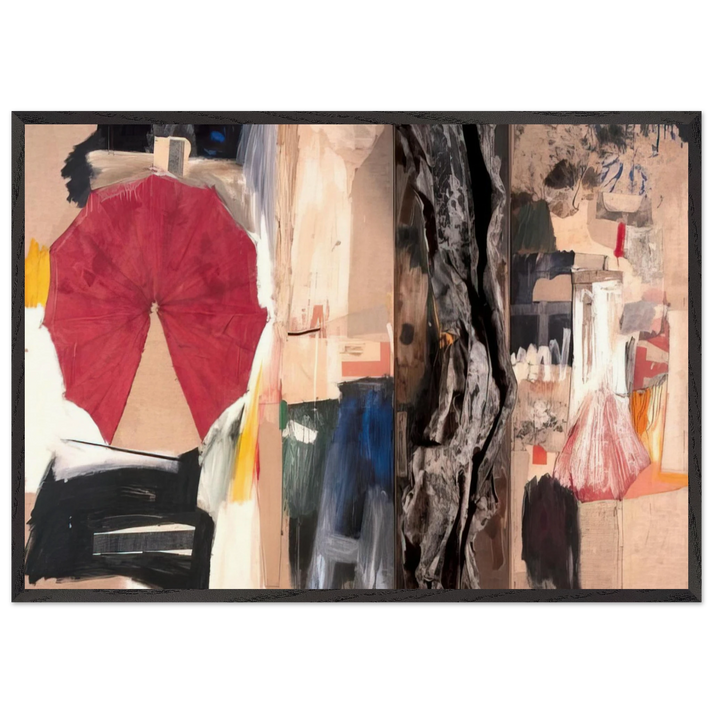
ALLEGORY 1960 - Robert Rauschenberg 70x100 cm / 28x40 inches Framed Art Print – Black Wooden Frame
ALLEGORY 1960 - Robert Rauschenberg 70x100 cm / 28x40 inches Framed Art Print – Black Wooden Frame
Couldn't load pickup availability
Robert Rauschenberg's Allegory (1960): A Neo-Dada Masterpiece
Elevate your space with an archival masterpiece that endures. Robert Rauschenberg’s Allegory (1960) stands as a pivotal example of the artist's 'Combines' phase, a period where he famously bridged the gap between Abstract Expressionism and the burgeoning Pop Art movement. This fine art print captures the raw, kinetic energy of the original work, meticulously reproducing the layered textures and found-object aesthetic that defined Rauschenberg’s rebellion against traditional canvas boundaries.
As a premier curator of world-class reproductions, RedKalion presents this museum-quality reproduction with unwavering attention to detail. The 1960 Allegory is not merely a visual display; it is a historical dialogue. Rauschenberg utilized materials ranging from textiles to metal, inviting the viewer to find meaning in the mundane. Our reproduction honors this legacy through high-fidelity printing on heavy-duty, archival museum-quality paper.
Technical Excellence & Material Integrity
To ensure this 70x100 cm (28x40 inches) framed art print maintains its vibrancy for generations, we utilize only the finest materials:
- Museum-Quality Paper: Printed on 250 gsm (110 lb) natural white, matte, and uncoated paper with a thickness of 0.29 mm (11.4 mils).
- Premium Framing: Encased in a responsibly sourced, FSC-certified black wooden frame (oak and ash), measuring 20mm (0.79") in width and depth for a sophisticated, substantial presence.
- Archival Protection: Features shatterproof, transparent plexiglass to protect the intricate details from UV light and environmental wear.
- Ready-to-Hang: Delivered with a professional hanging kit, allowing for immediate installation upon arrival.
By choosing RedKalion, you are investing in a piece of art history rendered with modern precision. This framed Robert Rauschenberg print serves as a sophisticated focal point for collectors who value both avant-garde heritage and superior craftsmanship.

Discover Unlimited Art Possibilities
At RedKalion, you can find virtually any artwork from any artist, available in a wide range of sizes to perfectly match your space.
If you didn’t find what you’re looking for, contact us at support@redkalion.com . We will source any artwork and produce it in any size and format you need, including art prints, posters, canvas, framed pieces, framed canvas, and more.
For dedicated art enthusiasts, we also offer handcrafted replicas of any artwork, carefully painted by highly skilled artists using traditional techniques.
For custom requests, contact us at support@redkalion.com .
What are the paper specifications for this Rauschenberg print?
We use 250 gsm (110 lb) museum-quality, natural white, matte paper. At 0.29 mm thickness, it offers an archival, uncoated finish that prevents glare and ensures long-lasting visual depth for your fine art print.
Is the black wooden frame sustainably sourced?
Yes, our frames are crafted from responsibly sourced oak and ash wood. They are FSC-certified, ensuring environmental sustainability while providing a robust 20mm wide profile for a premium, gallery-style aesthetic.
How is the artwork protected during shipping and display?
Each print is protected by shatterproof, transparent plexiglass and securely packaged. The frame includes a hanging kit, ensuring the artwork arrives ready-to-hang and remains shielded from dust and physical damage.
Will this archival reproduction fade over time?
No. By utilizing 250 gsm archival-grade paper and acid-free materials, our museum-quality reproductions are designed to resist yellowing and fading, maintaining the integrity of Rauschenberg's colors for decades.
What is included in the 'ready-to-hang' kit?
The package includes a pre-installed hanging system designed for the 70x100 cm frame. This allows you to securely mount your Rauschenberg Allegory print directly to the wall without additional hardware.
What defines Rauschenberg’s 'Combines' style seen in Allegory?
'Combines' are works that hybridize painting and sculpture by incorporating non-traditional materials and found objects. Allegory (1960) showcases this technique, breaking the flat plane of the canvas to integrate life with art.
Why is the 1960 Allegory significant in art history?
Created at the height of the Neo-Dada movement, Allegory represents Rauschenberg’s departure from pure Abstract Expressionism. It paved the way for Pop Art by utilizing everyday textures and challenging the definition of fine art materials.