

RedKalion
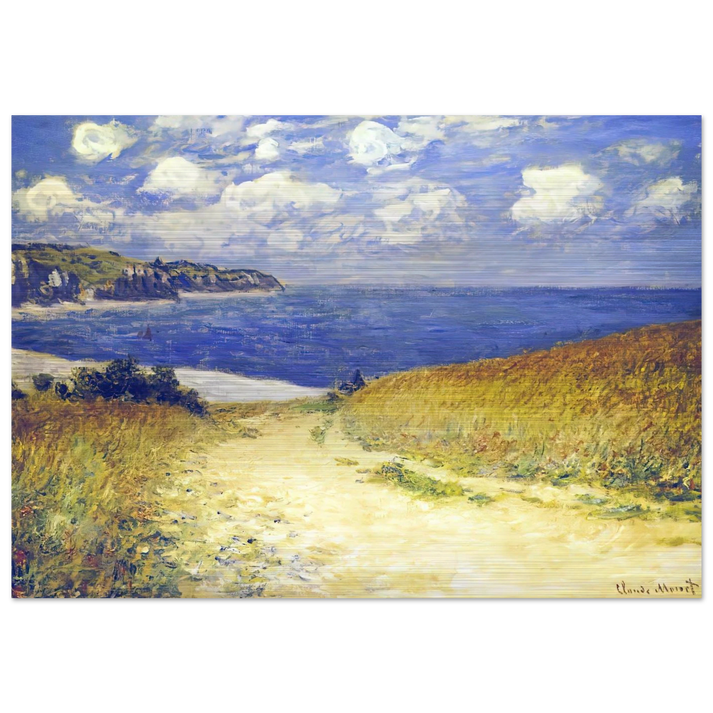
Alley near Pourville - claude monet Brushed Aluminum Print - 70x100 cm / 28x40 inches | claude monet Aluminum Print | claude monet Prints
Alley near Pourville - claude monet Brushed Aluminum Print - 70x100 cm / 28x40 inches | claude monet Aluminum Print | claude monet Prints
Couldn't load pickup availability
Elevate Your Space with Claude Monet’s Impressionist Vision
Experience the timeless allure of Claude Monet’s 'Alley near Pourville' through a medium that bridges the 19th-century Impressionist movement with contemporary industrial design. Painted in 1882 during his extensive stays on the Normandy coast, this piece captures the ephemeral play of light across the landscape. Our museum-quality reproduction on Brushed Aluminum DIBOND® adds a sophisticated, modern texture to Monet’s characteristic brushwork, creating a focal point that evolves with the light in your room.
Museum-Quality Materials and Craftsmanship
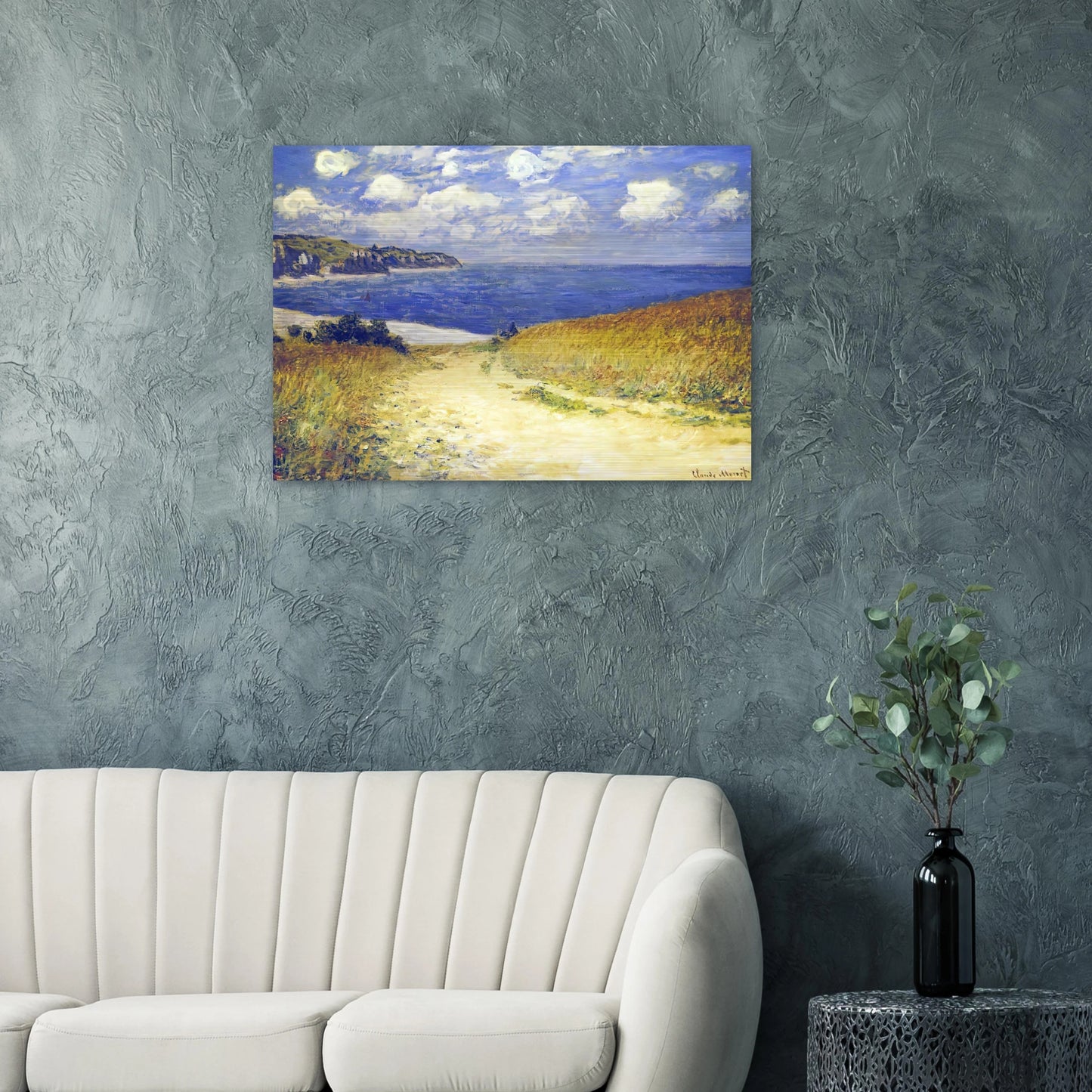
This 70x100 cm (28x40 inches) fine art print is engineered for those who seek gallery-standard durability and aesthetic depth. The 3mm (0.12") aluminum base ensures a rigid, warp-resistant structure, while the horizontal grain of the brushed silver finish interacts dynamically with the environment. Utilizing direct-print technology, we achieve a matte, glare-free finish that allows the intricacies of Monet’s textures to take center stage without distracting reflections.
A Unique Interaction with Light
One of the most striking features of this Claude Monet aluminum print is the treatment of highlights. In traditional paper prints, white areas remain flat; however, on our brushed aluminum surface, unprinted white sections reveal the raw, metallic silver effect of the metal itself. This echoes Monet's own obsession with luminosity, making the 'Alley near Pourville' appear as if it is being illuminated from within as you move across the room.
- Archival Durability: The aluminum DIBOND® structure is built to endure, maintaining its vibrancy for decades.
- Sophisticated Finish: The matte surface is ideal for bright environments, effectively eliminating glare.
- Historical Context: Pourville-sur-Mer was a sanctuary for Monet, allowing him to master the depiction of coastal atmosphere and rural paths.
- Ready to Exhibit: Each piece arrives with a specialized hanging kit tailored to your location, ensuring a seamless installation.
By choosing a RedKalion reproduction, you are not merely purchasing a print; you are investing in a piece of curated art history, produced with the technical precision required for the most discerning collections. Elevate your interior with an archival masterpiece that endures.


Discover Unlimited Art Possibilities
At RedKalion, you can find virtually any artwork from any artist, available in a wide range of sizes to perfectly match your space.
If you didn’t find what you’re looking for, contact us at support@redkalion.com . We will source any artwork and produce it in any size and format you need, including art prints, posters, canvas, framed pieces, framed canvas, and more.
For dedicated art enthusiasts, we also offer handcrafted replicas of any artwork, carefully painted by highly skilled artists using traditional techniques.
For custom requests, contact us at support@redkalion.com .
What makes the brushed aluminum finish unique for this Monet print?
The brushed silver Aluminum DIBOND® features a horizontal grain. Unlike paper, unprinted white areas reveal a metallic silver effect, creating a dynamic, shimmering quality that complements Claude Monet's focus on light and atmosphere.
What are the dimensions and thickness of the Claude Monet Alley near Pourville print?
This specific fine art reproduction measures 70x100 cm (28x40 inches) and is printed on a durable 3mm (0.12") aluminum DIBOND® panel for a rigid, museum-quality feel.
Is the print glossy or matte?
The print features a matte, glare-free finish. This makes it ideal for rooms with high ambient light or large windows, ensuring the artwork is visible from every angle without distracting reflections.
How do I hang my museum-quality aluminum reproduction?
Every RedKalion print includes a specialized hanging kit. The specific type of kit varies depending on the fulfillment country to ensure the most secure and aesthetic mounting for your region.
What is the shipping and handling process for RedKalion fine art?
We use archival-grade packaging to protect the aluminum panel during transit. Each order is tracked and handled with the care required for premium, museum-standard reproductions to ensure it arrives in pristine condition.
When did Claude Monet paint "Alley near Pourville"?
Monet painted 'Alley near Pourville' in 1882. This was a prolific period where he explored the Normandy coast, focusing on the changing seasons and the unique light of the French seaside.
Why did Monet choose Pourville as a subject for his Impressionist works?
Pourville offered Monet a diverse range of natural subjects, from dramatic cliffs to quiet rural paths. He was drawn to the area's specific coastal light, which allowed him to refine his Impressionist style.