RedKalion
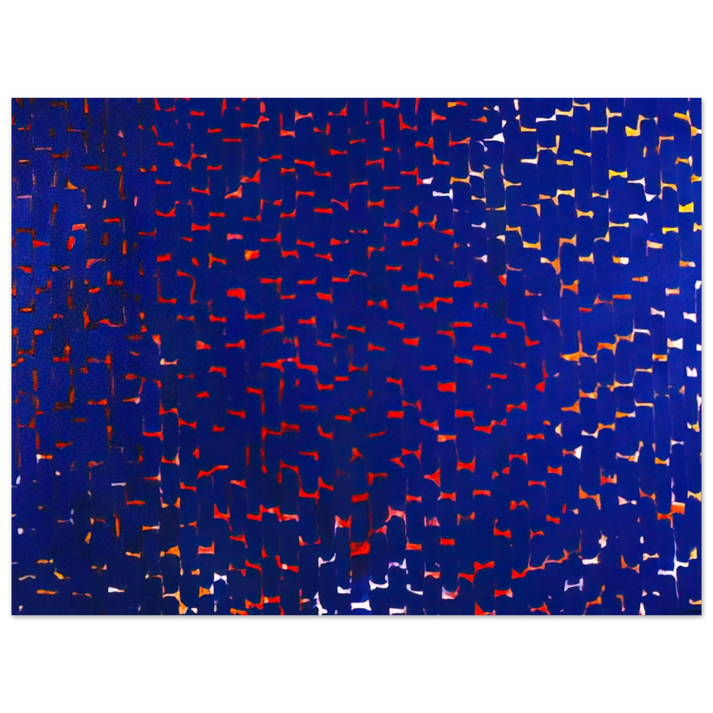
Alma Woodsey Thomas - EVENING GLOW 1972 75x100 cm / 30x40inches Fine Art Poster
Alma Woodsey Thomas - EVENING GLOW 1972 75x100 cm / 30x40inches Fine Art Poster
Couldn't load pickup availability
The Radiance of Alma Woodsey Thomas’s "Evening Glow" (1972)
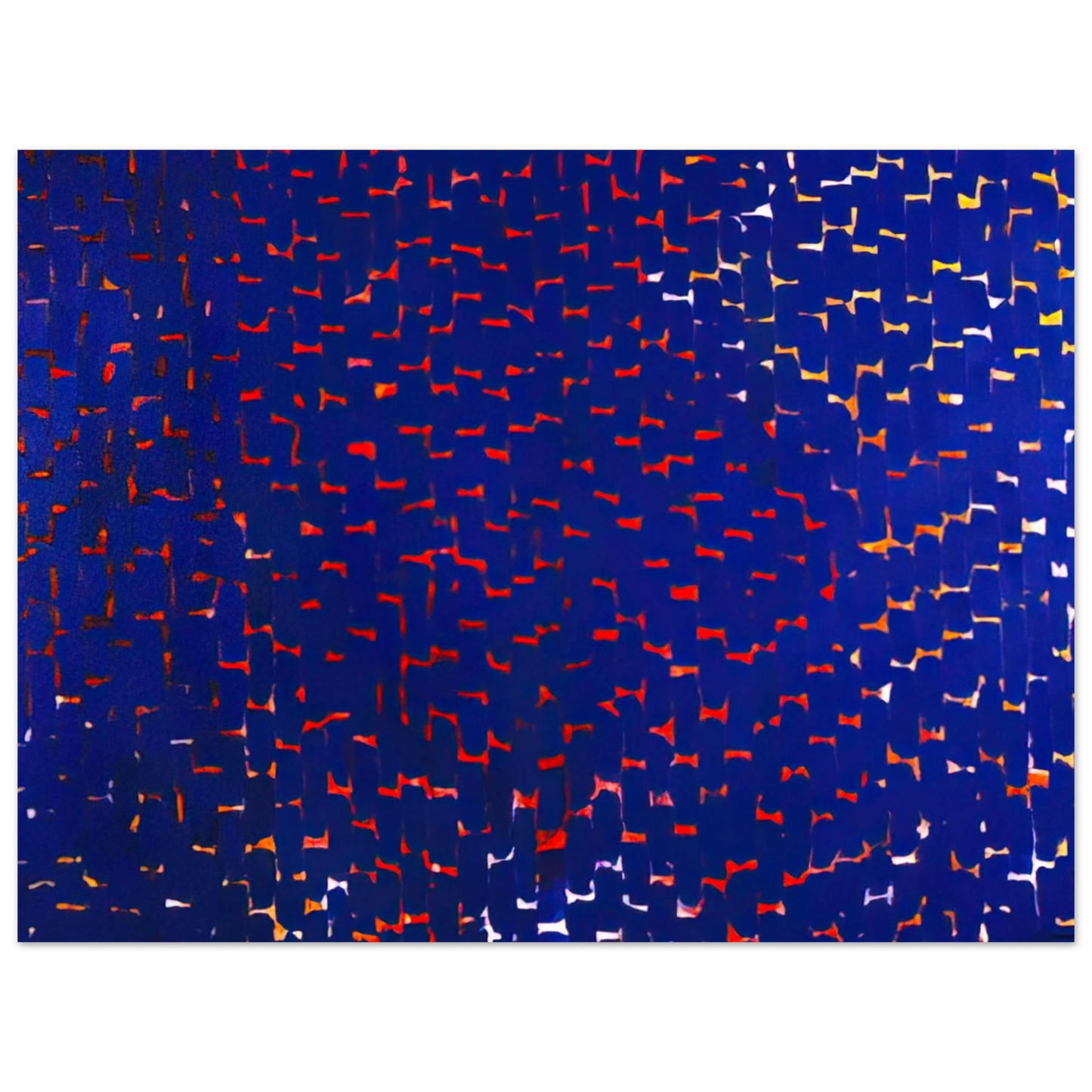
Experience the vibrant mastery of Alma Woodsey Thomas with this museum-quality reproduction of Evening Glow (1972). A leading figure of the Washington Color School, Thomas was known for her rhythmic, mosaic-like brushstrokes that transformed natural observations into profound abstract expressions. In Evening Glow, she captures the ephemeral warmth of twilight through a complex arrangement of vertical tiles, creating a pulsating energy that defines her late-career brilliance.
RedKalion is proud to offer this iconic work as a fine art print that honors the artist's legacy. Unlike mass-produced posters, our prints are crafted to satisfy the most discerning collectors, ensuring that the brilliant oranges, deep reds, and subtle structural gaps of the original work are preserved with exacting precision.
Archival Excellence for Your Collection
At RedKalion, we believe that world-class art deserves world-class materials. This reproduction is meticulously printed on Master's Edition archival paper, chosen for its ability to hold the rich saturation of Thomas's palette. The physical specifications of this piece include:
- Paper Quality: 250 gsm (110 lb) museum-grade, natural white (off-white) paper.
- Finish: A luxurious matte, uncoated finish that eliminates glare while providing a sophisticated texture.
- Longevity: Acid-free (pH above 7) composition to prevent yellowing and ensure the artwork endures for generations.
- Sustainability: Printed on FSC-certified paper, reflecting a commitment to environmental responsibility.
Whether you are looking to elevate a modern living space or add historical depth to an office, this 75x100 cm (30x40 inches) masterpiece serves as a testament to the enduring power of color and light. This is not merely a poster; it is an archival investment in beauty.
Discover Unlimited Art Possibilities
At RedKalion, you can find virtually any artwork from any artist, available in a wide range of sizes to perfectly match your space.
If you didn’t find what you’re looking for, contact us at support@redkalion.com . We will source any artwork and produce it in any size and format you need, including art prints, posters, canvas, framed pieces, framed canvas, and more.
For dedicated art enthusiasts, we also offer handcrafted replicas of any artwork, carefully painted by highly skilled artists using traditional techniques.
For custom requests, contact us at support@redkalion.com .
What paper quality is used for this Alma Thomas print?
RedKalion uses Master's Edition archival paper. At 250 gsm, this museum-quality, matte, and acid-free paper ensures a luxurious texture and exceptional color depth for your Alma Thomas fine art print.
Will the colors of "Evening Glow" fade over time?
Our archival-grade paper is acid-free with a pH above 7, preventing yellowing and degradation. This ensures "Evening Glow" remains vibrant and pristine for generations in your collection.
Is the paper used for this fine art poster sustainable?
Yes, we use FSC-certified paper. This commitment to sustainability means your Alma Thomas reproduction is produced with responsibly sourced materials that respect global forest standards.
What are the dimensions and thickness of this artwork?
This 75x100 cm (30x40 inches) print features a thickness of 0.29 mm (11.4 mils). The 250 gsm weight provides a substantial, premium feel characteristic of high-end gallery posters.
How does RedKalion handle shipping and orders?
We offer on-demand printing with no minimum order requirements. Each print is carefully fulfilled and shipped to ensure it arrives in perfect condition at your doorstep.
What is the historical context of "Evening Glow" (1972)?
Created late in her career, "Evening Glow" exemplifies Alma Thomas’s mastery of the Washington Color School style. It uses rhythmic, mosaic-like brushstrokes to evoke the shimmering effects of light in nature.
Why is Alma Woodsey Thomas’s technique so significant?
Thomas developed a unique style of "daubs" that created vibrant patterns. Her work represents a bridge between Pointillism and Abstract Expressionism, making her a pivotal figure in 20th-century American art.