RedKalion
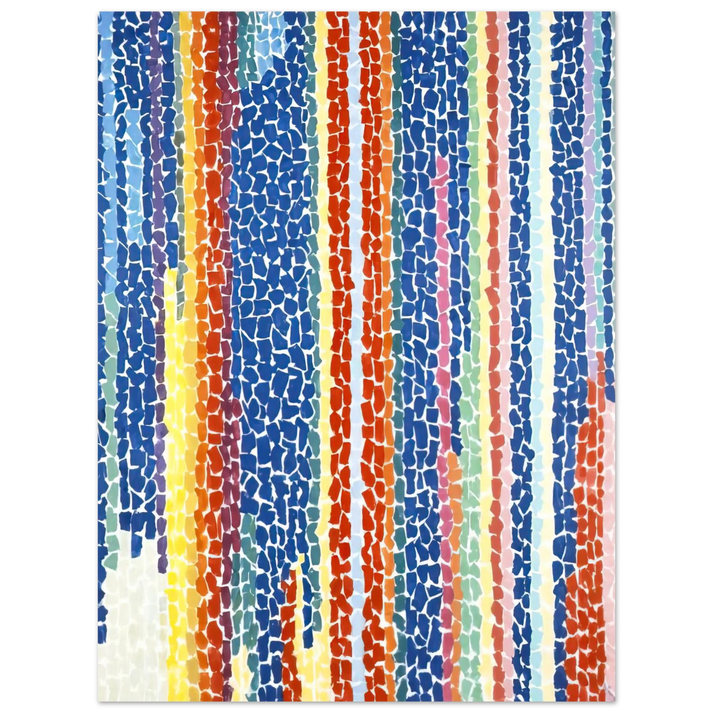
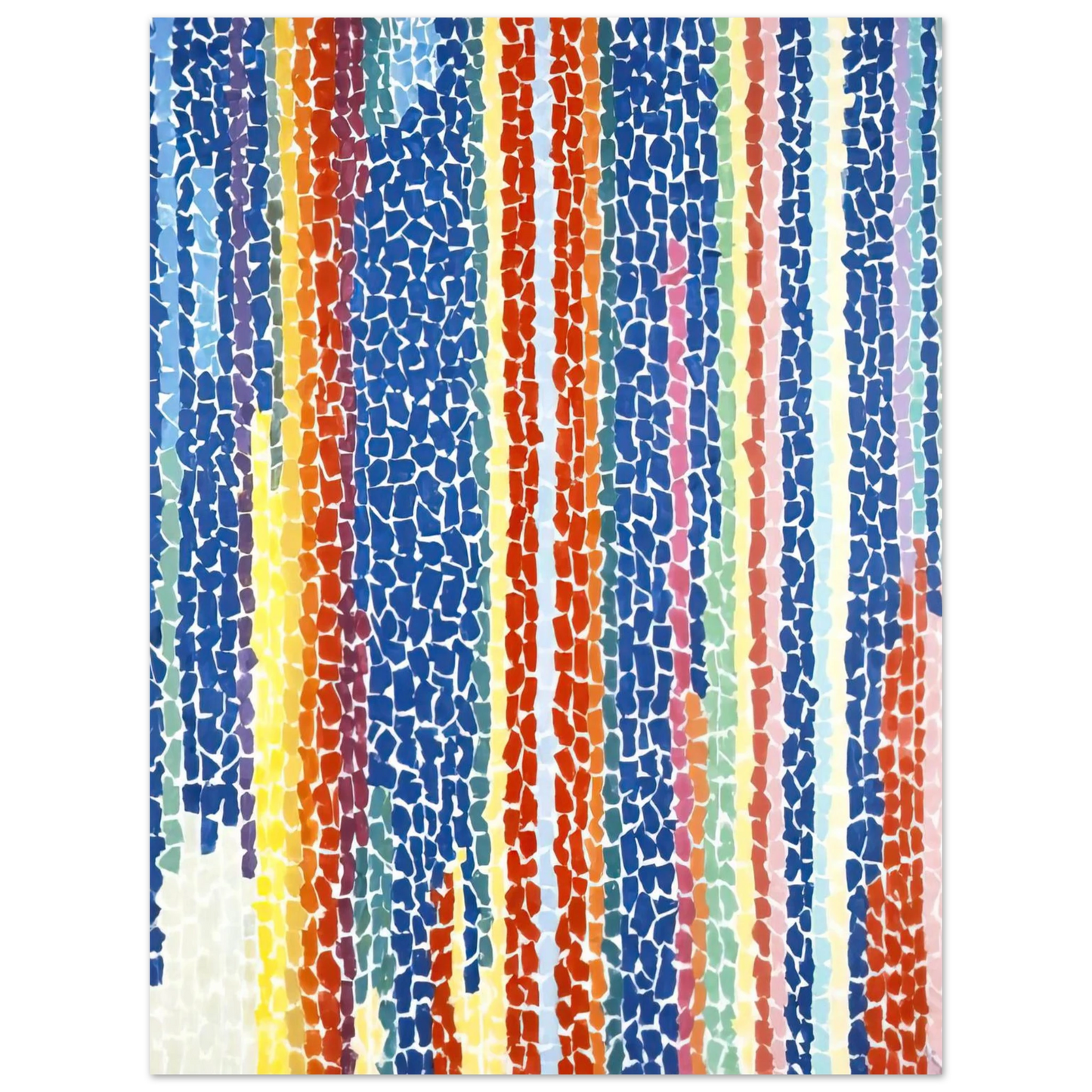
Alma Woodsey Thomas - IRIS TULIPS JONQUILS AND CROCUSES 1969 75x100 cm / 30x40inches Fine Art Poster
Alma Woodsey Thomas - IRIS TULIPS JONQUILS AND CROCUSES 1969 75x100 cm / 30x40inches Fine Art Poster
Couldn't load pickup availability
A Vivid Celebration of Spring: Alma Woodsey Thomas's 'Iris, Tulips, Jonquils and Crocuses'
Experience the rhythmic beauty of Alma Woodsey Thomas’s 1969 masterpiece, 'Iris, Tulips, Jonquils and Crocuses'. As a pioneering figure of the Washington Color School, Thomas transformed her observations of nature into vibrant, mosaic-like abstractions. This specific work, created during the height of her career, captures the exuberant awakening of a spring garden through her signature rhythmic dabs of paint—a technique often referred to as 'Alma’s Stripes.'
This museum-quality reproduction honors the artist's legacy by utilizing the finest materials available. At RedKalion, we believe that world-class art deserves an equally superior medium. Our fine art print is rendered on Master's Edition archival paper, ensuring that every hue of tulip-red and jonquil-yellow is captured with breathtaking accuracy and depth.
The RedKalion Standard: Museum-Grade Excellence
- Archival Longevity: Our paper is acid-free with a pH above 7, meticulously engineered to prevent yellowing or degradation over decades.
- Premium Texture: The matte, uncoated natural white finish provides a luxurious, non-reflective surface that invites the viewer to appreciate the texture of Thomas's brushwork.
- Substantial Weight: Printed on 250 gsm (110 lb) paper with a thickness of 0.29 mm (11.4 mils), this piece offers the structural integrity of a gallery original.
- Sustainable Artistry: We utilize FSC-certified paper, ensuring your investment in beauty also supports responsible forest management.
By choosing this archival-grade poster, you are not simply decorating a wall; you are preserving a pivotal moment in American Art History. Elevate your space with a masterpiece that endures through time, meticulously curated by RedKalion.
Discover Unlimited Art Possibilities
At RedKalion, you can find virtually any artwork from any artist, available in a wide range of sizes to perfectly match your space.
If you didn’t find what you’re looking for, contact us at support@redkalion.com . We will source any artwork and produce it in any size and format you need, including art prints, posters, canvas, framed pieces, framed canvas, and more.
For dedicated art enthusiasts, we also offer handcrafted replicas of any artwork, carefully painted by highly skilled artists using traditional techniques.
For custom requests, contact us at support@redkalion.com .
What are the physical specifications of this Alma Woodsey Thomas print?
This museum-quality print is produced on 250 gsm (110 lb) Master's Edition archival paper with a 0.29 mm thickness. It features a matte, natural white finish for a professional, luxurious texture.
How does RedKalion ensure the longevity of the reproduction?
We use acid-free paper with a pH value above 7. This archival-grade material prevents yellowing and preserves the vibrant colors of Thomas's 1969 palette for generations.
Is the paper used for this fine art poster sustainable?
Yes, we use FSC-certified paper or equivalent certifications depending on regional availability. This ensures that your fine art print supports sustainable and responsible forest management.
What is the shipping and fulfillment process for this artwork?
Every order is printed and shipped on demand with no minimum requirements. This reduces waste and ensures your Alma Woodsey Thomas print arrives in pristine, gallery-ready condition.
Does the print include a frame or a border?
Our fine art posters are shipped as high-quality prints without frames. The matte, uncoated finish is specifically designed to look stunning when mounted behind glass or displayed in a custom frame.
What inspired Alma Woodsey Thomas to paint Iris, Tulips, Jonquils and Crocuses?
Thomas was deeply inspired by the changing seasons in her Washington D.C. garden. This 1969 piece reflects her 'Earth' series, focusing on the patterns of light and color found in nature.
What is the artistic significance of the 'Alma’s Stripes' technique?
This technique involves rhythmic, broken strokes of color that create a sense of movement and energy. It distinguishes her work within the Washington Color School and Abstract Expressionism movements.